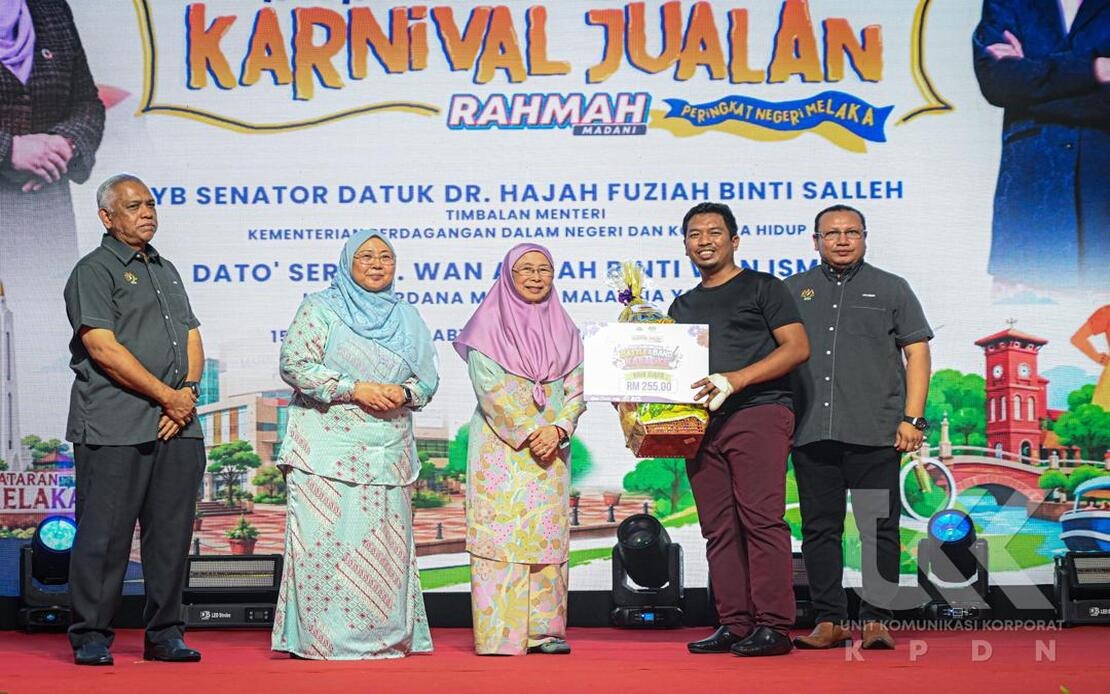
The government's Menu RAHMAH initiative is gaining significant traction in the private sector, with 3,210 food and beverage premises across the country now participating in the subsidised meal scheme. According to Domestic Trade and Cost of Living Deputy Minister Datuk Dr Fuziah Salleh, this substantial enrollment demonstrates genuine commitment from food industry operators to alleviate Malaysia's cost-of-living pressures alongside government efforts.
The programme's appeal extends across diverse food service segments. Food stalls and food court operators account for the largest share at 1,016 registrations, with substantial participation also coming from restaurants, hawker stalls, mobile food trucks, and bazaar vendors. This cross-sector engagement indicates the scheme's adaptability to different business models and venue types, suggesting the initiative resonates with operators regardless of their operational scale or setup.
Deputy Minister Fuziah emphasised that Menu RAHMAH represents a sustained government commitment rather than a temporary relief measure. This positioning is significant for both consumers and businesses, as it signals long-term policy stability that allows operators to incorporate subsidised offerings into their permanent business structures and marketing strategies. For Malaysian families navigating inflationary pressures, the permanence of this initiative offers assurance that affordable dining options will remain available.
The government has strategically prioritised high-traffic locations in the rollout, particularly Rest and Service Areas along major highways where consumers from various income levels congregate. This geographic targeting ensures that travellers, commuters, and rural residents who may have limited access to affordable food options in their immediate areas can benefit from the scheme. Such placement decisions reflect careful analysis of consumer mobility patterns and demand hotspots.
Beyond Menu RAHMAH itself, the government has deployed the MADANI RAHMAH Sales Programme as a complementary mechanism to drive down everyday costs. Through July 2026, this programme had been activated 19,322 times across the nation, surpassing the annual target of 17,500 implementations and generating nearly 25.5 million transactions. The scale of this uptake underscores substantial consumer demand for subsidised essential goods and suggests the programmes are reaching meaningful segments of the population.
The MADANI RAHMAH Sales Programme focuses on basic necessities where household budgets face greatest pressure. By offering ten to thirty percent discounts on items including chicken, fish, eggs, cooking oil, flour, rice, vegetables, fruits, and household products compared with prevailing market rates, the initiative addresses tangible inflation points that directly affect family meal planning and routine expenses. For Malaysian consumers accustomed to volatile prices for basic foodstuffs, these predictable savings provide real financial relief.
Implementation has been deliberately distributed across 600 state constituencies and 40 zones in the Federal Territories, reflecting an effort to ensure equitable geographic access rather than concentrating benefits in urban centres. This widespread deployment acknowledges that cost-of-living challenges transcend geographical boundaries, affecting residents in both metropolitan and provincial areas. The strategy suggests the government recognises that regional economic disparities require tailored distribution approaches.
To boost awareness and participation, the government has launched the 'Jom Cari Menu RAHMAH' promotional campaign, actively encouraging food traders' associations and additional industry players to expand the initiative's reach. This engagement approach leverages private sector networks and trusted community relationships to inform consumers about participating outlets and available menu options. Such partnerships also facilitate feedback loops that allow the government to refine programme delivery based on operator and consumer experiences.
The KPDN Mini Carnival held in Melaka exemplified the multi-faceted approach to publicising these initiatives. Beyond showcasing Menu RAHMAH and MADANI RAHMAH Sales Programme offerings, the carnival incorporated business matching sessions, exhibitions, advisory services, and entertainment activities including an esports tournament in partnership with Todak. Nearly 3,000 visitors attended on the opening day alone, indicating substantial public interest in understanding programme mechanics and accessing participating vendors.
The carnival also featured 27 traders offering reasonably priced goods, creating a temporary marketplace where consumers could experience the savings available through official channels. By bundling government initiatives with entertainment and community engagement activities, the event transformed a cost-of-living programme presentation into an accessible, attractive public experience. This experiential approach may prove more effective at driving sustained participation than traditional awareness campaigns.
These overlapping initiatives reflect a broader policy framework addressing Malaysia's cost-of-living challenges through both demand-side relief and supply-side incentives. By subsidising meals at participating outlets and offering discounts on essential goods through targeted sales programmes, the government creates multiple touchpoints where consumers encounter affordable alternatives to full-price market purchases. The strategy acknowledges that no single programme can fully resolve cost-of-living pressures, but layered interventions across different consumption categories can collectively provide meaningful household savings.
Looking forward, the continued expansion of Menu RAHMAH depends partly on sustaining food operator participation. The government's emphasis on working with traders' associations and industry bodies suggests recognition that long-term viability requires addressing operator concerns regarding margins, administrative requirements, and demand sustainability. For Malaysian consumers, the challenge lies in translating awareness of these programmes into regular usage patterns that maximise household savings while supporting participating businesses.
The trajectories of both Menu RAHMAH and the MADANI RAHMAH Sales Programme indicate that government cost-of-living interventions can achieve meaningful private sector buy-in when structured as mutually beneficial partnerships. As these programmes mature, their effectiveness in moderating inflation perceptions and improving household financial resilience will become clearer, potentially informing future iterations of similar policy tools across Southeast Asia.

