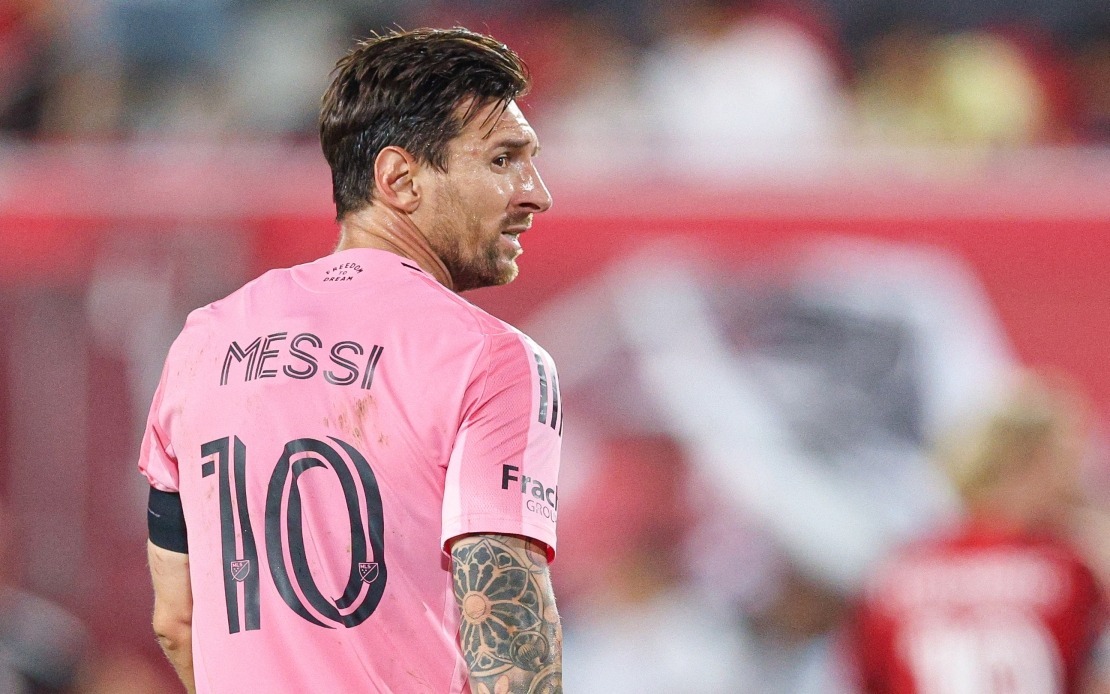
Lionel Messi stepped onto the pitch for Inter Miami on Wednesday in his first match since the passing of his father Jorge, marking an emotional return to competitive football amid uncertainty about his future in the sport. The Argentina captain came on at half-time during his team's 3-2 defeat to Leon in the Leagues Cup group stage finale, ending weeks of speculation about whether grief would prompt him to retire from professional play.
Messi's comeback carried particular poignancy given the circumstances surrounding his absence. He had missed Inter Miami's previous fixture, a 2-1 loss to Monterrey on Saturday, to attend his father's funeral at a cemetery in Perez, a town near his hometown of Rosario in Argentina. The funeral service marked the beginning of a difficult period for the football icon, who had relied on his father's counsel and guidance for virtually his entire career.
Jorge's role in his son's life transcended the typical parent-child relationship. From the age of 14, he served as Lionel's agent, witnessing his transformation from a young talent into one of the greatest players in football history. The elder Messi was present for the defining moment of his son's career when Argentina lifted the 2022 FIFA World Cup in Qatar, a triumph that had eluded Messi throughout his playing days. Just months ago, Jorge encouraged his son to compete in one final World Cup tournament, an request that took on deeper meaning given his declining health.
Messi's emotional uncertainty about his future found expression in a poignant social media statement released in the days following his father's death. In it, he reflected on his father's constant presence throughout his life, asking why Jorge could not hold on just a little longer so they might finish life's journey together. The footballer expressed profound doubt about his ability to continue, suggesting that the passion and purpose that had always driven him to play might have been fundamentally altered by this loss. He questioned whether he possessed the emotional capacity to persist in professional football without his father's steady influence.
The statement resonated globally because it revealed something rarely seen from Messi: raw vulnerability and existential questioning. Throughout his career, the Argentine has been celebrated for his quiet dignity and reserved demeanor, rarely allowing personal struggles to affect his public persona. This departure from that characteristic composure underscored the magnitude of the loss and suggested that retirement was a genuine possibility rather than mere speculation.
However, Messi's appearance on the pitch Wednesday provided a tentative answer to the questions he had posed. While his team's loss to Leon prevented a triumphant return to action, the simple act of taking the field represented a significant statement. His decision to play, made in consultation with coaching staff and presumably guided by personal reflection, indicated that despite the overwhelming grief, the footballer was not prepared to walk away entirely from the game that had defined his existence.
Inter Miami coach Guillermo Hoyos acknowledged the profound nature of what his player was experiencing, drawing on his own experience with paternal loss. Hoyos described the death of a parent as an extraordinary blow that tests a man's fortitude and resilience, noting that the absence creates a void that takes considerable time to fill. He spoke of the guidance that fathers provide and the sense of abandonment that can follow their passing, extending his compassion to both Messi and his family during their period of mourning.
The perspective offered by Leon's coach Javier Gandolfi provided another dimension to the moment. Gandolfi described Messi not merely as the greatest player in football history in terms of technical prowess, but as a human being whose character extended beyond athletic performance. This framing elevated the narrative beyond sport, positioning Messi as someone whose impact transcended the football pitch and reflected a deeper humanity that the football world had long recognized but rarely articulated so directly.
For Malaysian and Southeast Asian observers, Messi's journey carries relevance beyond the football realm. His situation reflects universal themes about grief, family obligation, and the struggle to find purpose after loss—challenges that resonate across cultures. The public nature of his struggle also speaks to the modern phenomenon of celebrities sharing their vulnerabilities, normalizing conversations about mental health and emotional distress that have historically remained private, particularly within traditional sporting cultures.
Messi's cautious return to action also illustrates the complexity of professional obligations during personal tragedy. Unlike most workers who might take extended leave following a parent's death, elite athletes operate within rigid schedules and competitive structures that demand presence and performance. Messi's negotiation of these competing pressures—personal grief versus professional responsibility—offers insight into the unique burdens carried by high-profile athletes operating at the apex of their sport.
The weeks and months ahead will determine whether this Wednesday appearance represents a genuine return or a temporary gesture toward closure. If Messi continues to play, he will do so carrying the weight of unfinished conversations and the absence of the man who guided him since childhood. Should he ultimately retire, the decision will be contextualized by this moment of emotional return, a final testament to the father who asked him to play one more World Cup and whose memory will henceforth accompany every match Messi may yet play.

