Meta faces intensifying scrutiny over whether it deliberately prioritised user engagement over teenage safety, as a 29-state legal coalition presses its case that the social media giant knowingly designed addictive products to harvest children's data. The high-stakes trial, now in its second week as of late August, will determine whether the technology behemoth must fundamentally restructure its business operations or face penalties potentially reaching $200 billion (RM805.46 billion). The case represents one of the most significant regulatory challenges to Meta's operations and carries implications for how technology companies across Southeast Asia and globally balance growth with child protection responsibilities.
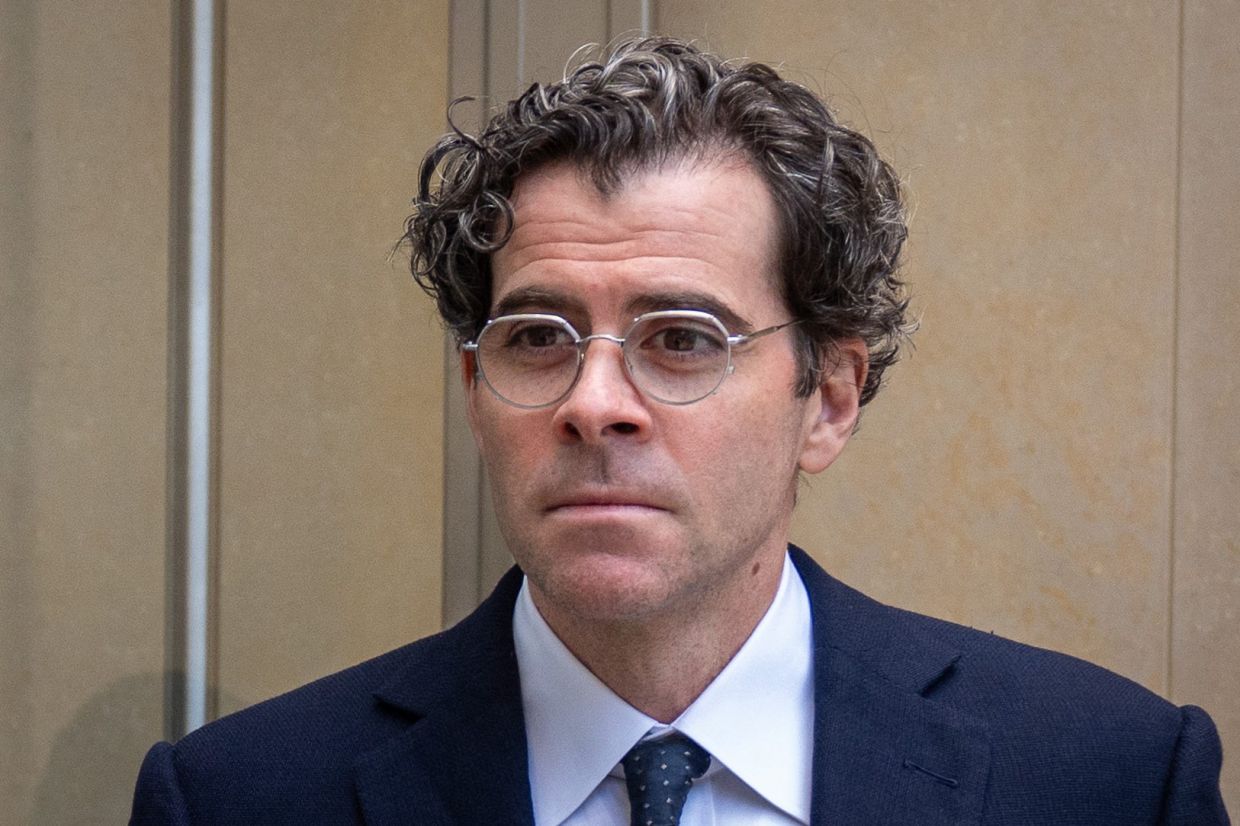
Adam Mosseri, head of Instagram, came under intense cross-examination regarding two safety tools designed to curb excessive teenage usage. Take a Break, introduced in 2021, and Quiet Mode, launched in 2023, were positioned publicly as meaningful interventions to protect young users from compulsive scrolling behaviour. Yet internal Meta documentation revealed to the court painted a starkly different picture. Take a Break achieved an adoption rate of merely 1.8 per cent across Instagram's teenage user base, while Quiet Mode managed only 8.7 per cent uptake. These figures represent a dramatic gap between Meta's public messaging and the actual effectiveness of its protective measures.
During questioning by Jason Slothouber from the Colorado Attorney General's office, Mosseri characterised the low adoption as a temporary condition rather than systemic failure. He suggested that subsequent improvements had substantially elevated usage rates, yet provided no concrete evidence to substantiate this claim. His testimony became particularly contentious when confronted with Meta's own promotional materials. The day before Mosseri testified before Congress in December 2021 about social media's harmful effects on young people, Meta published a blog post authored by Mosseri touting that "over 90 per cent" of teenagers who activated reminders maintained them. However, this statistic deliberately obscured the adoption reality by measuring retention only among the tiny fraction who initially enabled the feature, rather than accounting for the overwhelming majority who never activated it.
The court's presiding judge, Yvonne Gonzalez Rogers, registered visible surprise when Francesco Fogu, Meta's director of product design at Instagram, admitted during testimony that he was unaware of the actual adoption rates despite his senior responsibility for Instagram's product strategy. Fogu acknowledged that Meta possessed internal research demonstrating that adoption figures would remain "considerably lower" unless these safety tools were automatically activated by default. This revelation suggested a troubling disconnect between Meta's public safety commitments and internal product decisions made by senior leadership. The company's acknowledgment that it understood the adoption impediment yet failed to implement the obvious solution raised questions about institutional priorities.
Former employees provided damaging corroboration of the safety tools' ineffectiveness. Arturo Bejar, who directed engineering efforts at Meta, testified that Take a Break functioned as "a feature that's designed to fail," implying intentional architecture that discouraged genuine usage. George Volichenko, a data scientist who contributed to Instagram's safety initiatives during 2022 and 2023, characterised the adoption figures as "very low and disappointing" and likened the features' impact to merely "a drop in the ocean." Volichenko further testified that Instagram's leadership deliberately withheld approval for making Quiet Mode the default setting for younger teenagers, a decision that perpetuated low adoption since users struggled to locate the feature within the application's interface.
The tension between commercial imperatives and safety considerations emerged clearly from Volichenko's testimony. He stated explicitly that enabling safety features by default would have produced a "notable negative impact" on user engagement metrics. Since Meta's revenue model depends fundamentally on advertising sales—with earnings directly correlated to the time users spend within the platform's ecosystem—management prioritised engagement growth over meaningful protective measures. This calculus raises profound questions about whether Meta's business model remains fundamentally incompatible with genuine child protection, a concern that extends beyond Meta to the entire advertising-supported social media industry.
Meta attempted to mitigate these revelations by highlighting that Teen Accounts, a new product tier launched in 2024 incorporating parental oversight and automatically enabled safety features, represented progress addressing previous shortcomings. However, Mosseri could not clarify what percentage of teenage Instagram users had activated parental controls within this new system, suggesting Meta possessed limited visibility into whether this newer initiative performed meaningfully better than its predecessors. The inability to provide basic adoption metrics for newly launched safety infrastructure further undermined Meta's credibility regarding its commitment to teenage protection.
The case's implications extend significantly beyond the United States. Regulators in Malaysia, Singapore, and throughout Southeast Asia scrutinise how international technology platforms handle child safety, with several jurisdictions considering regulatory frameworks modelled on or responding to the trajectory of US enforcement actions. A substantial loss or settlement in this litigation could establish precedents that reshape how technology companies must approach child protection features, potentially forcing Australian and other regional platforms to undergo similar regulatory scrutiny. The precedent established here will likely influence how Meta structures future safety initiatives globally and whether governments demand independent verification of adoption metrics and effectiveness claims.
Mark Zuckerberg, Meta's founder and chief executive, is expected to testify, though the timing remains uncertain. His appearance would represent a critical moment for the case, offering the prosecution an opportunity to question whether inadequate teenage safety outcomes reflect inadvertent product design failures or deliberate corporate strategy prioritising engagement metrics over harm reduction. The upcoming testimony will substantially influence the jury's assessment of Meta's intent and the degree to which the company's documented knowledge of safety tool ineffectiveness represents negligence or calculated decision-making. With the trial anticipated to extend through late September, the legal proceedings will unfold amid broader global conversations about technology regulation, corporate accountability, and whether existing market mechanisms adequately protect vulnerable populations from commercial exploitation.

