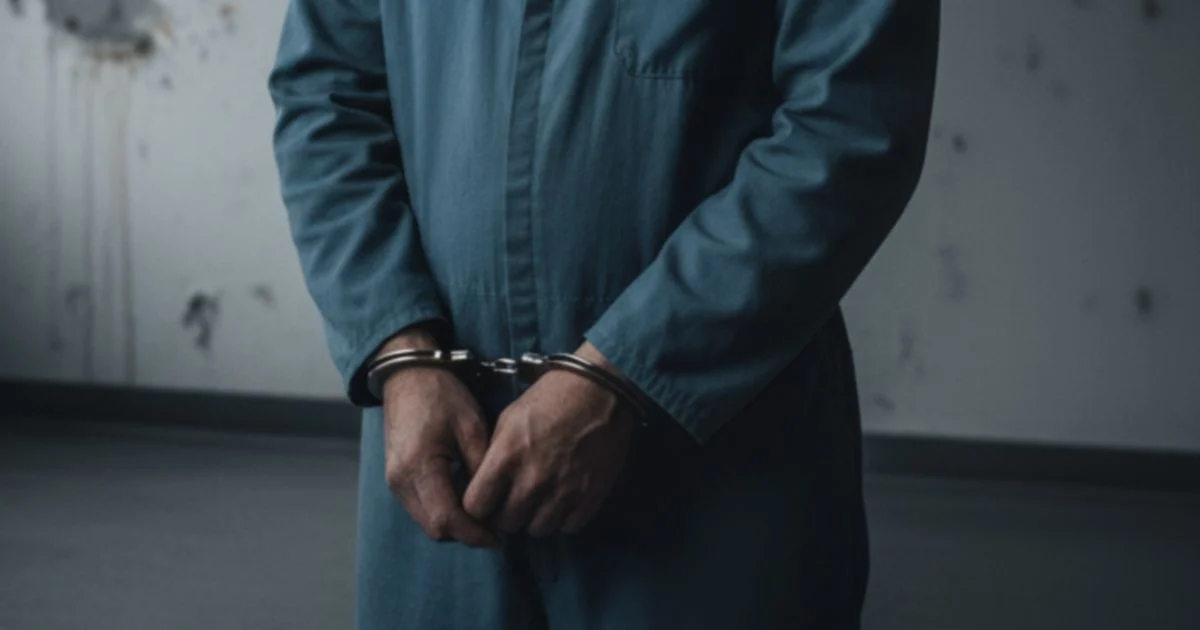
Law enforcement in Mexico City secured the arrest of an individual on Wednesday in connection with the theft of multiple bronze artworks, among them creations by the acclaimed surrealist Leonora Carrington. The sculptures disappeared from the patio of a religious institution located within the capital's historic quarters. The case brings attention to the persistent challenge Mexico faces in protecting its cultural heritage and publicly displayed artwork from theft and vandalism.
The apprehension represents a significant development in what has become an increasingly troubling trend across Mexico—the systematic targeting of valuable artistic pieces from accessible locations. Churches and public spaces have proven vulnerable to organised theft rings operating in the region, who view works by internationally recognised artists as lucrative targets for the black market. The recovery and identification of stolen cultural property has demanded greater coordination between police departments and heritage protection agencies.
Leonora Carrington, a British-born surrealist painter and sculptor who spent much of her working life in Mexico, remains one of the country's most celebrated adopted artists. Her artistic legacy encompasses painting, drawing, sculpture and printmaking, with her distinctive dreamlike imagery and exploration of the fantastical earning her a position among twentieth-century modernism's most influential figures. The bronze works in question represent tangible expressions of her imaginative vision and contribute significantly to Mexico's cultural standing internationally.
The placement of Carrington's bronzes in a church courtyard underscores the deep integration of artistic and spiritual expression within Mexican religious institutions. Many churches throughout the country house contemporary artworks as part of their commitment to supporting living culture and fostering aesthetic appreciation among their congregations and the broader public. However, this openness and accessibility, while culturally valuable, creates security vulnerabilities that criminals have increasingly learned to exploit.
The theft and subsequent investigation highlight the complexity of art crime in Mexico, where stolen works frequently enter networks that span multiple countries and continents. Interpol and various international cultural protection organisations maintain ongoing efforts to track stolen artworks and prevent their sale in legitimate markets. The identification of a suspect in this case may provide investigators with leads into broader networks involved in heritage crime across the region.
Mexico's historic centre has undergone significant revitalisation efforts over recent years, attracting renewed international attention and tourism. This renaissance in cultural interest has unfortunately coincided with increased criminal activity targeting the very artworks and historical monuments that define the area's character. Balancing preservation, public access and security remains an ongoing challenge for municipal authorities and heritage custodians.
The incident raises questions about best practices for displaying valuable artwork in public settings throughout Latin America. Museums and institutions increasingly employ sophisticated surveillance systems, limited access protocols and improved lighting to deter theft, yet open-air installations present fundamentally different security challenges. The balance between maintaining artwork's accessibility to the public—a core principle of democratic cultural participation—and ensuring its physical safety requires creative solutions that many institutions continue to develop.
Carrington's connection to Mexico extended beyond her artistic contributions; she became deeply embedded in the country's cultural consciousness, residing in Mexico from 1940 onwards and drawing inspiration from Mexican indigenous traditions, mythology and landscape. Her choice to remain in Mexico rather than return to Europe reflected her profound commitment to the country and its artistic community. The loss of her works from public spaces diminishes the opportunity for Mexicans and visitors alike to engage directly with her artistic vision.
The arrest demonstrates renewed commitment by Mexican authorities to combat cultural theft. Specialised art crime units within federal and state police forces have gradually expanded their capacity to investigate such cases, though resource constraints remain significant. International cooperation and information sharing between law enforcement agencies have proven essential in tracking stolen works and apprehending suspects involved in the underground art trade.
Moving forward, the case may catalyse discussions about enhanced protective measures for publicly displayed artworks throughout Mexico City and beyond. Religious institutions, cultural organisations and municipal governments may collaborate on improved security protocols while maintaining the accessibility that makes art meaningful to communities. The recovery and investigation process itself contributes valuable intelligence to ongoing efforts to dismantle networks engaged in heritage crime across Mexico and the wider region.

