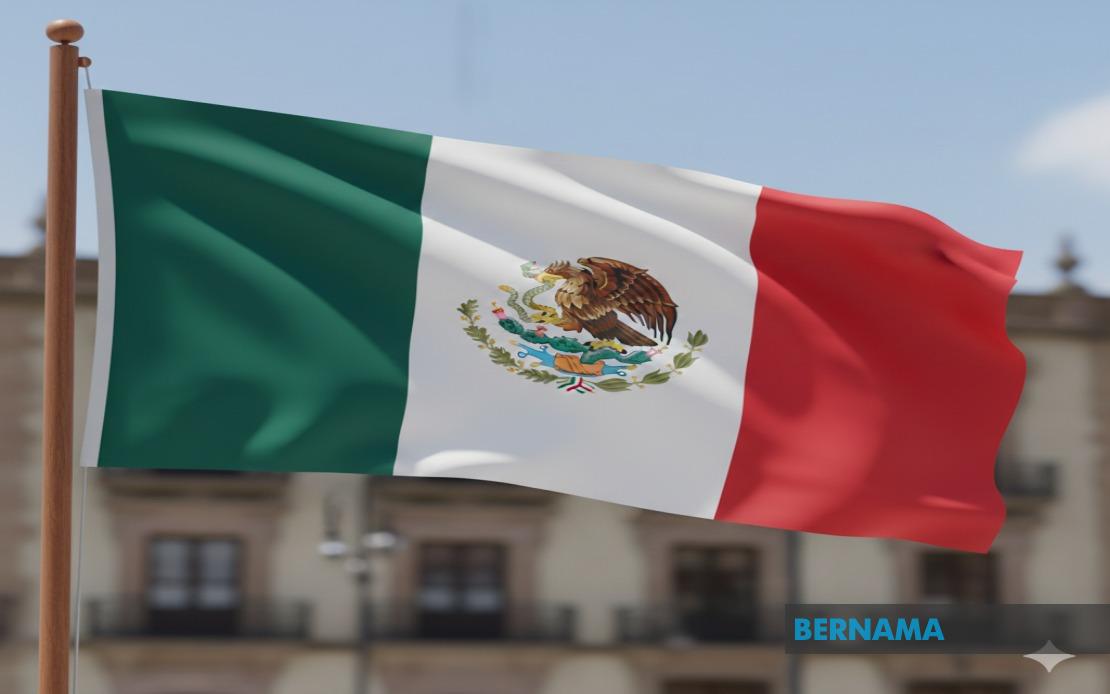
Mexico has taken its grievances over the deaths of its citizens during American immigration enforcement operations to the United Nations, marking a significant diplomatic escalation. Foreign Minister Roberto Velasco wrote directly to UN High Commissioner for Human Rights Volker Türk requesting a formal examination of cases where Mexican nationals have died in connection with operations by US Immigration and Customs Enforcement, known as ICE. The move reflects Mexico City's determination to push beyond conventional diplomatic channels and pursue accountability through international human rights mechanisms.
The request to the UN Human Rights Commissioner's office goes well beyond a simple fact-finding inquiry. Mexico is asking that the office assess whether the deaths align with the United States' binding commitments under international human rights law, develop formal recommendations for US authorities, and potentially escalate the matter to specialised UN bodies within the Human Rights Council. This multi-layered approach suggests Mexico believes the incidents warrant sustained international scrutiny rather than being resolved through bilateral discussions alone.
President Claudia Sheinbaum laid out Mexico's hardened stance last week, declaring that her government would no longer limit itself to quiet diplomacy. The administration is preparing a formal complaint to the US Justice Department, which will be submitted through Mexico's embassy in Washington. Simultaneously, Mexican consulates across the United States have begun filing complaints with state-level prosecutors in jurisdictions where deaths have occurred, creating multiple legal tracks that could complicate matters for American officials.
The scale of the problem that Mexico describes is substantial. According to the Mexican government, three citizens have lost their lives during active ICE enforcement operations, while fourteen others have died while held in deportation detention facilities. These figures, if validated, suggest a pattern rather than isolated incidents, which is precisely why Mexico has decided that diplomatic channels alone are insufficient. The sheer number of cases has prompted Mexico to coordinate action across its Justice Ministry, Attorney General's Office, and foreign service.
Mexico has also begun pursuing civil remedies by sending cease-and-desist notices to detention facilities involved in these incidents. The initial letter targeted the Adelanto detention centre in California, a facility operated under contract with federal immigration authorities. Mexico explicitly characterised this formal notification as the opening gambit in what could become a series of civil lawsuits against detention operators and possibly the US government itself, signalling that financial compensation may become part of the resolution sought.
The most recent and arguably most contentious case involves Lorenzo Salgado Araujo, a Mexican national shot and killed during an ICE operation in Houston on July 7. Salgado had spent more than thirty years in the Houston area and operated his own construction business, making him a permanent fixture in the community with family and economic ties. US Department of Homeland Security officials stated that he disobeyed officers' commands, struck a police vehicle with his car, and attempted to strike an officer with his vehicle, prompting an ICE officer to open fire. However, this official account has become contested terrain, with family members, civil rights advocacy groups, and Democratic politicians calling for an independent investigation to verify what actually occurred during the encounter.
The controversy surrounding the Salgado shooting encapsulates the broader frustration driving Mexico's escalation. Mexican officials and advocacy groups argue that US authorities cannot be trusted to fairly investigate their own operations, particularly when ICE officers are involved in lethal force incidents. The demand for independent review reflects deep skepticism about internal investigations conducted by the very agency whose personnel are involved in the deaths. This erosion of confidence in American self-policing mechanisms has become a central justification for Mexico's decision to involve the UN.
Mexico's strategy of pursuing simultaneous tracks—UN intervention, Justice Department complaints, state-level prosecutions, and civil lawsuits—suggests an understanding that no single avenue is likely to deliver rapid results. By flooding the system with formal complaints and legal notices across multiple jurisdictions and levels of government, Mexico may be attempting to maintain pressure and prevent American officials from sidelining the issue. This approach reflects frustration with the pace and adequacy of previous diplomatic engagement on migrant welfare and enforcement practices.
For Southeast Asian nations and regional observers, Mexico's experience offers instructive lessons about the challenges faced by smaller countries attempting to protect their citizens from enforcement actions by far more powerful states. Malaysia, Thailand, and other countries in the region that send significant numbers of workers and migrants abroad have watched similar cases unfold with considerable anxiety. Mexico's decision to bypass traditional diplomatic channels and invoke international human rights bodies represents a potential template for other nations seeking to create consequences for what they regard as unjust or excessive force by immigration authorities.
The effectiveness of Mexico's UN strategy remains uncertain. The United Nations High Commissioner's office can issue reports and recommendations, but cannot compel American compliance. The US government routinely receives criticism from UN human rights bodies without experiencing substantial policy change or accountability for individual incidents. However, Mexico appears to be betting that the combination of UN scrutiny, Justice Department complaints, state-level legal action, and civil litigation will create sufficient political and legal friction to force meaningful responses—or at minimum, documentation of the cases for posterity and future accountability efforts.
The timing of Mexico's escalation also carries political weight within the United States. The shooting death of Salgado and the broader pattern of deaths during ICE operations have attracted attention from Democratic politicians and civil rights organisations already critical of immigration enforcement practices. Mexico's formal complaints and UN referrals could amplify these domestic American voices, potentially creating additional political pressure on the Biden administration to address ICE practices before the presidential transition.
Ultimately, Mexico's move to internationalise the issue of deaths linked to ICE represents a watershed moment in how the country approaches the protection of its citizens abroad. Rather than accepting that enforcement operations in the United States fall entirely within American jurisdiction, Mexico is asserting that international human rights standards apply to how ICE conducts operations affecting Mexican nationals. This assertion, if sustained, could gradually reshape the framework within which bilateral discussions about migration enforcement occur.

