The Malaysian Golf Association has made a strategic push to recruit a high-calibre full-time national coach, presenting this as a critical requirement for mounting a competitive campaign at the 2027 SEA Games that Malaysia will host. MGA president Tan Sri Mohd Anwar Mohd Nor flagged the appointment as a priority during recent discussions with the Ministry of Youth and Sports, signalling that the federation views coaching infrastructure as fundamental to athlete development at this crucial juncture.
The appeal represents a broader recognition within Malaysian sports governance that hosting a major regional event demands sustained institutional investment. Rather than relying on ad-hoc coaching arrangements, MGA is advocating for a permanent structure that would allow for continuity in training methodologies and long-term player development cycles leading up to September 2027. This shift in approach reflects international best practices in sports administration, where dedicated coaching positions enable coaches to build comprehensive programmes tailored to specific athlete cohorts across multiple seasons.
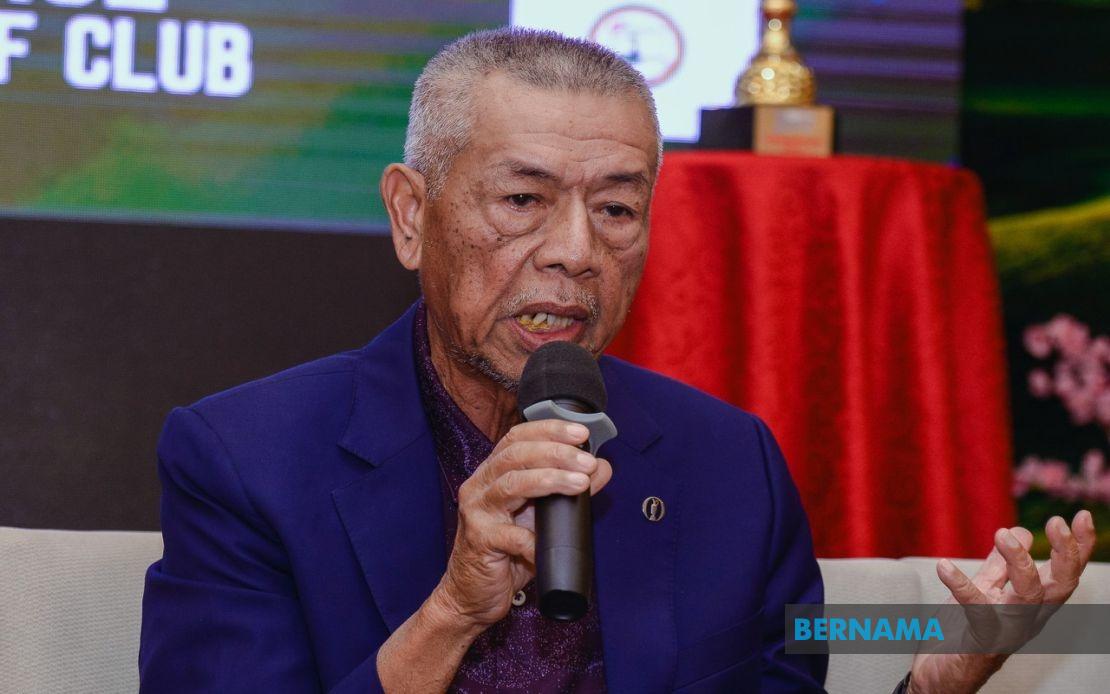
During the launch of the 100PLUS MGA National Junior Development Programme Junior Series 2026 at The Mines Resort & Golf Club, Mohd Anwar outlined the federation's intention to collaborate closely with both the Ministry of Youth and Sports and the National Sports Council to operationalise its vision. The coordination between these institutions represents a necessary alignment of government resources and sports governance structures, suggesting that MGA has recognised the need to work within established bureaucratic channels rather than operating independently.
The federation has already begun mapping out specific preparation initiatives for 2027, including the possibility of conducting specialised training camps in Sarawak. This geographical diversification reflects recognition that different regions may offer distinct environmental advantages for golf development, while also potentially strengthening the sport's institutional base across Malaysia. Mohd Anwar's meeting with Sarawak's Minister of Youth, Sports and Entrepreneur Development, Datuk Seri Abdul Karim Rahman Hamzah, suggests that state-level cooperation has become part of the comprehensive strategy.
For Malaysian golf, the hosting opportunity presents both an incentive and a challenge. The 2027 Games will showcase the sport on home soil before regional competitors, creating expectations for strong domestic performance. However, this visibility also exposes potential weaknesses in the current system, particularly if Malaysia fields teams that lack consistent coaching structures compared to rival nations that may have invested earlier in full-time coaching appointments.
The emphasis on structured preparation programmes reflects a maturation in how Malaysian sports bodies approach competitive planning. Rather than seeking quick fixes closer to competition dates, MGA is attempting to establish foundations several years in advance. This extended timeline theoretically allows for improved talent identification, skill development refinement, and psychological preparation—elements that cannot be rushed in the months immediately preceding major competitions.
The Ministry of Youth and Sports' response to this request will indicate the government's prioritisation of golf within the broader sports development agenda. Allocating resources for a permanent coaching position requires budgetary commitment and demonstrates confidence that investment in golf infrastructure will yield competitive returns. This decision may also set a precedent for other sports federations seeking similar support.
From a regional perspective, Malaysia's approach to 2027 preparation matters significantly. Competing nations such as Thailand, Indonesia, and the Philippines have varying levels of golf development infrastructure. Malaysia's investment in full-time coaching could position the country competitively, or alternatively, it could become evident that additional rivals have adopted comparable institutional enhancements, necessitating further upgrades to remain competitive.
The National Sports Council's involvement in approving and facilitating MGA's proposals suggests a systems-level approach to Games preparation. Rather than fragmented efforts, there appears to be an attempt to align individual sports federation strategies with national sports development priorities and resource allocation frameworks. This coordination mechanism, if effective, could streamline implementation of MGA's programmes and reduce bureaucratic obstacles.
Beyond the 2027 Games, establishing a permanent coaching position carries implications for Malaysian golf's long-term trajectory. A full-time coach creates continuity that extends beyond a single competition cycle, potentially stabilising the sport's competitive position internationally and domestically. This stability can facilitate better retention and development of talent pipelines, as young golfers benefit from consistent guidance rather than rotating coaching arrangements.
The federation's multi-faceted strategy—combining central coaching infrastructure, regional training facilities, and inter-agency coordination—suggests that MGA understands modern competitive sport requires systematic rather than sporadic investment. The outcome of these negotiations with government agencies will signal whether Malaysia's sports administration is prepared to match this sophisticated planning with corresponding financial and bureaucratic support.