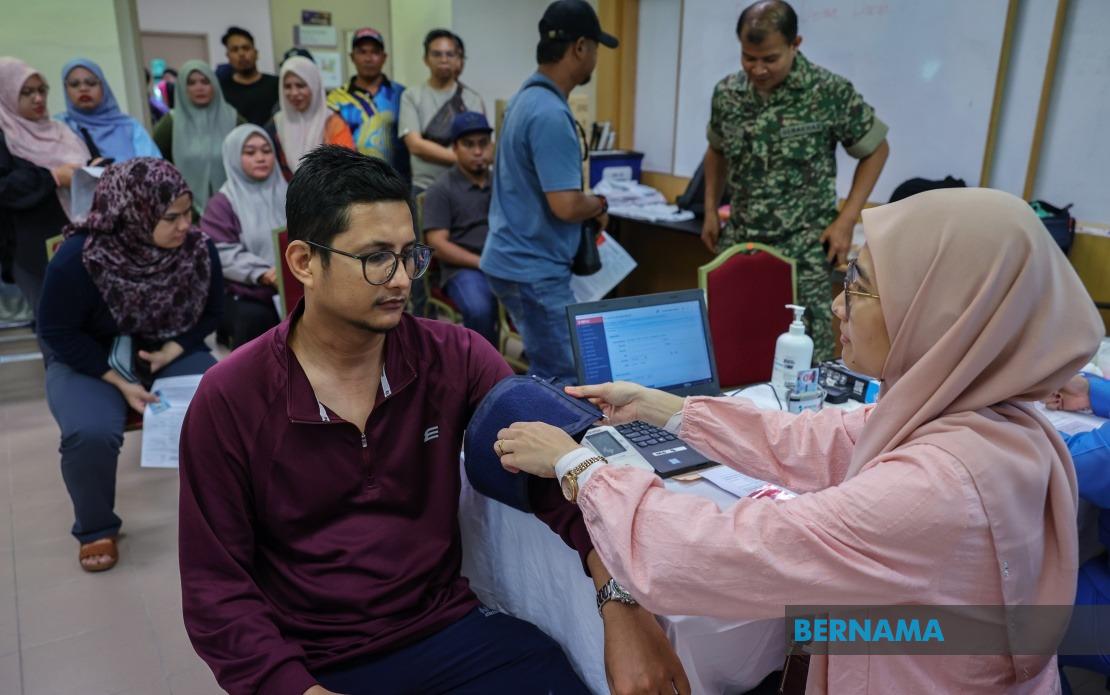
The Malaysian armed forces have demonstrated the value of civil-military cooperation in addressing healthcare gaps by establishing a major free medical clinic in Kuala Ketil, Kedah. Operating from Tuesday through to mid-July at Sultan Abdul Halim Mu'adzam Shah International Islamic University, the "Military with the People" healthcare initiative provided accessible dental treatment and general health screenings to residents who might otherwise face significant barriers to medical care. This initiative, known formally as the Civil-Military Cooperation or CIMIC programme, was organised in conjunction with the conclusion of a major commando training course, showcasing how routine military activities can be leveraged to deliver public health services.
The programme operated through two main medical delivery mechanisms: the Medical Community Assistance Programme and the Dental Community Assistance Programme. Under these frameworks, military medical professionals including dental officers and physicians conducted comprehensive health assessments covering blood pressure, glucose levels, body mass index measurements, and oral health examinations. The scope of treatment extended beyond basic screening to include actual clinical interventions such as dental fillings, scaling procedures, and tooth extractions. This represents a significant departure from merely diagnostic health fairs, positioning the initiative as a genuine healthcare intervention rather than simple awareness activity. The integration of mental health promotion alongside physical health screening reflects contemporary best practices in community medicine, addressing the social stigma that often prevents individuals from seeking mental health support in Malaysian communities.
Residents responded enthusiastically to the clinic's offerings, with many rearranging their schedules specifically to attend. Factory worker Siti Salmiah Said exemplified this engagement by using her day off to bring her entire family for treatment. Her account reveals the practical value of the service—she and her husband each received dental scaling, while her young child underwent necessary restorative work. For working-class families in areas underserved by private dental practitioners, such programmes eliminate the logistical burden of scheduling appointments and travelling to distant clinics during business hours. The immediate availability of treatment without prior consultation or booking requirements addresses a persistent accessibility problem that prevents many lower-income Malaysians from receiving routine preventive dental care.
The efficiency gains highlighted by attendees underscore why such initiatives matter in the Malaysian context. Adam Ruzlan, a legal assistant, emphasised that he expected only a basic examination but received complete treatment alongside professional oral health guidance. Military medical personnel explained his specific dental concerns, identified areas of decay and tartar buildup, and recommended appropriate follow-up care. This educational component is crucial, as many rural and lower-income Malaysians lack reliable access to professional advice about preventive dental hygiene. The combination of immediate treatment and health education creates lasting value beyond the single clinic visit.
For some participants, the programme carried additional significance rooted in family history. G. Devindran, who managed to attend despite his afternoon work shift, noted that his father had participated in similar military medical outreach nearly three decades earlier. His observation that contemporary services now operate with "faster service and improved facilities" reflects the modernisation of military medical capabilities and the expansion of military-civil partnerships in Malaysia. During his visit, Devindran received not only dental restoration but also comprehensive vital sign monitoring including blood pressure, blood sugar, and BMI assessment—a holistic approach that earlier generations may not have experienced even during specialised military medical events.
The programme demonstrated particular value when faced with medical emergencies. When a young child experienced dizziness and nausea during the event, Civil Defence Force personnel rapidly transported him to the medical tent where military staff conducted temperature, blood pressure, and oxygen saturation assessments before administering medication. Housewife Norhasliza Nayan noted that this immediate response and professional attention would have been impossible to access as quickly through conventional civilian healthcare channels in a rural area. Her observation that health programmes should become standard features at large-scale public events reflects recognition among Malaysian residents that military medical resources could be systematically deployed to improve public health access.
The dental services specifically focused on foundational treatments addressing the most prevalent oral health issues in the population. Captain Dr Muhammad Afiq Ishak, a dental officer from the 2nd Medical Battalion overseeing the dental component, explained that the programme concentrated on fillings, scaling, and extractions—procedures that form the backbone of routine dental care. Beyond treatment delivery, the team actively promoted awareness of proper oral hygiene and dental health maintenance. When medical personnel identified elderly attendees at potential risk of systemic diseases such as hypertension or diabetes during dental assessments, they conducted appropriate screening tests. Cases requiring ongoing specialist treatment were appropriately referred to nearby civilian dental clinics, ensuring coordination between military and civilian healthcare systems.
The broader CIMIC framework represented formal strategic cooperation between the Ministry of Health and Malaysia's armed forces, operating through local structures such as the Baling District Health Office. This institutional foundation distinguishes the programme from ad-hoc military charitable activities, suggesting a sustainable approach to civil-military health partnerships. The Baling District Health Office contributed general health screening capabilities and promoted awareness of mental health issues, directly supporting the Ministry of Health's objectives while expanding reach through military logistical and personnel resources. This coordination demonstrates how civilian health authorities and military medical units can complement each other's capabilities to serve communities more effectively.
Concurrently with clinical services, the programme incorporated a blood donation drive coordinated with Sultan Abdul Halim Hospital in Sungai Petani. The initiative aimed to collect approximately 100 blood units daily across the clinic's operating period, with this critical blood supply designated to strengthen regional blood reserves. Blood donation integration serves multiple objectives simultaneously: it addresses the chronic shortage of blood products that Malaysian hospitals face, it engages community members in supporting healthcare infrastructure, and it creates an additional compelling reason for residents to visit the clinic. For a rural area like Kuala Ketil, such initiatives can meaningfully improve emergency blood availability for local patients.
The success of this particular event raises important questions about scaling and replicating such programmes across Malaysia's underserved regions. Rural and peri-urban areas consistently experience healthcare access challenges that urban residents take for granted—limited specialist availability, inconvenient clinic hours, and significant travel distances. Military medical units possess distributed geographic presence through barracks and training facilities located throughout the country, suggesting that CIMIC-framework health initiatives could be systematically expanded to multiple locations. However, sustainable expansion would require institutionalised planning, regular scheduling, and resource allocation within military medical budgets, moving beyond occasional opportunistic programmes linked to military training events.
The resident testimonies collectively reveal that even basic healthcare services delivered with accessibility and dignity can profoundly impact community health. Many Malaysians in lower-income categories defer or forgo routine preventive care not because they lack health consciousness but because conventional healthcare systems impose prohibitive logistical or financial barriers. By removing cost, appointment scheduling, and transport barriers, the CIMIC programme enabled people to access care they had previously postponed. The improved oral health, identified risk factors, and health education received during these clinics will produce population-level health benefits extending far beyond the clinic dates themselves. For policymakers evaluating healthcare expansion strategies for underserved communities, such programmes demonstrate that utilising existing military medical infrastructure and personnel represents a pragmatic approach to improving health equity.

