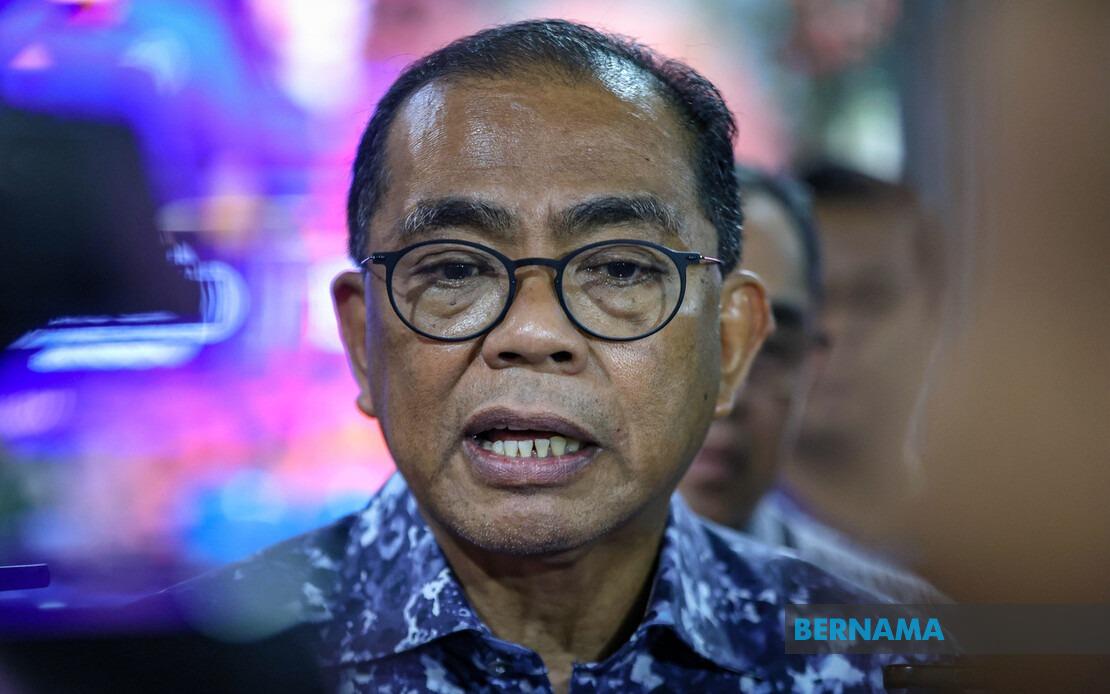
The Ministry of Defence is pursuing sweeping reforms to the Malaysian Armed Forces' organisational framework and personnel management systems, signalling a significant shift in how the military attracts and retains talent in an era of technological advancement. Defence Minister Datuk Seri Mohamed Khaled Nordin revealed that detailed proposals addressing staffing structures, career progression, and compensation packages have been formally submitted to the government and the Public Service Department for deliberation, marking an intensification of efforts begun with the 2022 Defence White Paper.
The underlying challenge driving these reforms is structural bottlenecking within the military hierarchy. Many accomplished officers satisfy the performance and competency benchmarks expected of their rank yet face stalled careers because promotional positions remain scarce. This disconnect between merit and advancement opportunities threatens military effectiveness at a time when the MAF is modernising its equipment and operational capabilities. Mohamed Khaled emphasised that the ministry seeks to establish better alignment between an individual's rank, salary grade, level of operational responsibility, and the strategic contributions they make to national defence.
Central to MINDEF's agenda is recalibrating the military's position within Malaysia's broader public service framework. Proposals for adjusting the Public Service Remuneration System were forwarded to the Public Service Department as recently as March of the preceding year, indicating this is not a new initiative but rather an ongoing bureaucratic process gaining momentum. The Defence Ministry argues that military service warrants distinct financial consideration given its unique demands, particularly the requirement for personnel to undertake extended professional courses spanning nine months to two years. Such commitments differ substantially from civilian public sector roles and justify tailored allowance structures.
Promotions within the reformed system will remain rooted in meritocratic principles rather than becoming automatic or based on seniority alone. Mohamed Khaled made this boundary clear, stating that expedited advancement mechanisms must still evaluate candidates against rigorous standards encompassing performance, technical competency, personal integrity, and organisational requirements. These criteria will be administered through established evaluation channels, ensuring the military maintains professional standards whilst creating clearer pathways for capable officers. The distinction matters for military readiness, as bypassing competency assessments could compromise operational effectiveness and officer morale.
The ministry's reform efforts gain political momentum from Prime Minister Datuk Seri Anwar Ibrahim's recent announcement regarding in-principle cabinet agreement to streamline and accelerate promotion processes for both the Malaysian Armed Forces and Royal Malaysia Police. This elevates the Defence Ministry's structural proposals from departmental initiative to government-wide policy priority. The Prime Minister indicated that comprehensive details of the new promotion mechanism will be unveiled during the Ambang Merdeka celebrations at Stadium Merdeka in Kuala Lumpur on August 30, providing a formal platform for announcing what represents a significant overhaul of security personnel advancement.
The timing of these reforms reflects broader concerns about defence sector competitiveness in retaining skilled personnel. As Malaysia's defence acquisition strategy emphasises sophisticated technology and advanced capabilities, the military increasingly competes with private sector employers for technical talent. Officers who invest years in military-specific training and education may face frustration if promotion prospects plateau, creating flight risk for institutional knowledge and expertise. By harmonising military promotion frameworks with other public service schemes, the government aims to enhance the profession's attractiveness whilst maintaining the rigorous standards military operations demand.
Financial commitment underpins these structural ambitions. The government has pledged to increase the Defence Ministry's budget allocation in the 2027 fiscal year specifically to fortify the Malaysian Armed Forces' operational capabilities and safeguard the welfare of defence personnel. This budgetary commitment signals that reform proposals are not merely rhetorical but backed by resource commitments. Enhanced compensation and clearer promotion pathways require investment, and Budget 2027's designated increase suggests the government recognises that talent retention and personnel welfare are foundational to military effectiveness.
For Malaysia's regional positioning, these domestic reforms carry strategic implications. The Southeast Asian security environment remains complex, with territorial concerns, maritime security challenges, and the need for robust defence capabilities. A military hampered by structural career stagnation and inadequate compensation risks degrading readiness precisely when geopolitical pressures may intensify. Conversely, a professionalised force with clear advancement opportunities and competitive compensation attracts higher-calibre personnel and improves retention of experienced officers, strengthening regional security architecture.
The Defence Ministry's advocacy for these changes since the 2022 Defence White Paper indicates institutional persistence in navigating bureaucratic processes. Such sustained effort suggests MINDEF leadership recognises that conventional approaches to military human resources are insufficient in contemporary conditions. The convergence of defence modernisation requirements, talent retention challenges, and government receptiveness creates a window for implementing structural change that could reshape military career trajectories for the next generation of Malaysian defence personnel.

