The Malaysian National Cycling Federation has initiated moves to arrange an emergency meeting with Yayasan Sime Darby, seeking to unlock the impasse that has forced the postponement of the YSD Track Cycling and BMX Series 2026. The decision to suspend the talent development programme has created significant disruption within the local cycling ecosystem, prompting federation leadership to pursue direct engagement at the highest levels to chart a path forward.
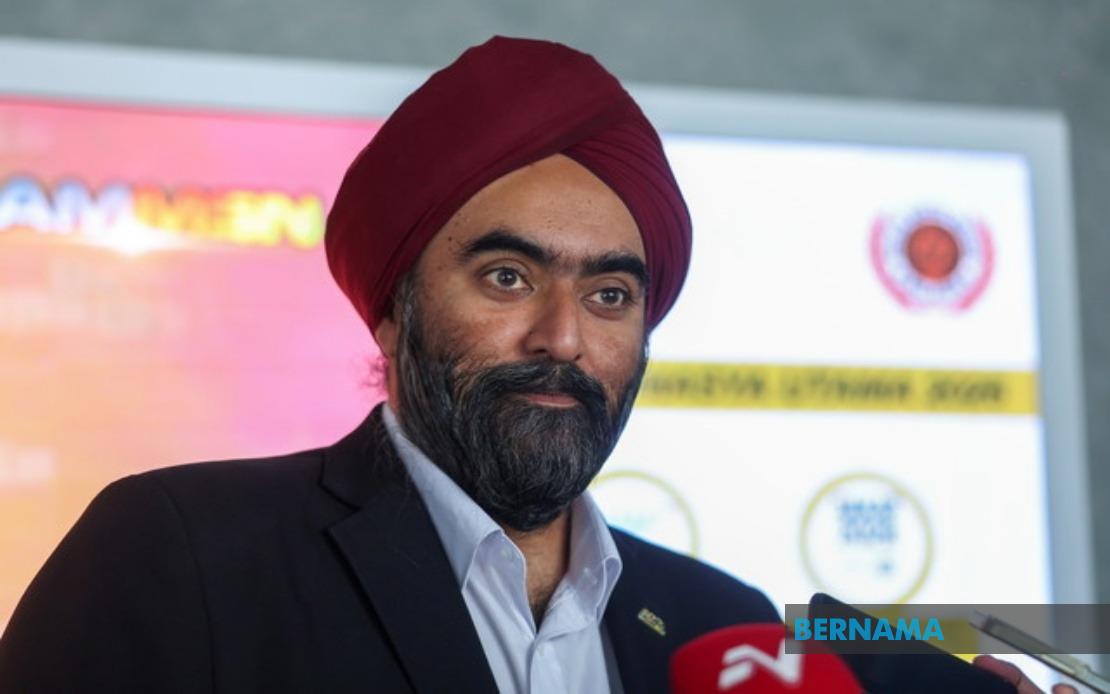
Federation president Datuk Amarjit Singh Gill has stressed that resolving the dispute does not require navigating complex institutional obstacles, but rather demands that both organizations reaffirm their commitment to working as equal partners in advancing the sport. Speaking at the route announcement ceremony for Le Tour de Langkawi 2026 in Putrajaya, he underscored the importance of immediate dialogue between the federation's executive council and YSD's senior management team to address the underlying concerns that triggered the postponement.
The suspension of the cycling series represents a tangible setback for Malaysia's talent pipeline in track and BMX disciplines. Yayasan Sime Darby's decision to shelve the programme followed what the foundation characterized as technical complications stemming from the federation's operational arrangements. However, Gill's measured response suggests the disagreement, while serious enough to warrant cancellation, may not involve fundamental incompatibilities between the two parties.
Gill's public remarks demonstrate a deliberate effort to frame the dispute in diplomatic terms, avoiding inflammatory language while signalling the federation's willingness to compromise. His emphasis on mutual respect reflects an understanding that salvaging the partnership depends on both sides acknowledging their respective contributions and constraints. The MNCF leader pointedly noted that his organization values YSD's substantial investment in cycling development and remains committed to honouring that relationship despite current tensions.
The postponement carries implications beyond the immediate programme calendar. Track cycling and BMX racing serve as critical platforms for identifying and nurturing young athletes capable of representing Malaysia at regional and international competitions. Protracted suspension risks leaving emerging talent without structured competitive opportunities during formative developmental years, a concern that lends urgency to federation efforts to resolve the impasse.
Gill has signalled the MNCF's flexibility regarding timing and venue for negotiations, making clear that the federation views reconciliation as both feasible and desirable. This approach contrasts with a more combative posture, instead treating the dispute as a manageable disagreement amenable to resolution through respectful dialogue. The federation president's characterization of the matter as straightforward reflects confidence that candid discussion can clarify misunderstandings and establish ground for renewed cooperation.
The strategic partnership between MNCF and Yayasan Sime Darby represents a significant collaboration in Malaysian sports funding, with the foundation's backing providing resources that the federation alone could not mobilize. The cycling series in question serves as a visible manifestation of corporate commitment to grassroots sports development, making its continuation important for both entities' credibility and public image. Both parties thus carry incentives to restore the programme rather than allow it to languish indefinitely.
YSD's reference to technical issues as the grounds for postponement requires careful interpretation. Whether these involve administrative procedures, financial arrangements, performance metrics, or operational protocols remains opaque, but Gill's willingness to accept this characterization suggests the federation does not view the technical concerns as pretextual. Instead, he appears confident that professional discussion can isolate specific pain points and develop workable solutions that accommodate legitimate requirements on both sides.
For Malaysian cycling more broadly, the dispute underscores ongoing challenges in sustaining institutional partnerships that fund competitive programmes. The sport depends heavily on corporate sponsorship and foundation support, relationships that can prove fragile when operational expectations diverge. The current situation illustrates both the vulnerability of this model and the necessity of maintaining robust communication channels to prevent misunderstandings from cascading into prolonged programme disruptions.
The timing of the dispute is particularly consequential given Malaysia's cycling aspirations leading into the Olympic quadrennial. Young athletes who might otherwise use the YSD series as preparation for larger competitions now face uncertainty about when competitive opportunities will resume. This disruption to athlete development pipelines strengthens the case for swift resolution and underscores why both MNCF and YSD would be wise to prioritize substantive engagement over prolonged bureaucratic positioning.
Gill's public statements suggest the federation leadership possesses reasonable confidence that direct conversation between decision-makers can unlock the current deadlock. His emphasis on shared commitment to cycling's advancement and recognition of YSD's contribution implies a negotiating posture centered on collaborative problem-solving rather than adversarial confrontation. Should both parties approach forthcoming discussions with similar pragmatism, the pathway to programme restoration appears navigable.

