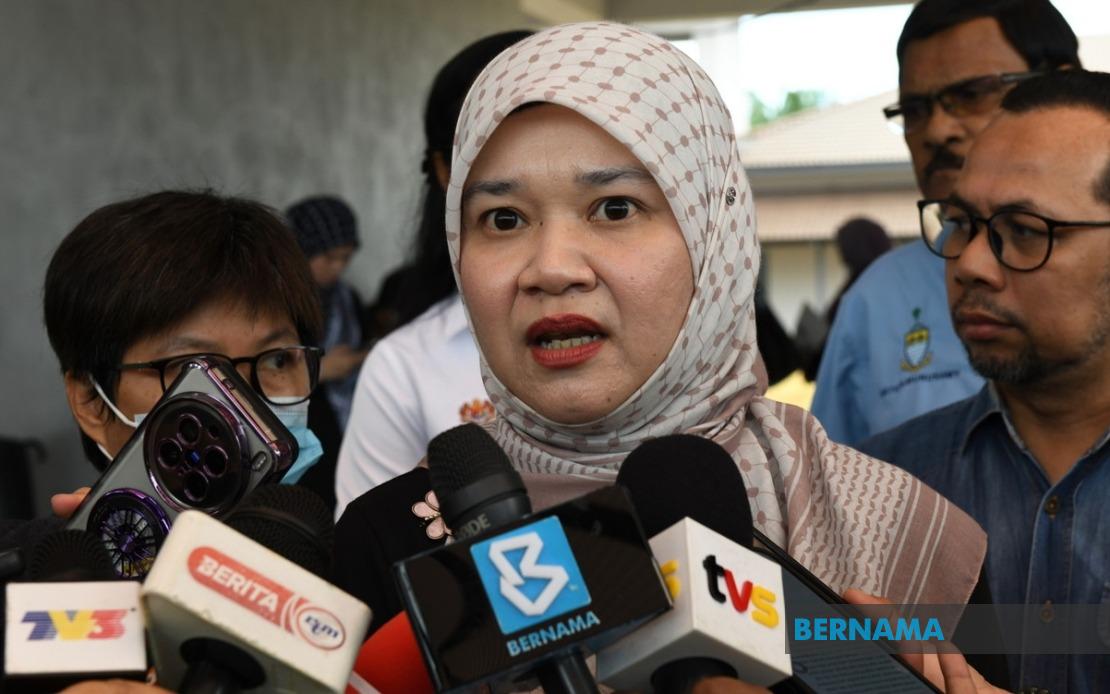
The Ministry of Education has instructed its Schools Inspectorate, the District Education Office, and the Federal Territory of Kuala Lumpur Education Department to rapidly finalize their internal investigation into the death of a student at a Kuala Lumpur school. The directive comes as Education Minister Fadhlina Sidek acknowledged the gravity of the incident and committed the ministry to a comprehensive response.
Fadhlina emphasized that allegations touching on bullying and racial dimensions demand immediate attention and resolution based on verified evidence and established protocols. Her public statement reflected growing concerns about student safety in Malaysian educational institutions, a topic that has attracted heightened scrutiny in recent months. The minister's language underscored the ministry's determination to treat such matters with appropriate gravity rather than allowing them to be minimized or delayed.
The Education Ministry is coordinating closely with law enforcement authorities to ensure all aspects of the case receive thorough examination. Beyond the police investigation, MOE has engaged the Social Welfare Department and the Ministry of Health, signalling a multi-agency approach to understanding the circumstances surrounding the student's death. This collaborative framework suggests the ministry recognizes the complexity of such incidents and the need for specialized expertise from different government sectors.
Fadhlina extended official condolences to the deceased student's family and the broader school community affected by the tragedy. She acknowledged that such incidents create ripples far beyond the immediate family, impacting peers, educators, and parents who entrust their children to the school's care. The expression of sympathy was coupled with concrete assurances that the ministry would maintain focus on delivering justice and protecting other students from similar harm.
Immediate support mechanisms have been activated for those directly affected by the student's death. The MOE counselling team has been deployed to provide psychosocial assistance to the deceased student's family, recognizing that grief following such circumstances is often compounded by trauma and uncertainty. Teachers at the school have been briefed on both the ongoing investigation and relevant legal procedures, allowing them to manage their professional responsibilities while processing their own emotional responses to the incident.
The Education Ministry has mobilized its Smart Support Team to deliver crisis intervention and psychosocial counselling to students within the affected school community. This initiative acknowledges that student deaths can trigger secondary trauma, anxiety, and psychological distress among peers who may have known the deceased or feel vulnerable about their own safety. By deploying trained support personnel, the ministry aims to help students process their emotions and maintain their emotional stability during an unsettling period.
The emphasis on bullying and discrimination reflects systemic concerns that have animated education policy discussions throughout Southeast Asia. Malaysian schools, like their regional counterparts, have grappled with incidents of peer harassment, sometimes exacerbated by ethnic, religious, or socioeconomic tensions. The minister's specific mention of these elements suggests the preliminary circumstances of this case may have involved such factors, though no detailed allegations have been publicly disclosed pending investigation completion.
Fadhlina's commitment to ensuring the educational environment remains secure and free from bullying represents both an immediate response to this tragedy and a broader policy commitment. Creating schools that are genuinely safe—not merely physically secure but psychologically supportive and free from systematic harassment—remains a challenge for education systems across the region. The incident serves as a reminder that institutional safeguarding requires constant attention and investment.
The rapid-completion directive carries implications for how Malaysian educational institutions approach accountability and transparency in serious incidents. Swift, credible investigations can rebuild confidence in institutional systems, while protracted or opaque processes often deepen public concern. By ordering expedition of the internal probe, the ministry signals that such matters will not be indefinitely delayed through bureaucratic procedures.
For Malaysian schools and parents, this incident underscores the importance of robust reporting mechanisms and accessible counselling services. Students who experience bullying or discrimination often suffer silently, and institutional cultures that discourage disclosure can allow harmful situations to escalate. The ministry's mobilization of support teams and emphasis on addressing bullying proactively reflects recognition that prevention requires cultural change within schools.
The involvement of multiple government agencies also highlights how student welfare intersects with public health, social welfare, and law enforcement portfolios. Deaths in educational settings may involve medical factors, welfare considerations, and potential criminal elements—or combinations thereof. Coordinated multi-agency response, rather than siloed departmental investigations, provides more comprehensive understanding and better serves surviving family members seeking answers.
As the internal investigation proceeds, the ministry faces the dual challenge of conducting a thorough, credible inquiry while protecting the privacy and dignity of the deceased student and bereaved family. Public speculation, while understandable, can complicate investigations and cause additional distress. Fadhlina's measured communications appear calibrated to acknowledge public concern while maintaining investigative integrity.
This incident will likely prompt broader discussions about student safety protocols, mental health support availability, and anti-bullying measures within Malaysian schools. Educational institutions nationwide may receive guidance on reviewing their own safeguarding systems, particularly regarding peer relationships and discrimination prevention. The outcome of the investigation could influence policy development and resource allocation for student welfare in the coming years.

