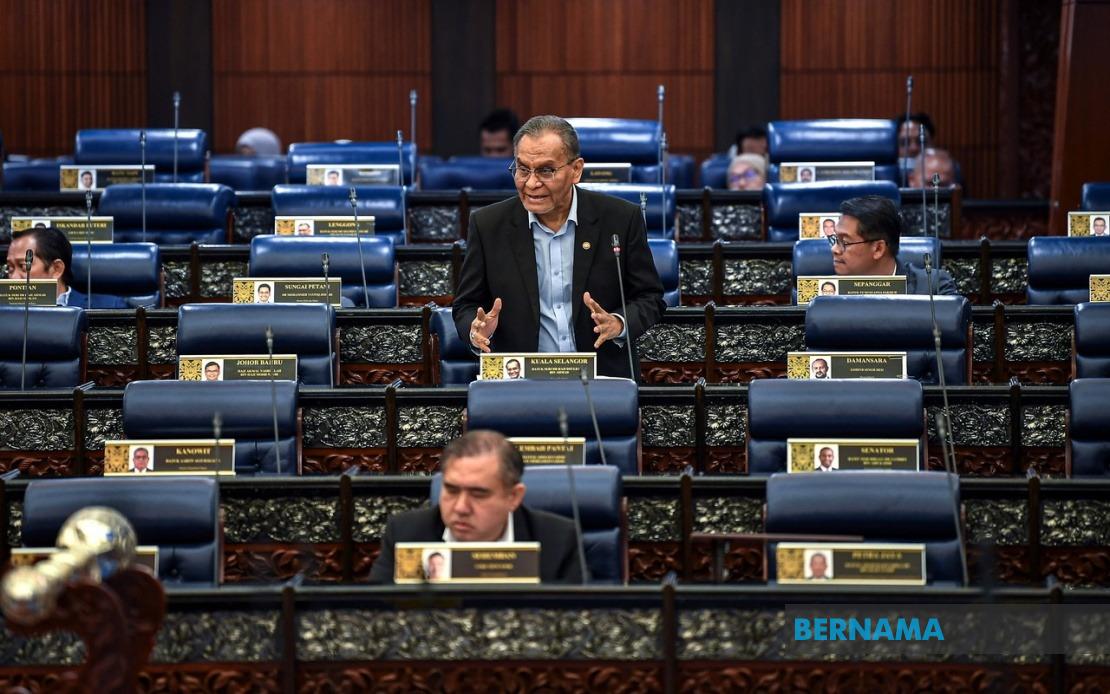
Malaysia's healthcare system faces a critical juncture as the Ministry of Health moves to prevent further collapse of the private general practitioner sector, which remains essential to the country's primary healthcare network. Health Minister Datuk Seri Dr Dzulkefly Ahmad acknowledged the severity of the situation during parliamentary questioning, revealing that the government has implemented concrete measures including a significant raise in minimum consultation fees to help private practitioners stay afloat. The announcement underscores growing recognition within government circles that the sustainability of private medical services directly impacts the overall resilience of Malaysia's fragmented but interdependent healthcare infrastructure.
The crisis in private practice has escalated alarmingly over the past decade. Since 2013, some 2,034 private medical clinics have ceased operations, representing a substantial loss of capacity in the community healthcare sector. This contraction has intensified particularly as the private primary healthcare workforce confronts declining recruitment of house officers—young medical graduates who traditionally rotate through private practices as part of their training. The combination of reduced new talent entering the sector and economic pressure on existing practitioners has created a downward spiral threatening the viability of neighbourhood clinics that serve as the frontline point of contact for millions of Malaysians seeking affordable, accessible medical care.
Dzulkefly's intervention reflects a strategic recalibration of how government views the private sector's role. Rather than treating private clinics as competitors to public health facilities, the ministry now explicitly positions them as integral components of a functioning primary healthcare ecosystem. The government has already acted by raising the minimum consultation fee from RM10 to RM80 under existing regulations—a substantial increase that acknowledges the reality that private practitioners cannot sustain operations on rates that have remained essentially frozen for years while operating costs have escalated. This regulatory adjustment signals willingness to permit private practitioners adequate revenue while protecting patients from excessive charges.
Beyond fee adjustments, the government is exploring outsourcing arrangements designed to create operational efficiencies and new revenue streams for private clinics. Dzulkefly emphasized that such structured interventions are vital to building what he termed a healthy healthcare ecosystem—a phrase suggesting the ministry recognizes that public health cannot thrive if private sector partners are simultaneously failing. The concept reflects sophisticated understanding that Malaysia's healthcare delivery depends on complementary rather than competing systems, with private clinics handling routine consultations and preventive care while public hospitals manage complex cases and provide safety-net services for the uninsured.
The strategic emphasis on non-communicable disease management exemplifies this collaborative vision. Malaysia, like most Southeast Asian economies, faces a mounting burden from chronic conditions including diabetes, hypertension, and cardiovascular disease. Public hospitals are increasingly overwhelmed by these cases, creating bottlenecks that delay care for acute emergencies and surgical needs. The government's inclusion of NCD disease management in the 13th Malaysia Plan specifically contemplates closer integration between private clinics and MOH health clinics. Such coordination could enable private practitioners to manage stable chronic disease patients under agreed protocols, freeing hospital resources for acute care and providing patients with convenient access to ongoing management at community level.
Parliamentary pressure has clearly influenced the ministry's repositioning. Dr Halimah Ali's question drew explicit comparison to healthcare models in the United Kingdom and Taiwan, both of which have achieved superior health outcomes through well-developed primary care sectors that absorb most patient encounters before hospital referral becomes necessary. Malaysia's fragmented system, where private and public sectors operate largely in parallel, represents a substantial inefficiency compared to these integrated models. The minister's detailed response suggests the government understands these international benchmarks and is working toward a more coordinated approach, though meaningful integration remains limited in practice.
The magnitude of private clinic closures reflects deeper structural problems that fee increases alone cannot entirely resolve. Many private practitioners have exited the market due to demographic shifts—aging of the GP workforce without sufficient replacement by younger doctors—regulatory burdens, and competition from larger corporate healthcare chains and retail clinics. The departure of experienced practitioners erodes the quality and reliability of primary care available to patients who prefer or require private sector services. Communities lose trusted family doctors who accumulated institutional knowledge of local health patterns and patient relationships spanning decades. Rebuilding this human infrastructure once lost proves far more difficult than preventing initial deterioration.
The government's commitment to outsourcing arrangements suggests creative thinking about how public resources might support private clinic viability without direct subsidies that could distort market dynamics. Potential models could include public procurement of specific services from private clinics—such as certain screening programs, vaccination services, or chronic disease monitoring—that generate revenue for private practitioners while expanding service capacity. Such arrangements already exist in limited form through schemes like the Health Ministry's engagement with private laboratories for diagnostic services. Expanding this model systematically across various service lines could provide private clinics with more stable revenue predictability.
For Malaysian patients, the implications are significant. A thriving private primary care sector expands choice, reduces congestion in public facilities, and creates competitive pressure that drives service quality improvements across both sectors. Conversely, continued private clinic closures narrow options for patients with means to access private care, concentrate demand on already-strained public health facilities, and eliminate community-based alternatives for those seeking medical services outside hospital environments. The health minister's strategic focus on sustainability thus serves not merely economic interests but broader public health objectives.
The comparison to Taiwan and the United Kingdom highlights an important strategic gap. Those countries achieved integrated primary care systems through decades of deliberate policy coordination, professional collaboration, and regulatory frameworks designed to encourage rather than discourage cooperation between sectors. Malaysia's current trajectory suggests belated recognition that integration requires active government stewardship rather than passive reliance on market forces. The 13th Malaysia Plan's inclusion of NCD management collaboration represents a modest but meaningful step toward that direction, though translating policy language into on-the-ground implementation requires sustained commitment and resources.
Sustaining private clinic operations directly addresses Malaysia's capacity constraints in primary healthcare. The network of 10,208 private GP clinics already handles substantial patient volume—government data indicates private clinics manage approximately 60 percent of primary care consultations despite receiving minimal public funding. Allowing this capacity to deteriorate through clinic closures effectively reduces the nation's overall healthcare throughput without compensating expansion of public facilities. The ministry's interventions thus represent pragmatic recognition that public resources are insufficient to replace private sector capacity, making sustainability of existing private practitioners a matter of urgent national health policy.
Implementing the ministry's vision faces practical obstacles. Private practitioners remain heterogeneous—some operate successful, profitable practices while others struggle with thin margins and aging patient bases. Outsourcing arrangements and fee adjustments may help marginal operators survive but cannot restore the sector to health if underlying structural problems persist. Training pipeline issues require education policy coordination beyond the health ministry's authority. Competition from corporate chains and retail clinics continues reshaping the market in ways difficult to influence through regulation alone. Nonetheless, the government's explicit commitment to private clinic sustainability marks important policy evolution toward recognizing primary care as a shared public-private responsibility rather than a residual sector abandoned to market forces.
Moving forward, success will depend on translating supportive rhetoric into tangible, sustained support mechanisms that address both immediate survival pressures and longer-term structural viability of private primary care. The ministry's recognition that private clinics fill essential gaps in healthcare delivery provides foundation for deeper collaboration. Whether Malaysia can achieve the integrated primary care systems evident in peer nations will determine whether government healthcare policy ultimately proves responsive to demographic and epidemiological realities confronting the nation.