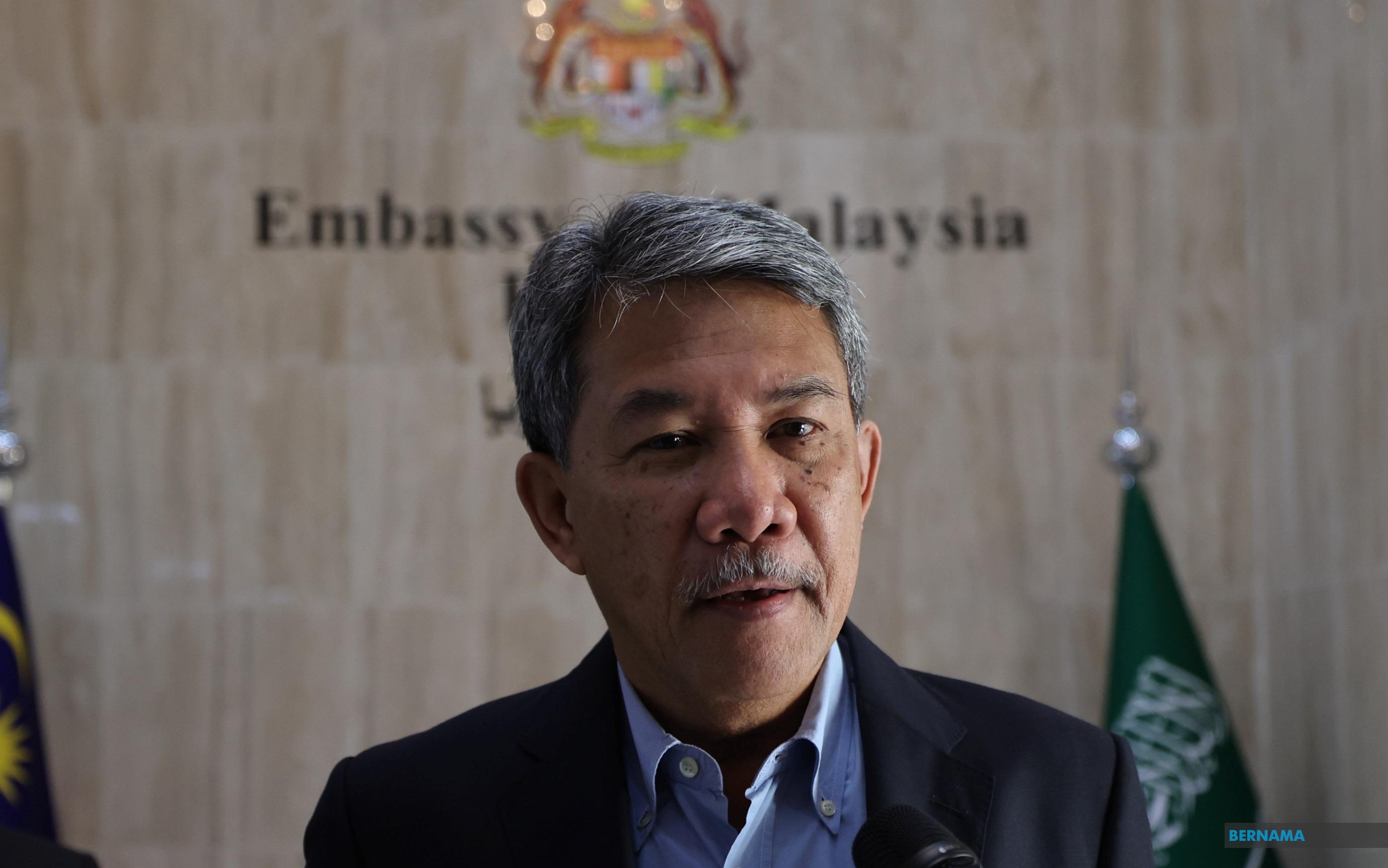
Malaysia's Foreign Minister Datuk Seri Mohamad Hasan has embarked on a three-day working visit to Brunei that will see him participate in significant bilateral engagement between the two closest neighbours. The visit, running through August 22, comes at a time when Malaysia and Brunei continue to deepen their partnership across multiple sectors, underscoring the importance both nations place on maintaining constructive relations.
The centrepiece of Mohamad Hasan's trip is the 27th Malaysia-Brunei Annual Leaders' Consultation scheduled for August 22, a high-level forum that serves as the primary mechanism for top-level political dialogue between the two governments. Preceding this major engagement on August 21 will be the 27th Malaysia-Brunei Exchange of Letters Implementation Meeting, which the Foreign Minister will co-chair alongside Brunei's Second Minister of Foreign Affairs, Datuk Seri Setia Erywan Mohd Yusof. This two-pronged diplomatic schedule reflects the structured approach both nations employ to manage their bilateral relationship systematically.
The Exchange of Letters mechanism operates as a vital working-level platform where specific issues identified by national leaders can be systematically addressed. Rather than ad-hoc discussions, this formal framework allows Malaysian and Bruneian officials to track progress on initiatives agreed during the previous year's leaders' consultation and to identify emerging areas requiring cooperation. For Malaysia, which shares a maritime boundary with Brunei and has significant commercial interests in the region, these meetings provide essential opportunities to ensure continuity in diplomatic efforts and to prevent minor disagreements from escalating.
Among the key matters the two ministers will evaluate are the sensitive issues of land and maritime boundaries, longstanding bilateral concerns that require ongoing dialogue and technical coordination. These boundary matters remain significant for both nations' security and economic interests, particularly as energy exploration and maritime commerce continue to expand in the region. The inclusion of these topics on the agenda demonstrates both countries' commitment to resolving potential friction points through diplomatic channels rather than allowing disputes to fester.
Economic cooperation stands as another major focus area for the bilateral meetings. The relationship between Malaysia and Brunei has demonstrated steady commercial growth, though trade figures reveal seasonal variations. In 2025, bilateral trade totalled RM5.86 billion, equivalent to approximately USD 1.37 billion, representing the annual scale of commercial exchange. During the first half of 2026, the comparable figure reached RM2.38 billion or USD 0.6 billion, reflecting the typical pattern of trade flows across different periods. These substantial figures underscore the economic interdependence that underpins political relations between the nations.
For Malaysian businesses and policymakers, Brunei represents both a significant market and a strategic partner in broader Southeast Asian economic integration. The sultanate's position along major shipping routes and its hydrocarbon resources mean that stable Malaysia-Brunei relations facilitate smoother regional trade flows and energy cooperation. When senior Malaysian officials engage in bilateral consultations with Brunei, they are fundamentally protecting Malaysian economic interests while strengthening regional stability, a concern that resonates across ASEAN member states.
The timing of this working visit also reflects the diplomatic calendar in Southeast Asia, where bilateral consultations between major powers occur regularly to maintain the alignment necessary for effective multilateral cooperation within ASEAN and other regional forums. Malaysia and Brunei's relationship, though often overshadowed by interactions with larger neighbours, provides a valuable foundation for the smaller, stable partnerships that give ASEAN its cohesion. When foreign ministers of neighbouring countries meet regularly to address practical issues, they reduce misunderstandings and demonstrate commitment to peaceful coexistence.
The choice of Bandar Seri Begawan as the venue for these consultations follows diplomatic protocol, with hosting duties rotating between nations in successive years. Such visits allow visiting ministers to assess current conditions firsthand and engage with local officials and business communities. For Mohamad Hasan's delegation, the experience of spending several days in Brunei enables deeper understanding of the sultanate's priorities and perspectives, enriching Malaysia's approach to bilateral management.
Looking forward, the outcomes of these consultations will likely shape Malaysia-Brunei cooperation throughout the remainder of 2026 and beyond. Any agreements reached during the Annual Leaders' Consultation will be implemented and monitored through mechanisms such as the Exchange of Letters framework, creating a continuous cycle of dialogue and action. For Malaysian stakeholders in sectors ranging from trade to maritime security, the success of these bilateral meetings directly affects their operational environment and business prospects.
The visit underscores how Malaysia maintains robust diplomatic engagement with all regional neighbours, regardless of their size or global prominence. Brunei, despite its small population and limited territory, commands Malaysian attention because of geographic proximity, shared maritime interests, and the principle that stable bilateral relations form the bedrock of regional peace. As Malaysia navigates increasingly complex regional dynamics and international pressures, its partnership with Brunei remains an anchor of predictability and cooperation in Southeast Asia's diplomatic landscape.

