Malaysia's Foreign Minister Datuk Seri Mohamad Hasan will lead the nation's representation at an extraordinary gathering of the Organisation of Islamic Cooperation's Council of Foreign Ministers in Jeddah, where discussions will centre on the evolving situation in Palestine. The one-day meeting represents a critical moment for coordinating unified responses among Islamic nations regarding developments that continue to reshape the geopolitical landscape of the Middle East and Muslim-majority regions globally.
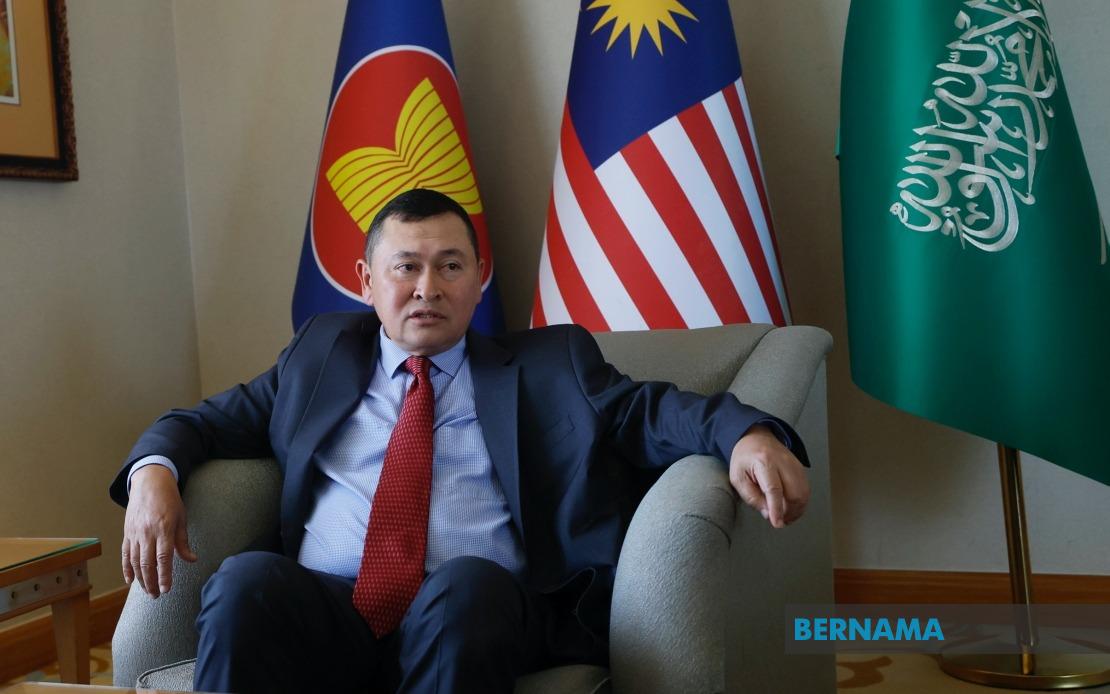
According to Datuk Syed Bakri Syed Abdul Rahman, Malaysia's Ambassador to Saudi Arabia and Permanent Representative to the OIC, the gathering builds upon prior consultations aimed at establishing synchronized diplomatic positions across member states. This sequential approach to multilateral engagement underscores the complexity of achieving consensus among diverse nations with varying strategic interests, yet united by shared concerns over Palestinian affairs. The diplomatic choreography reflects how regional organizations attempt to translate moral imperatives into coordinated action despite significant structural limitations.
During the proceedings, Mohamad will present Malaysia's National Statement, reasserting the country's consistent and principled commitment to the Palestinian cause and emphasizing support for their fundamental right to establish an independent, sovereign state within boundaries recognized prior to 1967. This reaffirmation carries particular weight in Malaysia's diplomatic lexicon, serving both as a domestic political statement to the Muslim-majority population and as a positioning marker within Islamic multilateral forums. Malaysia's vocal advocacy has historically distinguished it from nations maintaining more subdued diplomatic postures on Middle Eastern conflicts.
The Foreign Minister's address will specifically focus on Israeli military operations and the catastrophic humanitarian consequences unfolding in Gaza, whilst simultaneously examining pressures facing Palestinian communities in the West Bank and the contentious expansion of Jewish settlements across occupied territories. This multifaceted analysis recognizes that the Palestinian crisis encompasses not merely military dimensions but encompasses settlement policies, resource allocation, movement restrictions, and systemic governance structures that collectively shape Palestinian lived experiences. Malaysian diplomatic messaging consistently attempts to elevate discussion beyond immediate conflict dynamics to structural dimensions often marginalized in international discourse.
Kuala Lumpur's participation carries symbolic and substantive significance, positioning Malaysia as an active voice ensuring that Israeli actions and their implications remain central to OIC deliberations rather than relegated to peripheral status. Malaysian officials emphasize that the international community, particularly OIC member governments, must translate rhetoric into substantive mechanisms and concrete interventions addressing Palestinian circumstances. This framing reflects occasional Malaysian frustration with the perceived gap between declaratory support and effective implementation by multilateral bodies.
Crucially, Mohamad will advocate for strengthened humanitarian assistance mechanisms ensuring that aid effectively reaches Palestinian populations experiencing acute deprivation. Malaysia has historically distinguished itself through direct humanitarian engagement rather than exclusively diplomatic channels, deploying medical missions, educational assistance, and reconstruction support. This humanitarian dimension reflects how Malaysian foreign policy attempts to demonstrate solidarity through tangible mechanisms accessible to domestic constituencies. The ambassador's emphasis on aid continuity suggests concerns that geopolitical fragmentation might impede assistance flows to vulnerable populations.
The extraordinary meeting itself represents an effort to leverage the OIC framework as a coordinating institution capable of generating collective diplomatic responses and synchronized messaging. By convening foreign ministers in extraordinary session rather than through regular scheduled meetings, member states signal the gravity attached to Palestinian developments and their determination to move beyond procedural discussions toward substantive resolutions. Such gatherings carry historical precedent as pivotal moments when multilateral organizations attempt decisive action on issues of fundamental concern to their constituencies.
Beyond Palestinian discussions, the meeting's agenda encompasses the election of the OIC secretary-general, an administrative matter with significant implications for institutional direction and priority-setting over the coming years. Leadership transitions within multilateral organizations often reflect shifting power dynamics and strategic preferences among major member states, making such elections occasions for negotiation and positioning. The secretary-general election provides context for understanding broader patterns of influence and coalition-building within Islamic multilateral architecture.
The gathering will adopt resolutions concerning Palestine and Al-Quds Al-Sharif, establishing formal positions condemning Israeli aggression against Palestinians and mobilizing collective action frameworks among member states. These resolutions, whilst carrying primarily symbolic weight within international law, establish baseline positions that signatories commit to upholding and provide rhetorical resources for diplomatic advocacy. Malaysia's support for such resolutions demonstrates consistent alignment with broader OIC positions whilst allowing for independent diplomatic initiatives beyond multilateral forums.
Parallel to the formal proceedings, Mohamad will conduct bilateral consultations with counterparts from multiple nations, discussions anticipated to encompass bilateral relationship development alongside thematic cooperation in commerce, investment, and trade expansion. This bilateral engagement strategy acknowledges that meaningful foreign policy operates simultaneously across multilateral and bilateral registers, with neither channel entirely subsuming the other. Malaysian diplomatic practice characteristically integrates value-based advocacy on Palestinian affairs with pragmatic relationship-building on economic dimensions, reflecting a sophisticated understanding of how nations balance ideological commitments with practical interests.
For Malaysian observers and policymakers, the meeting symbolizes the nation's continued positioning as a substantive voice within Islamic multilateral spaces, neither marginal to decision-making nor overwhelming in determining outcomes. Malaysia's approach characteristically emphasizes consensus-building and principled advocacy whilst maintaining flexibility regarding implementation mechanisms. The delegation's participation reaffirms that Kuala Lumpur views Palestinian advocacy as integral to its identity within Islamic international relations whilst recognizing that practical resolution of the conflict depends ultimately upon direct negotiations, international law enforcement, and geopolitical developments extending beyond OIC deliberations.
The broader implications for Southeast Asian engagement with Middle Eastern developments warrant consideration. Malaysia's active OIC participation influences regional perceptions of how Islamic nations collectively address major international crises, potentially shaping expectations regarding collective action capabilities. As Islamic states grapple with balancing diplomatic advocacy, humanitarian imperatives, and practical constraints, Malaysian positioning contributes to defining standards of commitment and responsibility within these frameworks.

