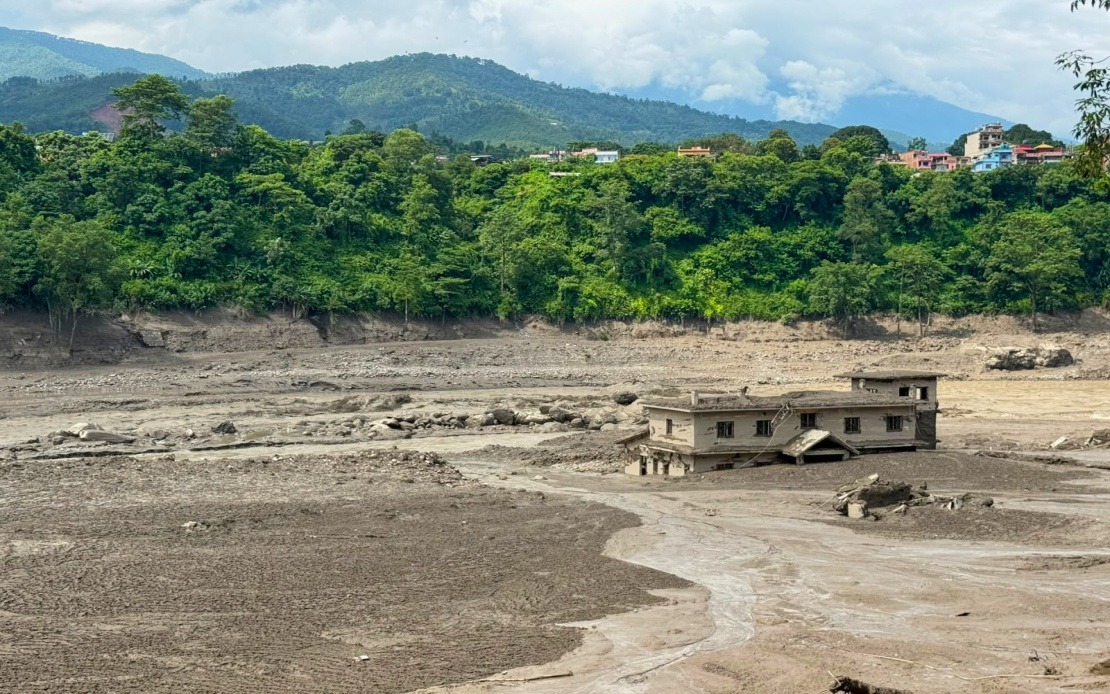
More than 380 tourists have vanished in the wake of devastating floods that swept through Nepal, prompting urgent search and rescue operations across affected regions. The Nepal Tourism Board confirmed on Wednesday that 384 travellers remain missing, comprising 291 foreign nationals and 93 Nepali citizens. The scale of the disappearances underscores the sudden and severe nature of the disaster, which caught many visitors off-guard during what should have been routine holiday activities across the country's popular trekking and tourism destinations.
Malaysian nationals are among those caught in the crisis, with 17 citizens unaccounted for following the natural disaster. The figure is particularly significant for Malaysia, highlighting how monsoon-related flooding in Nepal can directly impact Southeast Asian travellers who frequent the Himalayan nation for mountaineering expeditions, cultural tourism, and adventure activities. The Nepal Tourism Board stressed that the preliminary list of missing persons is based on agency-wide records compiled from tourism and travel operators working in the affected zones, and that verification efforts are ongoing to confirm identities and circumstances.
The geographical distribution of missing tourists reflects Nepal's appeal across multiple source markets. Indian citizens comprise the largest contingent with more than 100 unaccounted for, followed by 17 Malaysians. The board also reported 12 British nationals, four South Africans, three United States citizens, one Australian, and one Dutch citizen among the confirmed missing. An additional 111 people have been logged in the records, but their nationalities remain unverified as authorities work through the initial chaos and communication breakdowns typical of flood disasters.
The verification process underway demonstrates the complexity of managing large-scale tourism incidents in a developing nation. The Nepal Tourism Board is coordinating with travel agencies, licensed guides, local government authorities, and security forces to cross-reference missing person reports and establish accurate casualty figures. This inter-agency approach is crucial given that many tourists register with multiple providers, and some may have managed to reach safety without immediately notifying their tour operators. Initial reports often contain duplicates or confusion about whether individuals have survived and relocated.
Nepal's tourism infrastructure has been severely tested by the flooding. The country depends substantially on international and regional visitor spending, with trekking routes in the Himalayas and cultural heritage sites around Kathmandu Valley forming the backbone of this economic activity. Disruptions from natural disasters carry far-reaching consequences not only for immediate safety and rescue operations but also for the broader tourism economy that supports thousands of guides, porters, hospitality workers, and transport operators throughout the nation.
The disaster carries particular relevance for Malaysian and Southeast Asian travellers, many of whom regard Nepal as an accessible gateway to high-altitude mountaineering and spiritual tourism. Tour operators in Malaysia have likely suspended new bookings and are now engaged in contacting existing clients to verify their whereabouts and safety status. The incident will prompt reviews of emergency protocols and evacuation procedures among travel companies serving the region, potentially leading to stricter weather monitoring systems and earlier withdrawal of trekking groups when adverse conditions develop.
Downstream communities have been placed on high alert as authorities anticipate further water surges and secondary flooding risks. The initial flood waves that struck populated areas have prompted warnings about potentially dangerous conditions persisting for several days as water moves through river systems. This ongoing threat complicates rescue and recovery efforts, as searchers must contend with terrain made unstable by water damage, debris flows, and hazardous currents in mountain streams.
The missing persons cases highlight the inherent risks of adventure tourism in mountainous regions with unpredictable monsoon weather patterns. Trekking groups often operate across remote terrain with limited communication infrastructure, making them particularly vulnerable to sudden flash flooding that can develop with minimal warning. Groups caught in narrow valleys or river gorges may have limited escape routes, and darkness can render rescue operations extremely difficult and dangerous for emergency responders.
For the Malaysian government and the foreign ministry, the incident requires diplomatic coordination with Nepali authorities to ensure proper identification and repatriation of nationals. Consular services will be engaged in supporting families of missing persons and providing whatever assistance possible to survivors who may require medical care or evacuation. The experience also underscores the importance of travellers registering their itineraries with their embassies before embarking on potentially risky activities abroad.
The broader Southeast Asian tourism community is watching the situation closely, as Nepal's flooding joins a growing list of climate-related disasters affecting the region. Increasing rainfall intensity and unpredictable monsoon patterns have become more pronounced in recent years, affecting traditional tourism seasons and creating new hazards for operators and visitors alike. This incident will likely spur discussions among tourism boards across ASEAN nations about shared best practices for managing climate-related risks and improving emergency response coordination.

