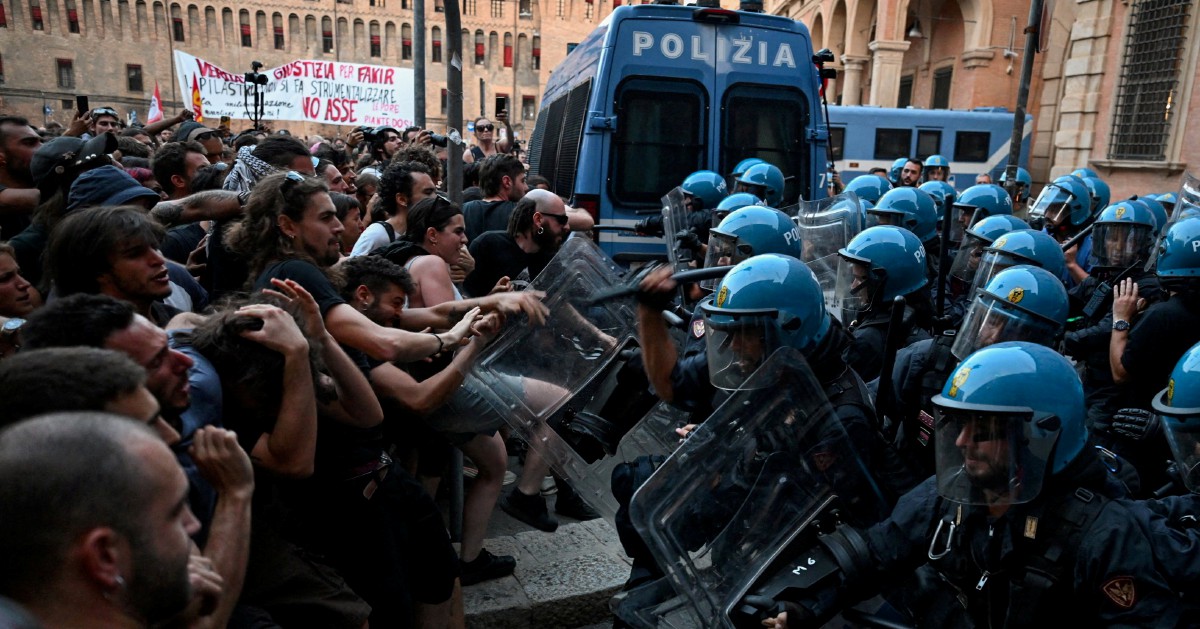
A Moroccan man's death while in police custody in Italy has become the focal point of escalating tensions between the two Mediterranean nations, with Morocco formally requesting comprehensive clarification of the circumstances surrounding the incident and Italian Prime Minister Giorgia Meloni pledging that authorities will pursue the truth through all available investigative channels.
The death has catalyzed widespread demonstrations across Italy as citizens and activist groups take to the streets to demand accountability and transparency from law enforcement authorities. The incident represents a sensitive moment in Italian-Moroccan relations, touching on long-standing concerns about the treatment of migrant communities and the conduct of police during arrests. For Malaysian observers, the episode underscores the complexities faced by nations attempting to balance internal security operations with international obligations regarding the protection of citizens abroad and the maintenance of diplomatic relationships.
Moroccan officials have adopted a formal posture, insisting that their government deserves thorough explanations and access to comprehensive information detailing how their national came to die while in Italian custody. This diplomatic positioning reflects broader anxieties within the Moroccan government about the welfare of its nationals living and working in European countries. The North African kingdom has significant diaspora populations throughout Europe, making such incidents matters of considerable domestic political importance and public concern.
Prime Minister Meloni's statement reflects the Italian government's recognition that the incident requires swift and credible investigation to prevent further diplomatic damage and to address domestic concerns about police conduct. Her explicit commitment to uncovering the full facts signals awareness that superficial or incomplete inquiries could fuel both international disputes and intensify internal protests. The Italian leadership understands that credibility is essential for maintaining domestic social cohesion and preserving relationships with significant trading and cultural partners.
The protests have drawn various constituencies across Italian society, from immigrant rights advocates to broader civil society organizations concerned with due process and the appropriate exercise of police authority. Such demonstrations reflect growing scrutiny of law enforcement practices in European nations, a phenomenon familiar to Southeast Asian observers where police conduct has similarly become a focus of public debate and activism.
The circumstances surrounding the arrest and subsequent death remain central to ongoing investigations. Italian authorities must now navigate the dual challenge of conducting a thorough domestic inquiry while simultaneously satisfying international demands for transparency. The manner in which Italy handles this case will establish precedent for how future incidents involving foreign nationals are managed, with implications extending throughout the European Union and beyond.
For Morocco, the incident touches on fundamental questions of how its citizens are treated beyond its borders. The government's formal demand for clarification reflects both protective instincts toward its nationals and broader concerns about whether migrants and foreign nationals in European countries receive equal protection under law. This dynamic resonates across the Global South, where citizens working abroad frequently remain vulnerable to disparities in legal protection and investigative rigour.
The political dimension of the incident cannot be overlooked. Italy's current government, led by the right-wing Brothers of Italy party, has made immigration and border control central to its political platform. How the administration responds to this incident will be scrutinized both domestically and internationally as an indicator of whether its stated commitment to rule of law extends equally to all persons within Italian jurisdiction, regardless of national origin.
Investigative authorities will likely examine the procedures followed during the arrest, the medical circumstances surrounding the death, and whether protocols were adhered to at each stage. Such inquiries typically demand examination of body camera footage, witness statements from both police personnel and bystanders, and autopsy results that can reveal whether death resulted from medical complications, physical force, or other factors. The transparency of these investigative processes will determine whether public confidence in the inquiry's conclusions can be established.
The incident also illuminates persistent challenges within European societies regarding integration, policing, and the treatment of marginalized communities. Moroccan migrants in Italy, like many immigrant populations across Europe, sometimes encounter systemic barriers and may be subject to heightened police scrutiny. When such encounters result in death, they inevitably trigger broader conversations about equity, justice, and institutional fairness that resonate throughout affected communities and their countries of origin.
From a regional Southeast Asian perspective, this situation demonstrates how incidents involving nationals abroad can rapidly escalate into significant diplomatic issues. Countries with substantial overseas populations, such as the Philippines and Indonesia, have faced similar situations requiring careful navigation between domestic legal processes and international diplomatic considerations. The Italian case provides instructive lessons about the importance of swift, credible investigations and transparent communication when such tragedies occur.
As investigations proceed, both Italian and Moroccan authorities face the challenge of restoring public confidence in institutions while maintaining diplomatic relations. The case will ultimately determine whether existing frameworks for investigating police conduct and protecting citizens' rights function adequately in contemporary European societies, with implications extending well beyond these two nations.

