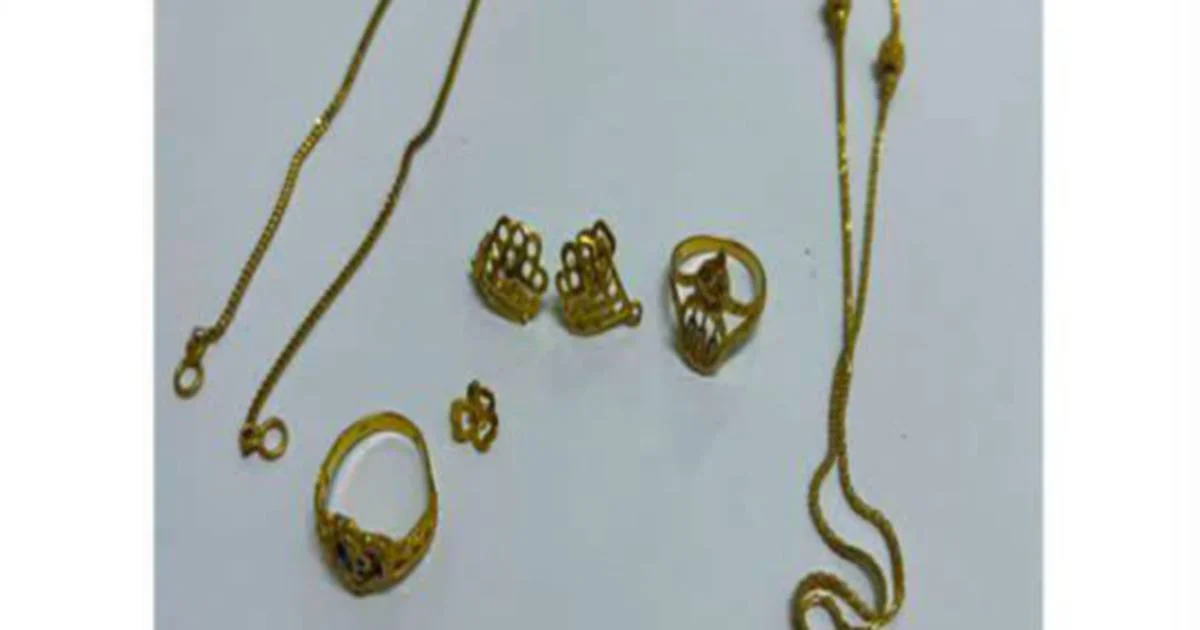
A brazen impersonation scheme has landed three family members in police custody in Ipoh following allegations that they posed as government welfare officers to extract jewellery valued at approximately RM8,000 from an unsuspecting elderly victim. The trio—a mother and her two adult children—were arrested after the woman reported the deception to the Perak Darul Ridzuan Police contingent, marking another instance of organised fraud targeting vulnerable demographics in the state.
The modus operandi employed by the suspects mirrors a growing category of scams that exploit the trust residents typically place in uniformed personnel and official representatives. By misrepresenting their identities as officers from the Social Welfare Department, the accused gained entry to the victim's residence under the pretence of conducting routine welfare checks or providing assistance related to government benefits. This approach proves particularly effective with elderly citizens who maintain ingrained respect for authority figures and governmental institutions.
The value of the stolen jewellery—approximately RM8,000—represents a significant loss for a pensioner, potentially comprising items of sentimental and financial importance accumulated over decades. Such thefts often cause lasting psychological trauma beyond the material deprivation, as elderly victims feel violated by the calculated betrayal of trust by individuals posing in official capacity. The incident illustrates how scammers methodically exploit the dignity afforded to government representatives to lower victims' natural defences.
Police investigations into the case are progressing, with authorities examining whether the three suspects operated independently or formed part of a larger organised fraud ring. The involvement of multiple family members suggests a coordinated operation with established roles and responsibilities, possibly with the mother directing younger accomplices. Such family-based criminal enterprises often distribute responsibilities to compartmentalise knowledge and complicate law enforcement tracking.
The Ipoh police have not disclosed specific details regarding how the suspects gained knowledge of their victim or whether they targeted the woman randomly or through prior reconnaissance. Understanding these aspects remains crucial for determining whether the con artists operated opportunistically or maintained systematic victim selection criteria based on known factors such as wealth indicators, property location, or vulnerable status.
Malaysian authorities have increasingly flagged the proliferation of impersonation schemes targeting seniors, particularly in states like Perak where an aging demographic concentration provides a substantial pool of potential victims. Such scams operate alongside telephone-based frauds and fake investment schemes that collectively drain millions of ringgit annually from the elderly population. The Perak case exemplifies how perpetrators diversify tactics by combining in-person contact with official guise to maximise authenticity and credibility.
The arrest underscores ongoing law enforcement operations designed to dismantle fraud networks preying on senior citizens, a demographic increasingly targeted by sophisticated criminal syndicates. These operations reflect growing recognition among police agencies that elderly Malaysians require enhanced protection despite their fundamental vulnerability. The detention in Ipoh represents tangible progress, yet experts caution that systemic fraud prevention requires community education initiatives extending beyond police intervention alone.
Family-based fraud operations present particular investigative challenges, as prosecutors must establish individual culpability while demonstrating collective conspiracy intent. The involvement of two adult children alongside the mother complicates sentencing considerations, as courts must weigh factors including relative participation levels, prior criminal history if any, and prospects for rehabilitation. Legal precedents in Malaysian jurisprudence provide guidelines for treating family-operated criminal enterprises, though sentencing discretion remains substantial.
Community protection agencies in Perak and neighbouring states should utilise the arrest as an opportunity to disseminate fraud awareness campaigns specifically targeting elderly residents. Simple preventative measures—such as verifying the credentials of unexpected official visitors through independent departmental hotlines—could substantially reduce victimisation rates. Many seniors, particularly those living alone, remain unaware of basic verification protocols or hesitant to display apparent distrust toward apparently authoritative figures.
The incident also raises questions regarding identification credential verification procedures employed by government departments. Legitimate welfare officers carry standardised identification bearing security features and contact information enabling verification. Elderly residents taught to scrutinise such credentials systematically—particularly requesting officers contact a known departmental number rather than trusting provided contact details—develop practical protective mechanisms against impersonation attempts.
Beyond the immediate case, the arrest highlights the need for coordination between police, social welfare authorities, and community organisations serving elderly populations. Systematic reporting protocols enabling seniors to flag suspicious visits could generate intelligence helping authorities identify emerging fraud patterns. Multi-agency taskforces in Malaysian states have demonstrated effectiveness in disrupting organised scam networks, suggesting continued investment in such collaborative frameworks warrants priority consideration.
The three suspects remain in custody pending further investigations and potential prosecution proceedings. If evidence substantiates the allegations, they would face charges under relevant sections of the Penal Code addressing fraud, impersonation, and organised crime depending on investigation findings. The case outcome may establish important legal precedents regarding sentences for impersonation-based fraud targeting vulnerable persons, potentially influencing sentencing guidelines for subsequent similar prosecutions throughout Malaysia.

