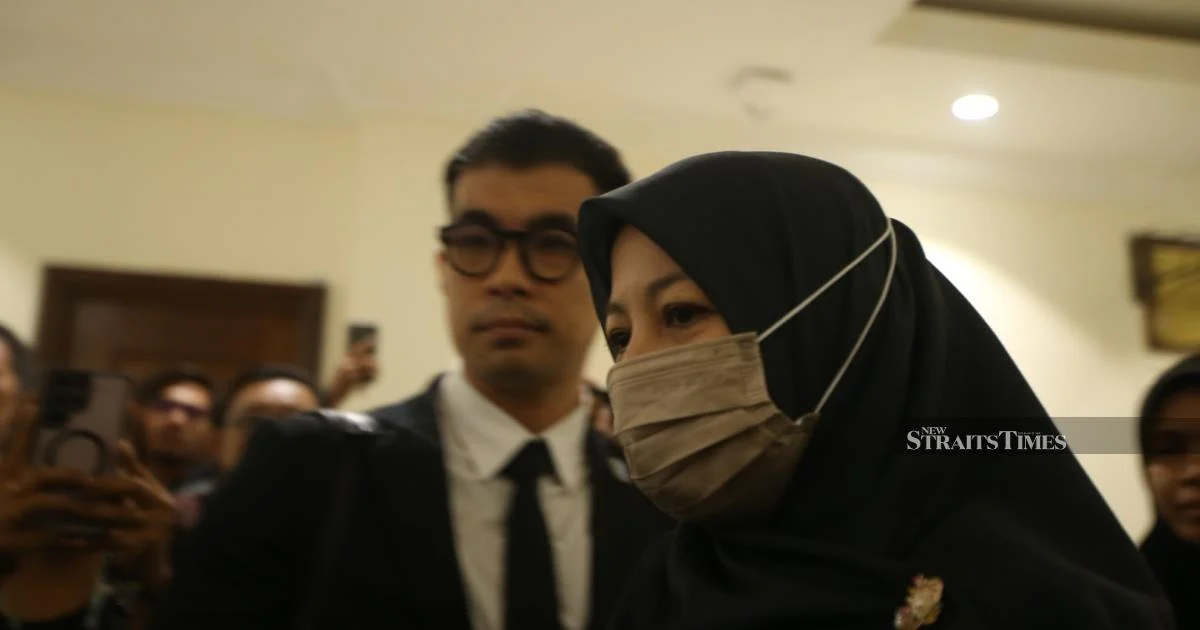
In a poignant moment during the inquest into the death of her daughter, Noraidah Lamat testified before the coroner's court in Kota Kinabalu that she had come to regret her decision to send Zara Qairinah Mahathir to SMKA Tun Datu Mustapha. The mother's candid admission emerged as the judicial examination into the circumstances surrounding the teenage girl's death progressed through the Sabah legal system.
The coroner's court proceedings have become a focal point for understanding what led to Zara Qairinah Mahathir's death and the conditions at the religious secondary school that educated her. Noraidah Lamat's testimony regarding her reservations about the educational institution where her daughter spent her final months underscores the broader questions being scrutinized through this legal process.
Inquest proceedings in Malaysia serve a critical investigative function, particularly when young people die under circumstances requiring official clarification. The coroner's role involves examining evidence and hearing from witnesses to establish facts about the cause and manner of death, while also identifying any systemic issues that may have contributed to the tragedy.
SMAK Tun Datu Mustapha is a religious secondary school in Kota Kinabalu, Sabah's capital. As a Islamic-focused educational institution, it serves students across the state and beyond. The school's environment and management practices have now become subject to official scrutiny through the coroner's proceedings.
The decision by parents to enrol their children in boarding schools or residential educational facilities involves careful consideration of factors including academic reputation, pastoral care systems, safety protocols, and overall school culture. Noraidah Lamat's eventual regret suggests that her initial expectations about what the school would provide may not have aligned with her experience once her daughter was enrolled.
Maternal regret expressed during formal legal proceedings carries significant weight. A parent's testimony that they wish they had made different educational choices for their child indicates that something within the school environment fell short of acceptable standards or failed to protect the student adequately. Such admissions often prompt investigations into institutional practices and may lead to recommendations for systemic improvements.
The circumstances surrounding Zara Qairinah Mahathir's death remain the central focus of the inquest, with the coroner tasked with determining what happened and whether any failures in duty of care occurred. Educational institutions, particularly boarding schools and Islamic-focused secondary schools, have a fundamental responsibility to ensure the physical and emotional wellbeing of students in their care.
For Malaysian families, this case highlights the importance of ongoing communication with schools and careful assessment of boarding institutions before enrolling children. The inquest process itself serves as a public accountability mechanism, ensuring that schools meet their obligations to student welfare and that any systemic shortcomings are identified and addressed.
The Sabah education community and parents across Malaysia will likely follow the coroner's findings closely, as they may inform broader discussions about school safety standards and the adequacy of pastoral care systems in residential educational settings. Such inquests often lead to specific recommendations that can improve practices across the education sector.
Regulatory bodies and school management committees use findings from coroner's courts to refine policies and implement stronger safeguarding measures. The public nature of these proceedings ensures transparency and demonstrates commitment to protecting young people in educational institutions.
Noraidah Lamat's expression of regret, while heartbreaking, represents an important part of the evidentiary record. Her perspective as the parent who made the enrollment decision carries crucial insights into the school's environment and whether it met fundamental expectations of safety and care.
The inquest into Zara Qairinah Mahathir's death will likely generate recommendations that extend beyond the specific circumstances of her case. Courts often use such proceedings to identify patterns or systemic issues that could affect other students, making their findings valuable for improving educational standards across the country.
As the legal process continues, the broader conversation about duty of care in educational institutions, particularly those serving young adolescents away from home, will remain an important consideration for policymakers, school administrators, and families throughout Malaysia.

