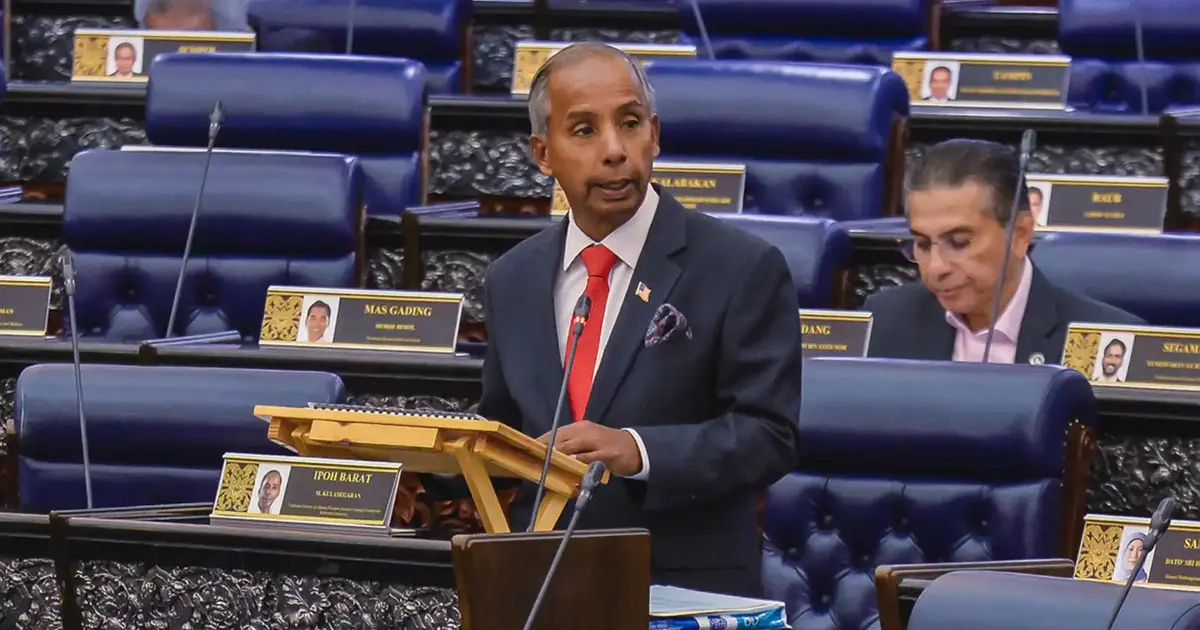
Lawmakers could potentially gain access to closed-circuit television recordings documenting the Taiping prison incident, according to remarks made by the deputy minister overseeing law and institutional reform matters. The possibility remains contingent on formal approval from the Cabinet, which has raised procedural and legal considerations before such sensitive security footage can be shared with parliamentarians.
The prospect of legislative oversight through direct viewing of the surveillance material reflects broader parliamentary interest in understanding the sequence of events that unfolded during the prison disturbance. Access to visual documentation would allow elected representatives to conduct their own assessment of the circumstances, response procedures, and security protocols that were deployed during the incident. Such transparency mechanisms are increasingly expected by both lawmakers and the public when significant incidents occur within state institutions.
The deputy minister's statement underscores the delicate balance required when handling sensitive institutional records. While parliamentary access promotes democratic accountability and legislative scrutiny of government operations, granting such access involves weighing competing interests related to national security, the integrity of ongoing investigations, and the protection of individuals featured in the footage. The requirement for Cabinet-level approval indicates this is not a routine administrative matter but one demanding high-level governmental consideration.
One significant complication in facilitating MP access involves the active court proceedings connected to the incident. Multiple legal cases stemming from the disturbance remain in progress, and releasing CCTV footage to parliament could potentially compromise judicial processes or influence proceedings still under deliberation. The courts, police investigations, and correctional authorities must all be considered when deciding whether and how to distribute such material, as premature or inappropriate disclosure could undermine legal proceedings or affect the rights of those involved.
The Taiping prison riot sparked substantial public concern and media scrutiny regarding conditions within Malaysia's correctional facilities, security measures, and the management of inmate populations. The incident raised critical questions about staffing levels, emergency response protocols, and the adequacy of infrastructure within the prison system. Parliamentary examination of documented events could inform future legislative discussions about prison reform, resource allocation, and safety standards across custodial institutions.
For lawmakers across the political spectrum, access to unedited visual evidence provides a more complete understanding than written reports or public statements alone can offer. Members representing constituencies with correctional facilities, those serving on relevant parliamentary committees, and those with particular interest in criminal justice reform have indicated keen interest in reviewing the actual sequence and circumstances of the disturbance. Such documentation serves as an objective record independent of any single institution's interpretation or presentation.
The Cabinet approval process itself will likely involve consultations among multiple government departments with relevant responsibilities and authorities. The Ministry of Home Affairs, which oversees the prison system, would naturally be involved alongside the Law Ministry. The Attorney General's Chambers would need to assess legal implications, while security agencies might raise concerns about operational sensitivities. This multi-layered approval requirement reflects the genuine complexity surrounding the matter.
International practice on parliamentary access to security footage from significant incidents varies considerably. Some democracies routinely grant legislators access to classified or sensitive materials through appropriate channels and under controlled conditions, while others maintain stricter compartmentalization. Malaysia's approach will likely establish precedent for how parliamentary oversight is balanced against security and legal considerations in future institutional crises.
The deputy minister's conditional phrasing—indicating that access is possible rather than certain—suggests the government is still evaluating the appropriate course of action. The coming weeks will be crucial as stakeholders convey their positions to Cabinet decision-makers. Prison authorities may present arguments about operational security concerns, while parliamentary leadership may emphasize the importance of legislative oversight and accountability.
For Malaysian citizens and regional observers monitoring institutional transparency in the country's justice system, this matter exemplifies the ongoing tension between maintaining institutional security and enabling democratic scrutiny. How the government ultimately resolves this question will signal the degree to which it prioritizes legislative oversight of sensitive government operations, and could influence expectations around parliamentary access to other institutional records in future incidents.
The resolution of this issue extends beyond the immediate question of footage access. It touches on fundamental questions about parliamentary prerogatives, the government's commitment to transparency, and the mechanisms through which elected representatives can effectively oversee executive operations. Should Cabinet ultimately approve MP access, it could strengthen legislative confidence in the government's willingness to operate under genuine democratic accountability.

