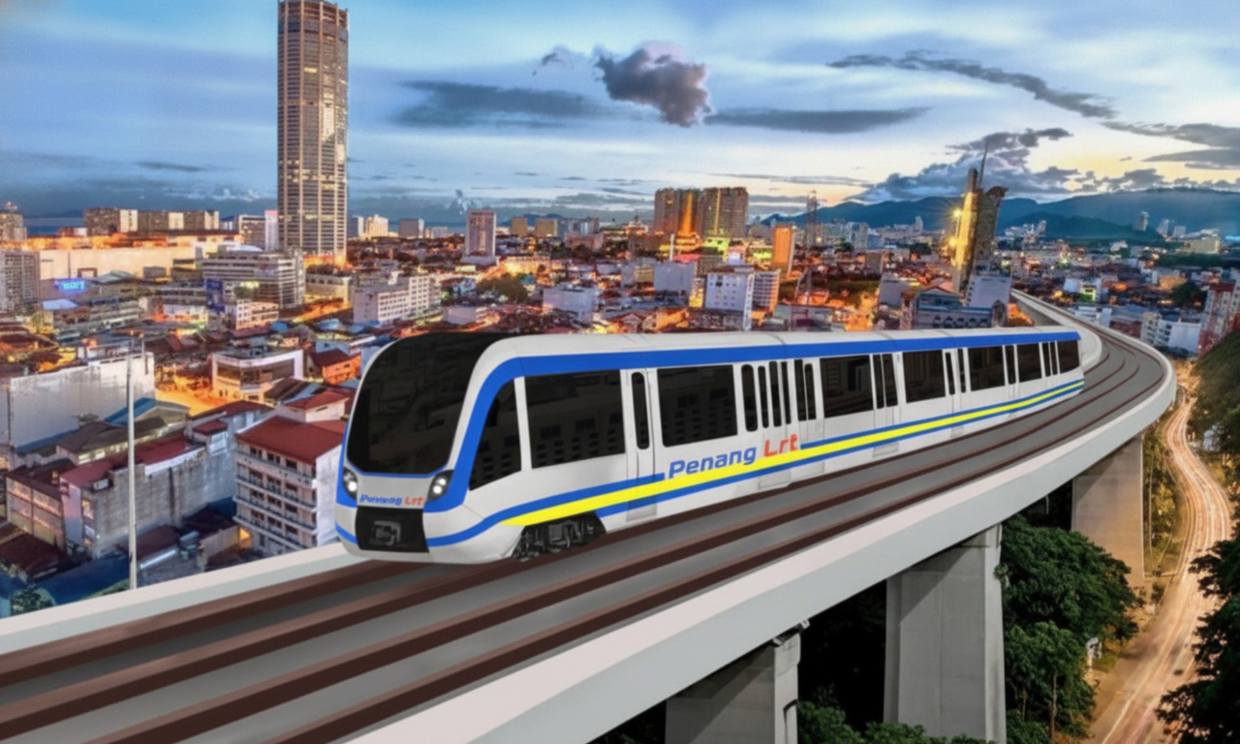
Malaysian Resources Corp Bhd (MRCB) has clinched a RM3.028 billion contract to deliver the comprehensive railway systems package for the Penang Light Rail Transit (LRT) Mutiara Line, a landmark infrastructure development that underscores the company's growing presence in major transportation projects across the region. The contract, announced through a Bursa Malaysia filing, represents a substantial order book addition for MRCB and reflects confidence in the firm's technical capabilities for delivering complex rail infrastructure.
The joint venture partnership, structured as a 90:10 unincorporated arrangement with Theta Edge, will assume responsibility for a sprawling mandate extending 68.8 months. This extended timeline reflects the comprehensive nature of the work, which encompasses not merely the procurement and installation of physical assets but also the intricate processes of design refinement, rigorous testing protocols, systems commissioning and ongoing maintenance support. The scope encompasses all critical rail transit infrastructure elements: rolling stock procurement, advanced signalling systems, electrical power distribution networks, multi-modal telecommunications frameworks and integrated ticketing platforms.
The Penang LRT Mutiara Line represents a transformational investment in the island state's public transport infrastructure, aimed at alleviating traffic congestion and providing commuters with a modern, efficient alternative to road-based travel. For MRCB, the contract provides exposure to a stable, government-backed infrastructure pipeline that aligns with Malaysia's broader commitment to developing integrated rapid transit systems across major urban centres. The project's implementation will span several years, ensuring sustained revenue contribution and capital deployment opportunities for the group.
MRCB's track record in delivering large-scale infrastructure projects has positioned the company as a capable partner for complex engineering undertakings. The firm's accumulated experience in project execution, stakeholder management and technical delivery across various infrastructure domains provides a foundation for managing the inherent complexities of modern rail transit systems. This contract success also validates the company's strategic positioning within Malaysia's infrastructure renaissance, where government initiatives continue to drive substantial investment in connectivity and mobility solutions.
The financial implications for MRCB Group appear promising according to management commentary. The company has indicated that the Penang LRT railway systems contract will contribute positively to future earnings, though the extended payment and delivery cycle means that revenue recognition will occur progressively across the contract period rather than as a lump sum. This staged revenue flow will provide earnings visibility and support the company's financial forecasting over the medium term, benefiting shareholders through more predictable profit trajectories.
Like all major infrastructure contracts, the assignment carries inherent commercial risks that require active management. Material price volatility, particularly for specialised rail equipment and electronic components, represents a material consideration given global supply chain uncertainties and currency fluctuations affecting imported inputs. Equipment delivery schedules could face disruption from international logistics challenges or manufacturing delays at specialist suppliers. MRCB has acknowledged these normal construction sector risks in its regulatory disclosures, indicating that the company is adopting a measured approach to risk assessment rather than downplaying potential obstacles.
The company's mitigation strategy relies on established internal frameworks and operational procedures honed through previous infrastructure deliveries. MRCB's existing control mechanisms, procurement protocols and project management systems are expected to absorb or manage most foreseeable construction-phase challenges. The firm's ability to navigate materials sourcing, coordinate with subcontractors and maintain schedule discipline will prove critical to financial performance and stakeholder satisfaction across the contract lifecycle.
Market sentiment regarding the contract award proved immediately positive, with MRCB's share price rising one sen or 3.23% to close at 32 sen at the midday trading break. The joint venture partner Theta Edge experienced notably stronger momentum, surging 14 sen or 25.45% to 69 sen, reflecting investor recognition of the opportunity's value and the strategic significance of the infrastructure win. The divergent price movements between the two entities highlight how joint venture allocations influence valuation perceptions, with Theta Edge's majority stake accruing disproportionate upside benefit relative to its smaller equity position.
The Penang LRT Mutiara Line contract assumes broader significance within Malaysia's transportation infrastructure strategy. The northern region's growing urbanisation and economic activity have created pressing demand for modern public transit solutions that can integrate seamlessly with existing networks whilst accommodating future passenger growth. MRCB's involvement in this initiative reflects the company's commitment to participating in transformative projects that shape urban mobility patterns across Southeast Asia's growing metropolitan centres.
For Malaysian investors and infrastructure-focused funds, the contract award demonstrates that domestic construction and engineering firms can successfully compete for and execute sophisticated rail transit projects comparable to international standards. This capability development strengthens the competitive position of Malaysian firms within the regional infrastructure marketplace and reduces reliance on foreign contractors for domestically-funded projects. As regional governments increasingly prioritise public transport investment, firms like MRCB and their joint venture partners are positioned to capture expanding opportunities across Southeast Asia's bustling urban corridors.

