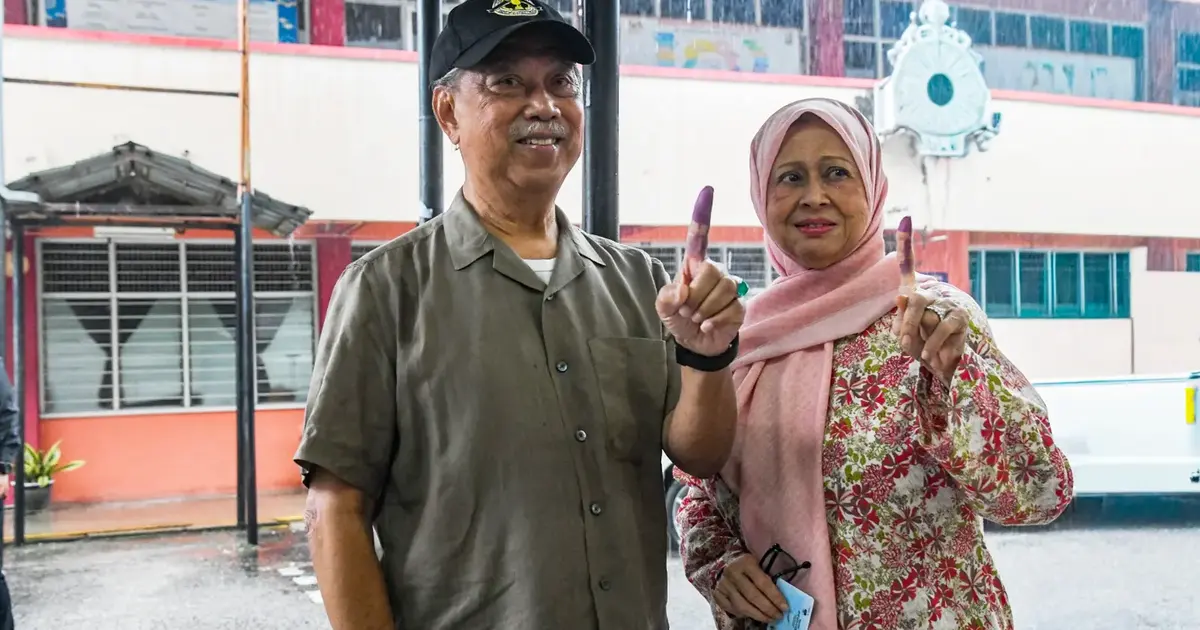
Bersatu president Muhyiddin Yassin has sought to minimise the fallout from the resignation of Perlis's Menteri Besar and a state executive council member from the party's Supreme Council, signalling that internal mechanisms will address the development without external escalation. The party leader's measured response suggests an attempt to contain potential damage to Bersatu's cohesion, particularly in a state where the party holds executive power through the chief minister's office.
The departure of senior figures from the party's highest decision-making body represents a notable fracture within Bersatu's leadership hierarchy. In Malaysian politics, positions on such councils typically reflect both prestige and substantive influence over party direction, making their voluntary relinquishment a statement of dissatisfaction or strategic repositioning. The timing and nature of these resignations warrant scrutiny, as they may signal deeper disagreements over party policy, resource allocation, or leadership direction that have not yet surfaced publicly.
Muhyiddin's stance reflects a broader pattern in Malaysian politics where senior party leaders attempt to frame internal departures as routine administrative matters rather than signals of institutional weakness. By indicating that he is awaiting a comprehensive report before formulating a response, the Bersatu president has deliberately chosen a holding position that avoids immediate confrontation while preserving his authority to act decisively once all facts are documented. This approach allows space for behind-the-scenes negotiations while presenting a facade of calm organisational functioning to party members and potential coalition partners.
The Perlis dimension adds particular complexity to this situation. The northern state has represented a stronghold for Bersatu since the party's formation, and the Menteri Besar position carries significant weight within the party's overall electoral mathematics. Any instability in Perlis threatens to reverberate across Bersatu's broader coalition strategies, particularly as the party navigates its positioning within Malaysia's complex multi-coalition political landscape. The loss of cohesion among top-tier state leaders could embolden rivals within the federal government or opposition blocs.
For Malaysian observers of party politics, such developments illuminate the ongoing tension between personal ambition, ideological commitment, and factional loyalty that characterises contemporary political movements. Bersatu, formed relatively recently as a breakaway from the United Malays National Organisation, has experienced several internal reorganisations and membership fluctuations. These resignations from the Supreme Council may reflect broader anxieties about the party's long-term direction and viability within national coalition politics.
The decision to resolve the matter internally rather than through public statements or formal disciplinary procedures suggests that Muhyiddin perceives the situation as manageable through quiet diplomacy. Malaysian political culture has long favoured backroom negotiations and consensus-building over public disputes, a tradition that Muhyiddin appears to be invoking here. However, such approaches carry inherent risks: if underlying grievances remain unaddressed, further departures or defections could follow, each one potentially eroding the party's credibility and coherence.
The Supreme Council functions as Bersatu's apex decision-making body, responsible for setting strategic direction and overseeing party discipline. Members typically include the party president, senior ministers, menteri besar, and other high-ranking figures. Resignations from this body, particularly from serving menteri besar, are relatively unusual and suggest that the departing members have reached a threshold of disagreement with prevailing council decisions or overall party trajectory. This may relate to issues ranging from coalition partner relationships to resource distribution or positioning for future elections.
For Southeast Asian observers, Bersatu's internal dynamics carry relevance beyond Malaysia's borders. The party represents a significant component of Malaysia's ruling coalition structure, and any fracturing of its unity could have ramifications for regional political stability and the broader Malay-Muslim political consensus that influences ASEAN affairs. Coalition instability in major Southeast Asian economies frequently generates spillover effects on governance quality and policy consistency.
Muhyiddin's invocation of an internal resolution pathway also reflects practical political calculation. Public airing of grievances could invite intervention from coalition partners or the opposition, creating leverage that the departing leaders might exploit for concessions. By maintaining confidentiality and pursuing internal channels, the Bersatu president preserves his negotiating leverage and reduces the political cost of any eventual settlement or restructuring.
The coming weeks will prove telling regarding whether Muhyiddin's measured response successfully contains the situation or whether additional resignations and public statements signal deeper instability. The manner in which the full report is handled and what actions, if any, follow its presentation will reveal much about the real state of unity within Bersatu's senior ranks. For now, the party leadership has chosen patience and discretion over confrontation, betting that internal dynamics can resolve themselves without necessitating formal disciplinary action or public acrimony that might weaken the party's political position ahead of potential electoral contests.

