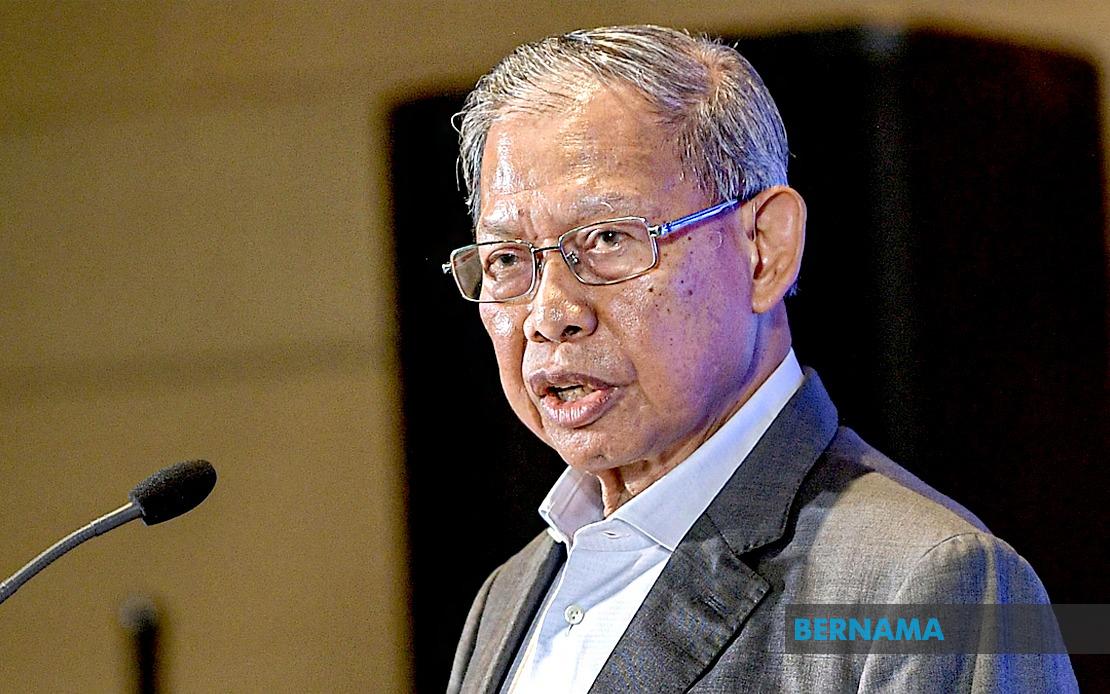
Datuk Seri Mustapa Mohamed has formally withdrawn from electoral politics, declaring that he will not seek a seat in the 16th General Election and insisting instead that younger, more energetic leaders should step forward to guide UMNO into the future. The former Jeli Member of Parliament made this announcement during an event in Pasir Mas celebrating his homecoming to the party and the nation's Independence Month, signalling a decisive shift toward mentorship rather than direct political engagement.
At 76 years old, Mustapa framed his decision within the context of physical limitations and generational responsibility. He acknowledged that his capacity for the rigorous demands of campaigning and parliamentary representation has naturally diminished, but more importantly, he articulated a philosophical position that UMNO must recognise the potential and merit of its younger cadres. This stance reflects an understanding increasingly common among veteran politicians that prolonging one's tenure beyond peak effectiveness ultimately disadvantages the party and deprives emerging talent of opportunities to prove themselves.
Mustapa's comments carry particular weight given his stature within UMNO and Malaysian politics more broadly. As a former Minister of International Trade and Industry, he represents a generation of technocrats who shaped Malaysia's economic policies during crucial decades. His explicit endorsement of generational transition could influence how other senior UMNO figures approach their own political futures, potentially reshaping the party's leadership pipeline ahead of elections that remain years away but command intense strategic attention.
The journey that brought Mustapa to this moment deserves consideration. He departed UMNO in September 2018 to join Bersatu, a move that reflected the profound political upheaval of that era when Mahathir Mohamad's coalition swept to power. His return to UMNO in June of this year completed a full circle, demonstrating either personal conviction that the party offered the best vehicle for his remaining contributions or perhaps pragmatic acknowledgement of where political influence and relevance ultimately resided. Either interpretation underscores the fluidity of Malaysian politics and the complex calculations driving senior figures' partisan commitments.
Rather than viewing his exit from electoral competition as a withdrawal from public life, Mustapa articulated a nuanced vision of continued engagement. He indicated his intention to support younger UMNO colleagues through mentoring, strategic advice, and intellectual contributions drawn from decades of ministerial and diplomatic experience. This reflects a recognition that the knowledge accumulated through years navigating complex economic and trade negotiations represents an asset that need not be abandoned simply because electoral viability has diminished.
Academic institutions emerged as another venue through which Mustapa plans to remain influential. By engaging with students at Malaysian universities, both public and private, he positions himself within the intellectual sphere where policy ideas germinate and future leaders develop their understanding of governance. This avenue gains significance when considering that Malaysia's policy frameworks often reflect inputs from academics and former government officials who serve on various advisory bodies and consultative councils. Mustapa's willingness to share accumulated knowledge with younger scholars could indirectly shape Malaysia's policy direction for years beyond his formal political retirement.
The timing of Mustapa's announcement also merits analysis within UMNO's broader strategic context. The party has faced ongoing questions about its capacity to renew and attract younger voters, particularly following the 2018 electoral defeat that exposed vulnerability among first-time and younger-age voters. Statements from senior figures explicitly calling for generational transition potentially help reframe UMNO's image from a party clinging to aging leadership toward one consciously nurturing new talent. Whether such messaging translates into meaningful structural changes remains uncertain, but the rhetorical positioning matters in competition for voter attention and party membership recruitment.
Mustapa's emphasis on Malaysia's need to regain excellence suggests his continued concern extends beyond partisan UMNO interests to national performance. This framing allowed him to contextualise his own step backward as part of a larger imperative for institutional health and national rejuvenation. The implication that Malaysia has, in some meaningful dimension, lost excellence carries weight from someone who occupied senior ministerial positions when the country ranked among Asia's more dynamic economies. Such observations from respected figures often catalyse broader conversations about national direction and governmental effectiveness.
The "Welcome Home" event itself carried symbolic significance, suggesting that Mustapa's return to UMNO had been sufficiently momentous to warrant ceremonial acknowledgement. This treatment indicates that despite his age and announced retirement from electoral politics, UMNO leadership continues to regard him as a figure of consequence. The differential between his electoral withdrawal and his institutional relevance reflects how Malaysian politics distinguishes between formal office-holding and influence exerted through advisory capacities, party structures, and intellectual engagement.
Mustapa's position on younger leaders assuming responsibility aligns with rhetoric increasingly common among UMNO's senior cohort, though commitment to actual implementation remains inconsistent across the party. His explicit framing that young leaders "deserve the opportunity" frames generational transition as a matter of fairness and recognition rather than strategic calculation, though both motivations likely coexist. This language potentially increases pressure on UMNO's decision-making bodies to ensure that candidate selection and leadership appointments genuinely reflect a commitment to youth advancement rather than merely paying homage to the concept.
For Malaysian observers, Mustapa's announcement contributes to a broader narrative about how Malaysia's political establishment manages generational transitions during an era when multiple parties simultaneously confront succession questions. The country's coalition politics, with UMNO's prominent role, will significantly shape how effectively this transition occurs. Mustapa's willingness to step aside and actively encourage others to step forward establishes a model that could either encourage similar conduct among peers or, conversely, highlight by contrast the reluctance of other senior figures to cede space to rising politicians.
Looking forward, the substance of Mustapa's continued engagement will likely determine whether his retirement from electoral politics represents a genuine transition or merely a reallocation of influence. If his mentoring relationships with younger UMNO politicians prove substantive and if his academic contributions generate meaningful policy influence, then his model demonstrates that political relevance need not depend on holding elected office. Alternatively, if his post-electoral activities remain peripheral, his example may inadvertently reinforce perceptions that real power in Malaysian politics concentrates among those actively holding parliamentary seats.

