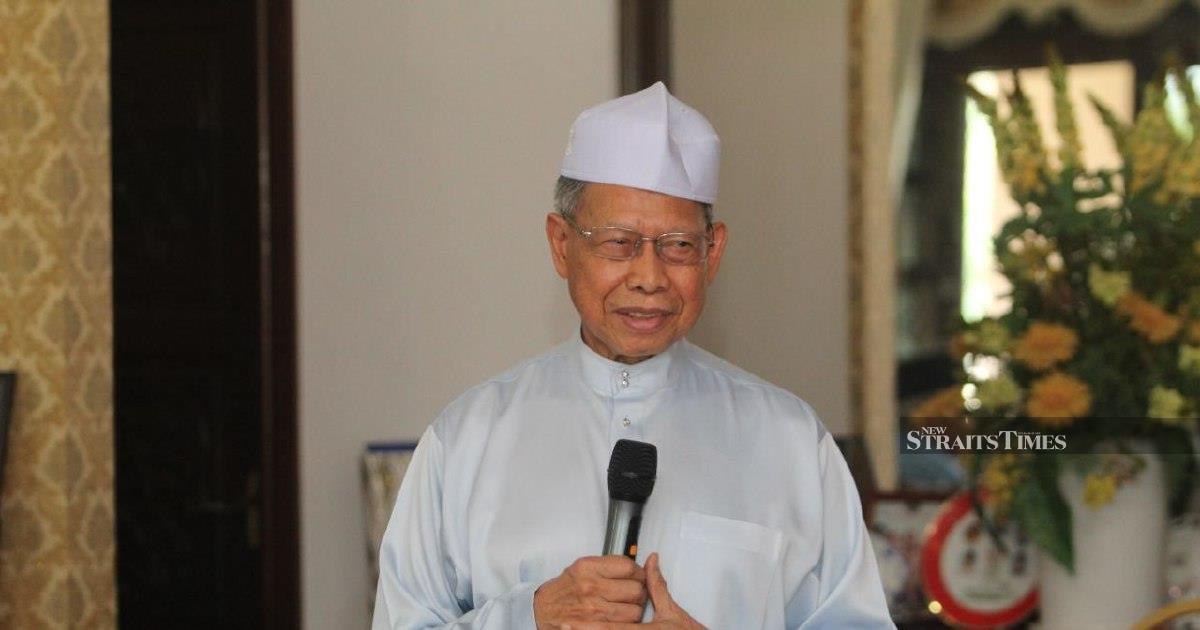
Datuk Seri Mustapa Mohamed, the former member of parliament for Jeli who only recently returned to Umno, has definitively stated that he will not be seeking a parliamentary seat in the upcoming general election. Speaking from Pasir Mas, the veteran politician made clear that his decision reflects personal circumstances rather than any shift in political allegiance or party commitment.
The former lawmaker's withdrawal from electoral competition marks a significant moment in Malaysian politics, particularly given the timing of his recent reaffiliation with the ruling party. Mustapa Mohamed had previously left Umno but has now formally rejoined its ranks, signalling his continued engagement with the organisation despite stepping back from direct electoral participation. This distinction between party membership and candidacy reveals the complex calculations senior politicians must navigate as they approach the later stages of their careers.
Central to Mustapa Mohamed's decision is his acknowledged health situation. The politician has been forthright about the physical limitations he currently faces, describing difficulties with basic mobility that he feels would make the rigours of campaigning and parliamentary service impractical. Such candour about health constraints contrasts sharply with the typical political narrative, where aging leaders often remain coy about their wellbeing. His willingness to speak openly about these challenges suggests a pragmatic assessment of what the demands of elected office would require.
The implications of this announcement ripple through Umno's electoral calculations for the forthcoming general election. Senior figures stepping aside creates space for newer generation politicians to establish their credentials, yet simultaneously removes experienced figures from the party's roster. For constituencies like Jeli, which Mustapa Mohamed previously represented, the party must now identify alternative candidates capable of maintaining the seat within its traditional base of support.
Mustapa Mohamed's career trajectory demonstrates the evolution of Malaysian politics over recent decades. His long tenure in parliament and subsequent experience outside the legislature provided him with substantial influence within party structures and policy circles. By remaining involved with Umno following his recent return, he maintains avenues to shape the organisation's direction without the specific demands that an electoral campaign and parliamentary seat would impose. This allows him to contribute his experience and networks to the party's broader strategic initiatives.
The timing of his return to Umno and his simultaneous withdrawal from electoral candidacy also reflects generational transitions occurring within Malaysia's political establishment. The need to balance continuity with renewal has become increasingly urgent for ruling coalition parties seeking to demonstrate vitality to voters while retaining institutional memory and networks. Senior figures like Mustapa Mohamed can fulfil mentoring roles, serve on party committees, and advise on policy matters without personally taking on the endurance test of electoral competition.
For Malaysian voters and observers monitoring Umno's preparations for the general election, this announcement underscores how health and personal circumstance remain driving factors in political careers, notwithstanding media narratives focused primarily on factional maneuvering and ideological positioning. Politicians ultimately remain human beings subject to the same physical limitations as ordinary citizens, though their public roles often obscure this reality.
Mustapa Mohamed's stance may also provide cover for other senior politicians considering their own electoral futures. By articulating a clear, health-based rationale for non-participation, he establishes a template that other experienced figures might reference should they reach similar conclusions. This could facilitate smoother transitions within the party's leadership structure and forestall speculation about leadership crises or factional disputes that sometimes accompany senior retirements.
The broader context of Umno's electoral strategy cannot be separated from generational questions affecting Malaysian politics more broadly. As the party approaches another general election cycle, it must balance the electoral appeal of established figures against the necessity of integrating newer voices capable of connecting with younger voters. Candidates like those who will now contest Jeli must therefore demonstrate not only their capacity to maintain traditional support bases but also their ability to expand appeal among demographics that may view Umno differently than older voters do.
Looking ahead, Mustapa Mohamed's explicit commitment to remaining within Umno despite declining electoral candidacy suggests he intends a continuing role within party structures. Whether this involves formal positions, advisory capacity, or informal mentoring arrangements remains to be clarified, but his statement firmly positions him as someone withdrawing from electoral combat while remaining engaged with political organisation. This distinction will likely define how he spends his subsequent years within Malaysian politics.

