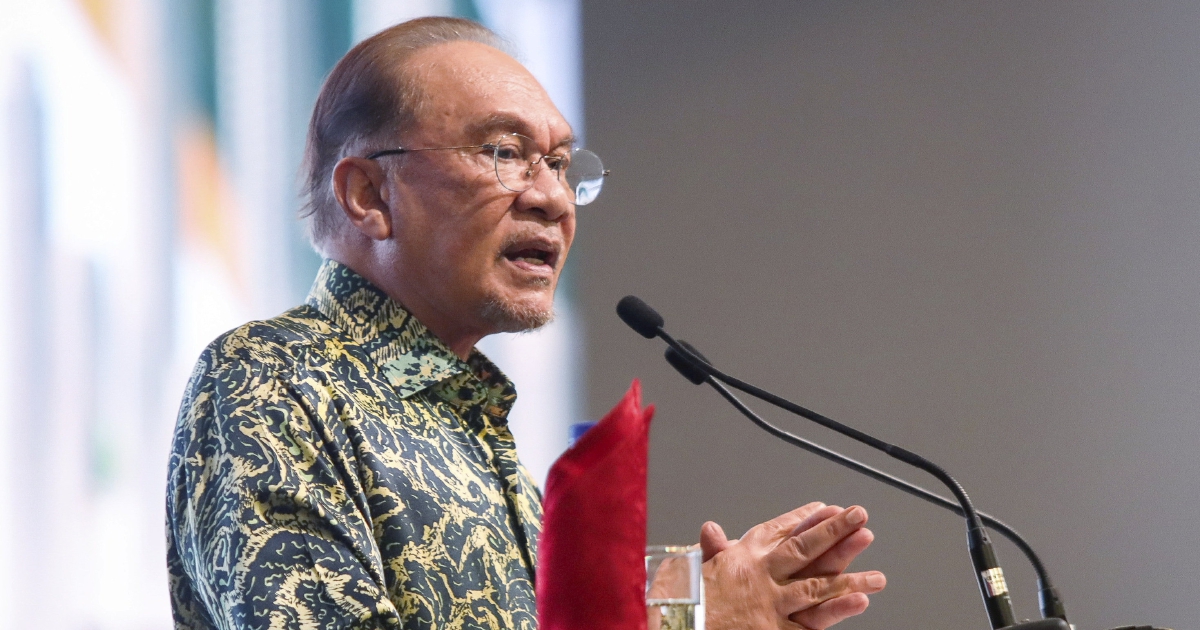
Malaysia has secured a critical agreement with Myanmar to repatriate an initial batch of 5,000 Rohingya refugees currently sheltering within its borders, Prime Minister Datuk Seri Anwar Ibrahim announced during remarks made in Jelebu. The arrangement represents a considerable diplomatic achievement for Kuala Lumpur, which has emerged as one of the primary destinations for Rohingya fleeing persecution in Myanmar's Rakhine State since a military crackdown in 2017 displaced over 700,000 members of the stateless ethnic minority.
The repatriation initiative addresses mounting domestic pressures within Malaysia, where the Rohingya population has swelled to become one of the world's largest diaspora communities outside of refugee camps. Official figures suggest more than 180,000 Rohingya currently reside across Malaysia, though activist groups contend the actual figure may exceed 200,000 when accounting for unregistered individuals. This demographic concentration has generated considerable strain on Malaysia's social services, healthcare systems, and labour markets, particularly in urban centres like Kuala Lumpur and Penang, where informal settlements have expanded substantially over the past six years.
The bilateral negotiations underscore a shift in Malaysia's approach to the humanitarian crisis, moving beyond the traditional posture of providing temporary sanctuary toward actively facilitating voluntary returns. The Malaysian government has long maintained that while it serves as a crucial transit point and temporary shelter, the ultimate responsibility for the Rohingya lies with Myanmar as their country of origin and with the international community to provide material support and diplomatic pressure. Anwar's announcement signals growing consensus within ASEAN capitals that managed repatriation, coupled with improved security conditions in Rakhine State, offers the most pragmatic pathway forward for resolving one of Asia's most intractable displacement challenges.
The repatriation process will likely unfold through phased tranches rather than a sudden mass movement, allowing Myanmar's authorities to establish reception infrastructure and conducting verification procedures. Previous attempts at facilitating Rohingya returns have encountered substantial obstacles, including concerns about the safety of returnees, the absence of functional governance structures in affected regions, and allegations of forced deportations when authorities have expedited repatriations without securing adequate safeguards. The Malaysian government has emphasised that any repatriation must remain entirely voluntary and transparent, with returnees receiving full documentation and guarantees of security before crossing the border.
Myanmar's formal acceptance represents a noteworthy development given the country's previous reluctance to engage comprehensively with bilateral partners on this issue. The Naypyidaw government has historically maintained that security concerns in Rakhine State necessitate restricted repatriation movements, citing ongoing tensions between Rohingya communities and local Rakhine Buddhist populations. Myanmar has simultaneously disputed international characterisations of the 2017 military campaign, with officials framing the operations as counter-insurgency measures rather than communal persecution. The agreement with Malaysia suggests a recalibration of this position, potentially reflecting recognition that ongoing international isolation and sanctions carry significant economic costs that diplomatic engagement with Southeast Asian neighbours might help mitigate.
The timing of this announcement holds particular significance for Malaysia's domestic political landscape. The government faces escalating public concern regarding resource allocation for refugee services amidst competing demands for education, healthcare, and employment opportunities for Malaysian citizens. Several political parties and civil society groups have intensified criticism of the administration's handling of the Rohingya situation, arguing that the burden-sharing arrangement represents an inequitable burden placed upon Malaysia while wealthier nations with greater capacity to absorb refugees have remained largely indifferent. The repatriation agreement offers Anwar's administration a tangible policy outcome to present to sceptical constituencies whilst maintaining humanitarian credibility internationally.
Implementing this arrangement will require establishing robust coordination mechanisms between Malaysian and Myanmar authorities, including independent monitoring arrangements to verify voluntary consent and ensure adherence to international humanitarian standards. The international community, particularly UNHCR and neighbouring ASEAN states including Thailand, Indonesia, and Bangladesh, will closely scrutinise the process to identify any coercive elements or breaches of fundamental protections. Bangladesh, which hosts approximately 900,000 Rohingya in sprawling camps in Cox's Bazar, has also pursued repatriation discussions with Myanmar, though progress remains limited by similar security and verification complications.
The agreement's success will significantly influence broader regional approaches to displacement management in Southeast Asia. If executed transparently with demonstrated voluntary participation and improved security outcomes, the Malaysia-Myanmar model could provide a template for addressing other protracted refugee situations across the region. Conversely, should repatriations encounter difficulties or generate fresh protection concerns, the initiative could undermine confidence in future bilateral arrangements and strengthen the position of those advocating for indefinite third-country asylum processing rather than returns to origin.
For Malaysia specifically, this repatriation arrangement offers potential relief from the humanitarian and administrative pressures accompanying its role as host to one of Asia's largest undocumented populations. However, observers note that five thousand represents only a fraction of Malaysia's Rohingya population, suggesting that even successful implementation of this initial phase would require substantially larger subsequent tranches to meaningfully reduce overall displacement figures. The extent to which Myanmar can absorb returning populations at accelerated rates will ultimately determine whether this breakthrough generates lasting transformation in the regional crisis landscape or represents merely incremental progress within an enduring humanitarian challenge.

