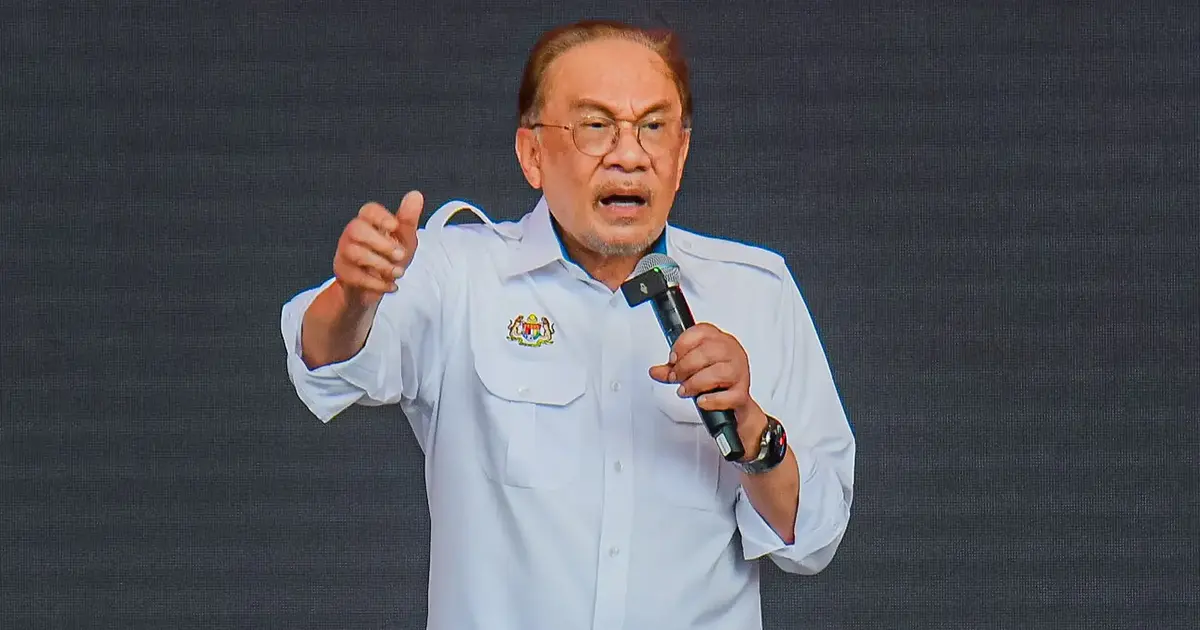
Prime Minister Anwar Ibrahim announced that Myanmar has consented to accept 5,000 Rohingya currently residing in Malaysia, marking what he characterised as an opening move in resolving one of Southeast Asia's most intractable humanitarian challenges. The agreement represents a significant diplomatic development, though substantial questions remain about implementation timelines, security guarantees, and the broader trajectory of repatriation efforts affecting the wider Rohingya population displaced across the region.
The Malaysian premier framed the arrangement not merely as a bilateral transaction but as a measured approach intended to tackle a multifaceted problem that has strained the country's resources and tested public tolerance. Malaysia, already hosting approximately 177,000 registered Rohingya refugees alongside an unknown number of undocumented arrivals, has become the primary refuge for those fleeing persecution in Myanmar's Rakhine State. The sheer scale of the displacement—stemming from military operations that human rights organisations characterise as ethnic cleansing—has created unprecedented pressures on Malaysian infrastructure, employment markets, and social cohesion.
Anwar's characterisation of this development as an "initial step" underscores the incremental nature of the commitment. The figure of 5,000 represents approximately 2.8 per cent of the Rohingya population currently in Malaysia, suggesting that even if successfully executed, this agreement addresses only a fraction of the humanitarian and administrative burden the country bears. The phrasing indicates room for expansion, contingent presumably on how smoothly the initial batch proceeds and whether conditions in Myanmar improve sufficiently to warrant larger movements.
The public order dimension cited by the Prime Minister reflects domestic political realities often overlooked in international coverage of the refugee crisis. Malaysia's plural society has witnessed occasional tensions between local communities and refugee populations competing for jobs and resources, particularly in urban centres like Kuala Lumpur and George Town. Pressure from Malaysian constituencies concerned about wages, housing, and public services has created a political imperative for visible progress on managing refugee numbers, even as humanitarian obligations and regional stability considerations pull in opposite directions.
Myanmar's willingness to engage represents a diplomatic achievement given the country's international isolation following the February 2021 military coup. The junta has historically resisted international pressure on the Rohingya issue, instead blaming Bangladesh and international actors for encouraging migration. That Naypyidaw has now committed to accepting returning populations—even if limited in number—suggests either shifting calculations about international relations or confidence that repatriation can proceed under conditions favouring state control and monitoring.
However, the pathway to actual repatriation remains fraught with challenges that have defeated previous attempts at organised return movements. Rohingya communities have expressed profound reluctance about returning without ironclad guarantees of citizenship rights, freedom of movement, and protection from further military violence. The Myanmar government has offered limited assurances on these fronts, instead proposing to settle returnees in camps or designated areas that critics argue amount to containment rather than genuine reintegration into society.
The regional implications extend beyond the immediate Malaysia-Myanmar dyad. Bangladesh, which harbours approximately 900,000 Rohingya in Cox's Bazar camps, watches developments in Malaysia closely, recognising that successful repatriation pathways could influence its own diplomatic options. Thailand, Indonesia, and other Southeast Asian neighbours monitor the arrangement for signals about whether the region's capacity and willingness to host displaced populations is hardening. An apparent breakthrough in Malaysia could paradoxically encourage neighbouring countries to pursue their own repatriation schemes or alternatively to reinforce maritime barriers against further arrivals.
International observers have noted that sustainable solutions to the Rohingya crisis require not merely logistical arrangements for moving people but fundamental political transformations within Myanmar regarding minority rights, democratic governance, and accountability for past atrocities. A scheme transferring 5,000 individuals, while operationally valuable, leaves untouched these deeper structural questions that originally generated the displacement.
The timing of Anwar's announcement, coming as Malaysia navigates broader regional diplomacy and domestic economic challenges, suggests this initiative serves multiple strategic purposes. Demonstrating progress on a contentious humanitarian issue bolsters the government's standing domestically while positioning Malaysia as a pragmatic problem-solver in regional forums. Simultaneously, engaging Myanmar diplomatically on this issue—rather than through confrontational or isolationist approaches—aligns with Malaysian preferences for ASEAN consensus-building and constructive dialogue.
For the 5,000 Rohingya potentially affected by this agreement, the practical mechanics of selection, verification, and transportation remain undefined. Previous repatriation efforts have moved with glacial speed, encountering logistical obstacles, verification disputes, and security concerns. The success or failure of this initial cohort will substantially influence whether Myanmar and Malaysia pursue expanded arrangements or whether this represents a symbolic gesture with limited follow-through.
Moving forward, the arrangement will require careful monitoring by humanitarian organisations, diplomatic pressure to ensure returnees receive promised protections, and candid assessment of whether conditions in Myanmar genuinely support sustainable reintegration. The international community, particularly ASEAN members with stakes in regional stability, faces pressure to support the process while maintaining accountability standards and supporting Myanmar towards systemic reforms that address root causes of displacement.

