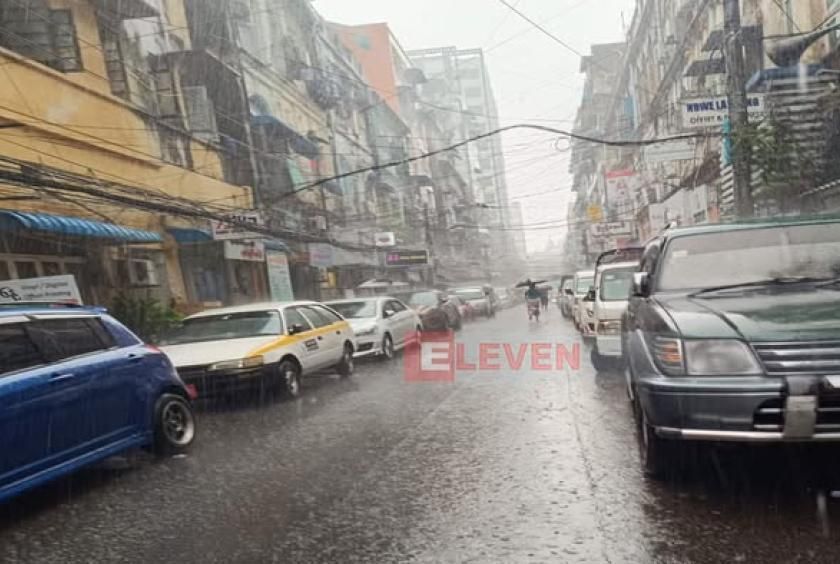
Myanmar's Department of Meteorology and Hydrology has issued a significant weather alert regarding the anticipated strengthening of El Niño conditions beginning in August this year, signalling that the region should prepare for substantial shifts in rainfall distribution and atmospheric patterns. The warning comes as international climate monitoring systems detect rising sea surface temperatures and changing atmospheric dynamics across the equatorial tropical Pacific Ocean, already at moderate El Niño intensity levels.
The meteorological department's assessment, drawing on predictive models from multiple international agencies, indicates a clear trajectory towards more powerful conditions. While current Pacific conditions remain at a moderate phase, forecasters anticipate a substantial intensification during August, with the phenomenon potentially escalating to very strong status by the final quarter of 2026. This progression carries implications for weather systems across a vast geographical area, given that El Niño's atmospheric teleconnections influence climatic patterns far beyond the Pacific basin.
For Myanmar and the broader Southeast Asian region, such climatic shifts typically manifest in measurable and sometimes severe ways. El Niño events correlate with irregular precipitation patterns that can deviate markedly from historical seasonal norms, creating conditions where some areas experience unexpected droughts whilst others face flooding from concentrated rainfall. The monsoon dynamics that normally dominate the subcontinent's weather become disrupted, potentially affecting the timing and intensity of agricultural seasons on which millions of rural residents depend.
Temperature patterns also shift noticeably during strong El Niño years. Daytime temperatures tend to rise above seasonal expectations, particularly during summer months, with consequences for water demand, crop water stress, and public health. The combination of higher heat and altered precipitation regimes can stress water availability across both urban and rural infrastructure systems. Power generation from hydroelectric sources may face challenges if regional rainfall deviates significantly from normal, a particular concern for nations reliant on dam-based energy production.
Beyond temperature and rainfall anomalies, El Niño events frequently correlate with increased frequency or intensity of severe weather phenomena. Tropical cyclone formation patterns shift, storm tracks alter their typical paths, and the atmospheric instability associated with these events can trigger localized severe weather including thunderstorms of unusual intensity or unusual seasonal timing. Such extreme weather events create cascading impacts across infrastructure, agriculture, and transportation systems.
For Myanmar specifically, these conditions warrant careful sectoral preparation. Agricultural planning and water resource management agencies must adjust their operational strategies and infrastructure maintenance schedules in anticipation of non-typical weather conditions. The country's fisheries sector, whether marine or freshwater-based, may experience ecosystem disruptions as water temperatures and currents shift. Urban water supply systems, particularly those dependent on specific seasonal rainfall patterns, require contingency planning to manage potential supply-demand imbalances.
The meteorological department's advisory to relevant sectors underscores the importance of proactive rather than reactive management. Industries and services that depend on weather predictability—including tourism, transportation, and energy generation—benefit from advance warning of anticipated atmospheric changes. Farmers can adjust crop selection and planting timing based on probabilistic climate forecasts, whilst disaster management agencies can pre-position resources and enhance early warning systems accordingly.
Regionally, Myanmar's situation reflects a broader Southeast Asian vulnerability to El Niño variability. The phenomenon's effects propagate across borders, affecting watershed systems, monsoon patterns, and maritime conditions throughout the region. Thailand, Laos, Cambodia, and Vietnam all experience El Niño-related impacts, making the phenomenon a sub-continental concern rather than a localized issue. Transboundary water management and regional meteorological coordination become increasingly important during such events.
The commitment by Myanmar's Department of Meteorology and Hydrology to issue regular updates suggests an institutional understanding of the need for continuous information flow. As August approaches and the anticipated intensification occurs, timely dissemination of refined forecasts becomes crucial for allowing sufficient adjustment time across different sectors. Climate information serves as a public good, enabling market actors, government agencies, and communities to make informed decisions about resource allocation and risk management.
Looking ahead to the remainder of 2026, monitoring how Pacific conditions actually develop relative to these forecasts will provide valuable data on model performance and will help refine future predictions. If the very strong phase materializes as currently anticipated, the impacts on regional agriculture, water security, and economic activity could be substantial, potentially influencing everything from food prices to hydropower revenues across Southeast Asia.

