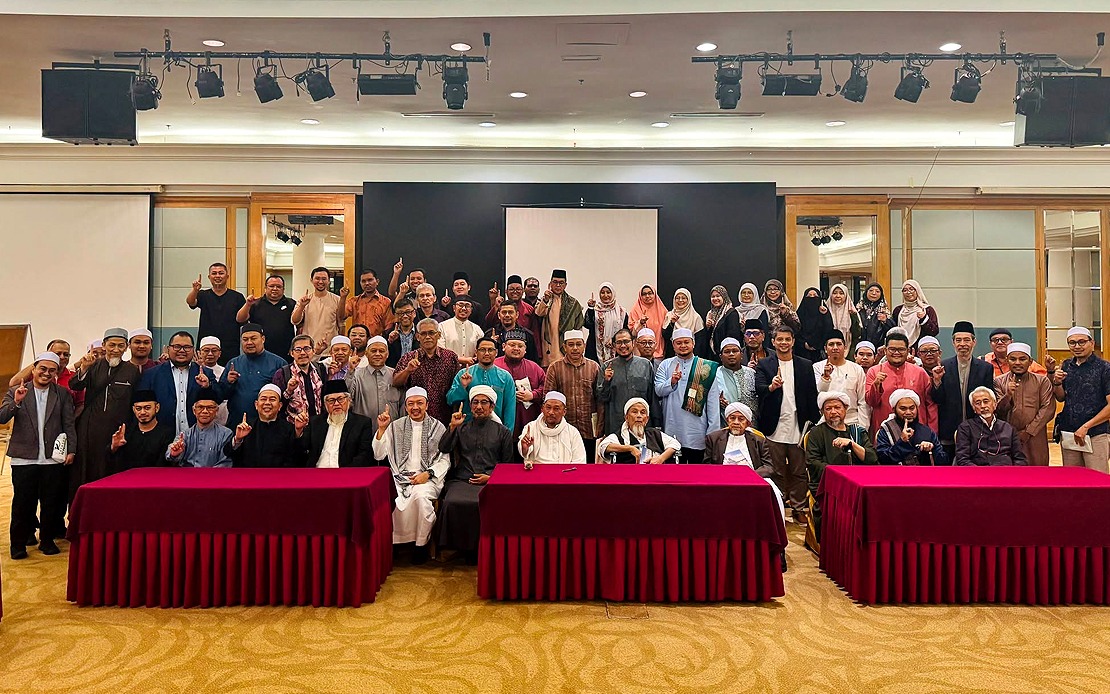
A coordinated national campaign is being mobilised to help Malaysians understand the Royal Commission of Inquiry findings into Lembaga Tabung Haji following a significant gathering of religious and professional leaders. The initiative represents a structured effort to rebuild public confidence in the institution and ensure clarity around how the pilgrim savings body managed its deposits, particularly given its custodianship of funds belonging to 9.7 million Malaysians.
Datuk Seri Dr Mujahid Yusof Rawa, the former Minister in the Prime Minister's Department (Religious Affairs), outlined the scope of the awareness programme in comments following a major conference in Ampang. The rollout will leverage existing community networks and trusted institutional channels, including mosques and prayer houses, schools ranging from primary to tertiary level, government departments, colleges, universities, and various community education platforms. This distributed approach seeks to reach Malaysians across different demographics and geographic locations, ensuring that the RCI's complex findings become accessible to ordinary citizens, not just policymakers or financial professionals.
The campaign emerged from a specially convened conference titled Hifz al-Mal, held at De Palma Hotel in Ampang, which brought together more than 100 Islamic scholars and religious leaders from throughout the country. The conference represented an unusual convergence of perspectives, bringing together figures typically associated with spiritual and community guidance alongside practitioners from finance, accounting, law, and economics. This deliberate mixing of expertise enabled discussions that examined the RCI findings through multiple lenses—theological, financial, legal, and governance—rather than treating the matter as purely a technical or administrative issue.
The involvement of the Malaysian Ulama Secretariat as organiser, working in collaboration with Malaysian Ulama Council Spiritual Leader Abdul Rahim Abdul Rahman, underscores the gravity with which religious authorities are treating the matter. By positioning the RCI findings within the framework of Hifz al-Mal, or the protection of wealth, the conference grounded the discussion in Islamic principles that resonate deeply within Malaysia's Muslim majority community. This framing is particularly significant because it reframes the issue beyond institutional failure into a religious obligation shared by all believers to safeguard community assets.
Mujahid emphasised that the core objective of the campaign is threefold: ensuring that facts surrounding the RCI findings are clearly explained to the public, rebuilding the trust that may have been damaged by the circumstances leading to the inquiry, and establishing safeguards against future misuse of depositors' assets. His statement that Tabung Haji constitutes a trust held on behalf of the Muslim community reflects a understanding that public confidence cannot be restored through official announcements alone, but requires sustained engagement with credible community voices.
The conference format itself demonstrated recognition that addressing public concern requires multidisciplinary expertise. Sessions examined the RCI findings from professional and specialist perspectives, while simultaneously exploring the roles that religious figures and community members should play in understanding and protecting the trust placed in financial institutions. This approach acknowledges that technical expertise alone—whether accounting or legal—cannot adequately address the full dimensions of institutional failure that affects millions of ordinary Malaysians.
For Malaysia's Muslim community, the implications extend beyond the immediate question of Tabung Haji's governance. The campaign reflects broader concerns about how Islamic financial institutions are supervised and held accountable, and whether existing frameworks adequately protect the savings of ordinary citizens who place faith in these organisations. The decision to mobilise religious scholars in explaining the RCI findings signals that Malaysian authorities recognise the need for credibility that extends beyond bureaucratic or regulatory channels.
The 9.7 million depositors whose savings are managed by Tabung Haji represent a substantial proportion of Malaysia's Muslim population, many of whom view their contributions as both financial investment and religious obligation. For these individuals, understanding what went wrong and how the institution will be reformed is not merely an academic exercise but deeply personal. The nationwide awareness campaign therefore serves a critical function in helping depositors understand their rights and the steps being taken to prevent recurrence of problems identified in the RCI inquiry.
The participation of chartered accountants, economic commentators, legal practitioners, religious educators, and pondok scholars indicates that the campaign will attempt to bridge the gap between technical findings and public comprehension. Many RCI reports, despite their importance, remain largely inaccessible to non-specialists. By tasking religious scholars and community leaders with explaining these findings through trusted platforms, the campaign aims to translate complex financial and governance issues into language and contexts meaningful to ordinary Malaysians.
From a regional perspective, the Malaysian approach offers insights into how Southeast Asian countries with significant Muslim populations can address institutional failures while maintaining confidence in Islamic financial systems. The involvement of religious leadership in public accountability mechanisms is distinctive and reflects Malaysia's particular approach to managing religious and secular governance alongside one another. As other Muslim-majority nations in the region develop their own Islamic financial sectors, the methods employed in this awareness campaign may provide a template for addressing similar challenges.
The nationwide rollout represents a recognition that rebuilding institutional trust requires sustained, decentralised effort rather than one-off official statements. By placing the explanation of RCI findings into the hands of thousands of religious figures, educators, and community leaders across Malaysia, authorities are attempting to create multiple touchpoints where citizens can engage with the material and raise concerns. This approach respects the distributed nature of public opinion formation while leveraging pre-existing networks of influence and credibility within communities.
Looking forward, the success of this campaign will depend not only on the quality of explanations provided but also on whether follow-up mechanisms are established to address community concerns and questions that emerge during the awareness process. The conference in Ampang appears to have laid important groundwork, but translating institutional momentum into sustained public engagement across nine states and federal territories will require continued commitment and resource allocation.

