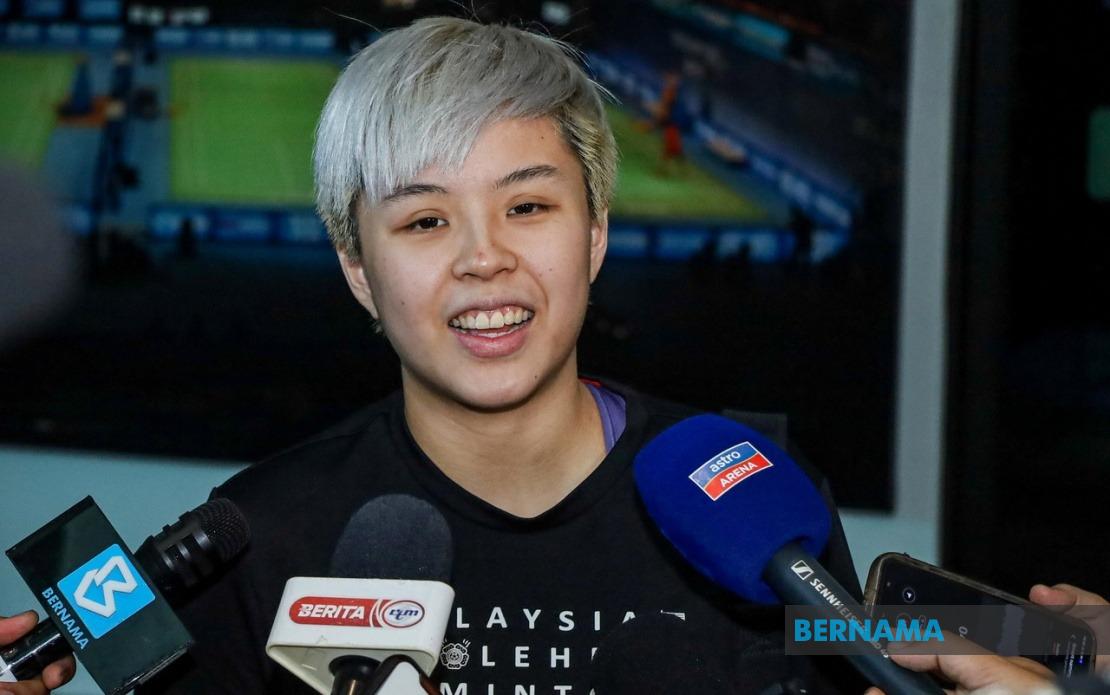
Toh Ee Wei, Malaysia's prominent mixed doubles badminton player, has successfully undergone surgical repair of her anterior cruciate ligament (ACL) at a specialist facility in Melbourne, Australia. The Badminton Association Malaysia (BAM) confirmed that the operation on her left knee was completed on June 30, marking a critical milestone in her recovery from an injury sustained during competitive play last month. The procedure represents the next phase of Ee Wei's journey back to elite-level competition after the setback that threatened to derail her season.
The injury occurred during the quarter-finals of the Singapore Open 2026, when the player sustained significant damage to the ACL—a crucial ligament responsible for knee stability and essential for the explosive, multi-directional movements required in modern badminton. Such injuries have become increasingly common among elite badminton players whose training and competition schedules demand extreme physical demands. The decision to pursue surgery in Australia rather than domestically underscores the specialized nature of elite sports medicine and BAM's commitment to accessing world-class orthopedic care for national players.
BAM's official statement emphasized the organization's dedication to supporting Ee Wei throughout her rehabilitation period, pledging comprehensive medical oversight and recovery resources. This institutional backing is crucial for athletes facing extended time away from competition, as the psychological and logistical challenges of rehabilitation can be as demanding as the physical recovery itself. The association's public commitment also sends a signal to other national athletes that career-interrupting injuries will not result in abandonment of institutional support.
Ee Wei herself expressed gratitude for the outpouring of encouragement she has received from the badminton community, teammates, and supporters during the weeks preceding her surgery. Her statement conveyed both relief that the surgical procedure progressed without complications and determination to approach the rehabilitation phase with full commitment. This positive psychological stance is often considered prognostic for successful recovery outcomes, as athletes who maintain motivation and engagement typically achieve faster functional restoration.
The rehabilitation timeline for ACL injuries typically spans six to nine months before elite athletes can return to competitive play, meaning Ee Wei faces an extended period away from major tournaments. For mixed doubles specialists, this absence could impact partnership dynamics and ranking points during a critical calendar period. Her return will likely be staggered, beginning with lower-level competitions to rebuild confidence and match fitness before engaging in high-stakes tournaments again.
Malaysia's badminton program has faced recurring challenges with injuries among key players in recent years, reflecting the sport's intensifying competitive pressures and training loads. The investment in securing optimal surgical care for Ee Wei demonstrates BAM's prioritization of player welfare, though it also highlights broader questions about injury prevention strategies and training periodization within the national system. Coaches and sports scientists across Southeast Asian badminton programs continue grappling with balancing competitive demands against athlete durability.
Ee Wei's mixed doubles partnership represents one of Malaysia's strategic assets in international badminton, where the discipline remains highly competitive at the continental and world levels. The absence of established pairing combinations during her recovery could necessitate experimentation with alternative pairings, potentially disrupting momentum in upcoming qualifying rounds for major championships. Tournament calendars tighten around athletes' availability, and extended injuries create cascading effects through team selection and strategic planning.
The sports medicine infrastructure in Melbourne, where Ee Wei underwent treatment, benefits from Australia's strong sports culture and investment in athlete healthcare. Malaysian athletes increasingly seek specialized surgical and rehabilitation services across Asia-Pacific, particularly in Australia, Singapore, and South Korea, where sports orthopedics has reached high technical standards. This regional medical network has become integral to supporting Southeast Asian badminton's development.
Looking ahead, Ee Wei's recovery will likely be monitored closely by BAM medical staff and her coaching team, with progression carefully calibrated to prevent re-injury. Premature return to competition ranks among the primary risk factors for ACL re-injury, a complication that could effectively end athletic careers. The coming months will test both her physical resilience and mental fortitude as she navigates the demanding rehabilitation process with the ultimate objective of reclaiming her place in Malaysia's mixed doubles hierarchy and pursuing international success once more.

