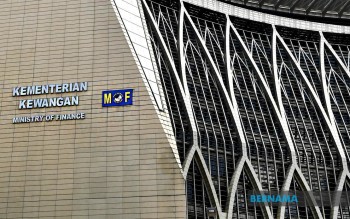
Malaysia's Parliament has taken a significant step toward securing the nation's financial future by passing the National Trust Fund Bill 2026, a legislative milestone that represents the most substantial overhaul of the country's intergenerational savings mechanism since the fund's creation in 1988. The bill's passage through the Dewan Rakyat signals the government's determination to modernise public financial management and establish a firmer legal foundation for how Malaysia manages its sovereign wealth across generations.
The National Trust Fund, known locally as KWAN, has operated for over three decades as Malaysia's primary vehicle for preserving national resources for future use. However, the fund has functioned largely under administrative arrangements rather than comprehensive statutory frameworks. That gap has now been addressed through legislation that introduces legally binding requirements governing how money flows into the fund, how it is deployed, and under what circumstances it can be drawn down. This shift from administrative discretion to legislated discipline represents a fundamental change in how Malaysia approaches intergenerational fiscal policy.
At present, KWAN holds approximately RM22.43 billion in accumulated assets as of the end of 2024, a substantial reservoir built through decades of careful stewardship. The transition from the existing panel-based administrative structure to a new statutory body, the National Trust Fund (Incorporated), will preserve this accumulated wealth while establishing more robust governance mechanisms. Bank Negara Malaysia will continue administering the fund during the transition period, a pragmatic decision that maintains operational continuity while the new institutional framework takes shape. All existing assets, contracts and investment arrangements will be transferred to the successor body without disruption.
The bill's introduction of binding contribution rules marks a departure from previous practice. The Federal Government is now legally required to contribute at least 0.1 per cent of its projected annual revenue to the fund, supplemented by 2.0 per cent of dividends from Petronas and 2.0 per cent of revenue from depletable resource export duties, after accounting for allocations to state governments. These minimum thresholds are designed to ensure consistent funding regardless of fiscal pressures or political preferences, though the government retains flexibility to exceed these baseline contributions when circumstances permit. This architecture reflects recognition that intergenerational savings cannot depend on annual budgetary discretion but must be embedded in revenue-sharing formulas that operate automatically.
Equally significant are the new restrictions on fund withdrawals. The legislation constrains the use of KWAN resources to three specific areas: education, healthcare, and climate change mitigation and adaptation. These categories reflect modern priorities while excluding broad discretionary draws that could undermine the fund's accumulation over time. Moreover, annual withdrawals are capped at no more than 50 per cent of the fund's expected long-term real rate of return, a prudent discipline that prioritises capital preservation. Any withdrawal exceeding this sustainable yield threshold requires approval from the Dewan Rakyat, effectively placing a parliamentary check on executive spending from the fund. This structure embeds intergenerational accountability into the legislative process itself.
The investment framework underpinning KWAN has also been strengthened through requirement for a Strategic Asset Allocation approved by the Finance Minister. Rather than permitting ad-hoc investment decisions, the new arrangement mandates disciplined portfolio management across approved asset classes. This approach provides flexibility for professional fund managers to optimise returns while maintaining legislative oversight of the strategic direction. For Malaysia, a nation with significant commodity export revenues and exposure to global markets, prudent long-term asset allocation can substantially compound the fund's value over decades.
From a regional perspective, Malaysia's legislative approach to sovereign wealth management carries implications for other Southeast Asian economies wrestling with similar questions about resource stewardship. Nations dependent on finite natural resources or those seeking to build buffers against commodity price volatility often lack robust legal frameworks governing intergenerational transfers of wealth. Malaysia's precedent demonstrates how statutory law can embed fiscal discipline into institutions, reducing the risk that pressing short-term demands will dissipate resources intended for long-term national benefit. The model may prove instructive for neighbouring countries considering formal sovereign wealth legislation.
Finance Minister II Datuk Seri Amir Hamzah Azizan framed the reform around a fundamental principle: resources enjoyed today do not belong exclusively to the present generation but constitute a trust held for future Malaysians. This philosophical positioning, embedded now in statutory language, shifts the default understanding of national assets from immediate consumption to stewardship. It reflects mature thinking about fiscal intergenerational equity at a time when many democracies struggle with rising public debt transferred to younger citizens. Malaysia's legislative statement that today's revenues must benefit tomorrow's generations represents a counterweight to short-termist political incentives.
The bill's passage followed debate among 14 Members of Parliament in the Dewan Rakyat and secured majority support, indicating reasonably broad consensus across the legislature on the reform's necessity. Deputy Finance Minister Liew Chin Tong tabled the legislation, reflecting the government's prioritisation of this initiative within its broader economic reformation agenda. The next step involves tabling the bill in the Dewan Negara, Malaysia's upper house, where further scrutiny and debate will occur before final enactment.
The timing of this legislative reform warrants consideration. Global commodity prices remain volatile, and economic cycles present recurring challenges to fiscal discipline. By enacting binding contribution and withdrawal rules now, during a period of relative economic stability, Malaysia creates institutional guardrails that will function even during episodes of fiscal stress or political pressure. Future governments will inherit both the fund's accumulated wealth and legal obligations to maintain its integrity, a constraint that can resist short-term raids on resources nominally reserved for future use.
Implementation will be crucial to the reform's success. The transition from panel administration to statutory body status must occur smoothly, with experienced fund managers retained and investment strategies maintained. Public communication about KWAN's purpose and performance will help build political and popular consensus that the fund should indeed be protected from casual appropriation. Regular reporting on fund performance, asset allocation decisions, and contribution flows can sustain transparency over the coming decades.
The National Trust Fund Bill 2026 ultimately represents Malaysia's legislative determination to treat national wealth as a public trust extending across generations rather than a resource available for immediate consumption. By embedding contribution requirements, withdrawal limits, and investment discipline into law, the government has created structural features designed to persist beyond electoral cycles and individual ministerial tenures. This approach recognises that truly intergenerational policy requires not merely good intentions but institutional mechanisms powerful enough to constrain short-term opportunism and preserve resources for future Malaysians facing their own economic challenges and opportunities.

