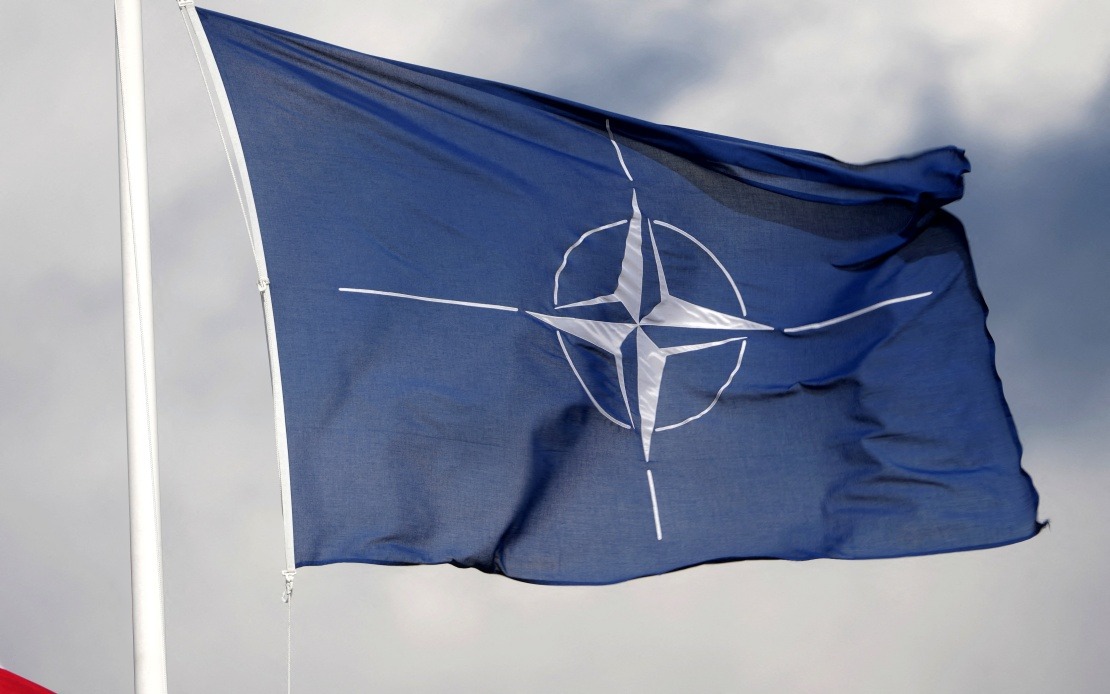
NATO member states are preparing for a substantial escalation in military expenditure, with combined defence spending forecast to surpass US$1.8 trillion in 2026. This represents a significant jump of approximately 11 per cent compared to the estimated US$1.63 trillion allocated across the alliance in 2025, reflecting a fundamental shift in how member nations are prioritising security investments amid evolving geopolitical tensions and strategic challenges in Europe and beyond.
The spending surge emerges directly from commitments pledged at The Hague summit last year, where alliance leaders established ambitious defence investment benchmarks intended to strengthen NATO's collective military capabilities and deterrence posture. These commitments signal a sustained commitment from member states to bolster defence readiness over the coming years, marking a notable reversal of decades of relatively stagnant or declining military budgets in many European nations.
The United States continues to dominate the alliance's defence expenditure landscape, with projected spending of approximately US$1.03 trillion in 2026. This figure accounts for roughly 57 per cent of NATO's total defence budget, underscoring the disproportionate financial burden shouldered by Washington in maintaining the alliance's military strength. The scale of American defence investment dwarfs that of other member states, reflecting both the country's larger economic base and its extensive global military commitments extending far beyond the European theatre.
Among European members, Germany has emerged as the second-largest defence spender, with anticipated expenditure of around US$147 billion in 2026. This represents a dramatic elevation in Germany's military priorities, reversing historical patterns shaped by post-Cold War constraints on defence spending. Germany's increased commitment reflects growing concerns about Russia's aggressive posture and broader recognition within Berlin that European security cannot rely indefinitely on American security guarantees alone.
Other significant contributors to NATO's defence budget include the United Kingdom with approximately US$110 billion, France allocating roughly US$80 billion, and Italy committing around US$57 billion. These nations represent the alliance's more developed economies with established defence industrial bases and sophisticated military capabilities. Their sustained investment reflects both national security interests and a recognition that European stability depends on credible military deterrence.
Eastern European members are demonstrating particularly strong commitment to defence spending, with Poland projected to allocate US$53 billion and Canada contributing approximately US$52 billion. Additionally, Türkiye is expected to spend around US$48 billion on defence capabilities. These expenditure levels reflect geographical proximity to potential threats and heightened security concerns, particularly among nations bordering Russia or concerned about regional instability.
The alliance has identified five member states exceeding the 3.5 per cent of gross domestic product defence spending threshold: Lithuania, Estonia, Latvia, Poland, and Greece. These nations are surpassing the core defence spending benchmark established at The Hague summit, demonstrating exceptional commitment to military readiness relative to their economic capacity. For smaller nations particularly, such spending levels represent substantial resource allocation requiring difficult budgetary trade-offs with civilian priorities.
NATO's overall average defence spending is projected to reach 2.86 per cent of GDP across the alliance by 2026. While this represents meaningful progress toward the established benchmarks, it remains slightly below the 3.5 per cent core defence target agreed upon by alliance leaders. However, the trajectory indicates that the alliance as a collective body is moving in the direction NATO leadership has demanded, even as implementation timelines vary considerably among member states.
The ambitious spending targets agreed at The Hague summit establish a framework requiring NATO members to invest 5 per cent of GDP in comprehensive defence and defence-related expenditure by 2035. This encompasses 3.5 per cent dedicated to core defence capabilities and 1.5 per cent allocated toward broader security-related investments including critical infrastructure protection, societal resilience, and technological innovation. This broader definition reflects recognition that modern security threats extend beyond traditional military challenges to encompass cyber threats, hybrid warfare, and infrastructure vulnerabilities.
For Southeast Asian observers and policymakers, NATO's defence spending trajectory carries important implications. The alliance's commitment to sustained military investment may influence regional security calculations, particularly regarding balance-of-power dynamics and the credibility of security guarantees extended by NATO members operating in Asia-Pacific regions. The emphasis on technological innovation and resilience investments also suggests that NATO members may compete more vigorously for defence contracts and technology partnerships globally.
The spending increases signal that European nations are determined to reduce military dependency on the United States while simultaneously strengthening the alliance's collective capabilities. This represents a significant structural shift within NATO, with European members accepting that security demands sustained investment and that burden-sharing requires substantial financial commitment from all participants. The success of these spending commitments will ultimately determine whether NATO can maintain effective deterrence against potential adversaries while preserving the alliance's internal cohesion and strategic credibility.

