Malaysia's People's Income Initiative (IPR) has emerged as a meaningful contributor to the government's anti-poverty framework, reaching 7,787 households since its launch almost three years ago, according to the Economy Ministry. The programme represents a targeted intervention designed to work alongside existing poverty reduction schemes, specifically addressing interconnected challenges of food insecurity, employment scarcity, and the mounting financial pressures facing low-income families across the country.
The scale of the IPR's reach suggests a strategic pivot toward direct income support mechanisms that complement rather than replace traditional welfare infrastructure. By targeting household-level participation, the initiative acknowledges a fundamental economic reality: families need not just safety nets but pathways to sustainable earning power. The ministry's characterisation of the response as "highly encouraging" reflects both the uptake among eligible households and the measurable outcomes emerging from programme operations, indicating that the design and implementation frameworks have resonated with beneficiary communities.
A particularly significant metric is the reported capacity of participating households to generate monthly income exceeding RM2,000, a threshold that carries substantial symbolic and practical importance in Malaysia's poverty measurement frameworks. For households previously trapped in the lower income brackets, crossing this earnings ceiling represents genuine economic mobility. The achievement underscores a core premise of the IPR: that targeted support, combined with opportunity creation, can facilitate transitions from dependency to relative self-sufficiency. This outcome gains further relevance when considered against Malaysia's broader development aspirations and the government's commitment to inclusive economic growth.
The programme's multi-pronged approach—simultaneously tackling food security, job creation, and cost-of-living pressures—reflects recognition that poverty rarely operates in isolation. Households facing food insecurity simultaneously struggle with underemployment and inflation-driven erosion of purchasing power. By addressing these dimensions concurrently, the IPR attempts to break interconnected cycles of deprivation rather than treating symptoms individually. This holistic orientation distinguishes it from narrower cash transfer schemes that may temporarily relieve immediate hardship without addressing structural employment deficits.
Context matters significantly for assessing these results. The programme operates within Malaysia's complex social policy landscape, where multiple ministries and agencies implement overlapping initiatives targeting different demographic segments and poverty typologies. The IPR's integration with this broader ecosystem prevents duplication while creating coherent pathways for vulnerable populations to access the support they require. However, the relatively modest beneficiary base—7,787 households—raises questions about programme reach relative to Malaysia's estimated poverty population, currently measured across both absolute and relative poverty lines.
The role of PADU, the centralized data platform, in enabling the IPR's effectiveness deserves particular attention. The ministry's disclosure that 204 government agencies have integrated data-sharing protocols with PADU reflects an institutional commitment to evidence-based programme targeting. When 27 data applications from agencies have received approval for programme implementation and policy formulation, this suggests a maturing infrastructure for identifying eligible beneficiaries and tailoring interventions to genuine need. For Malaysia, where historical challenges in targeting assistance have occasionally resulted in inefficiencies, this data integration represents meaningful progress toward systemic precision.
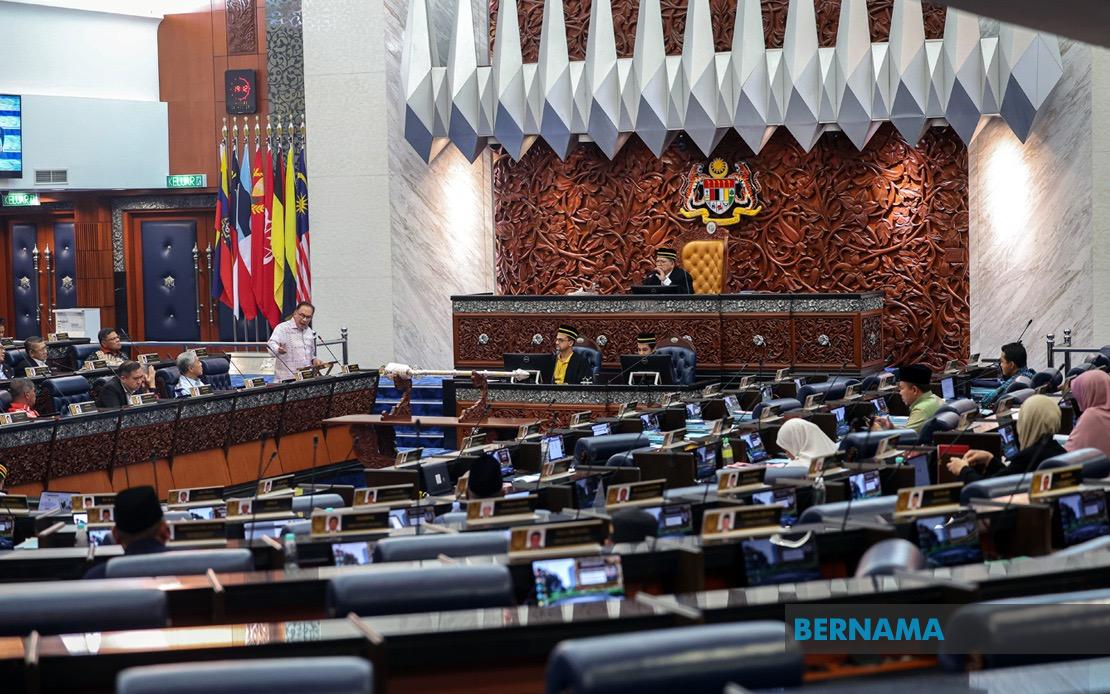
The parliamentary response from which this information emerged demonstrates the legislative oversight mechanism functioning around poverty alleviation initiatives. Wan Ahmad Fayhsal Wan Ahmad Kamal's inquiry specifically requesting both IPR outcome data and PADU implementation metrics reflects growing parliamentary scrutiny of government expenditure and programme effectiveness. This accountability dimension becomes increasingly important as Malaysia navigates middle-income economic transitions and deliberates optimal allocation of public resources across competing development priorities.
From a Southeast Asian perspective, Malaysia's experience with the IPR offers instructive lessons about programme design and implementation challenges in middle-income settings. Unlike lower-income economies where targeted cash transfers dominate anti-poverty arsenals, or high-income societies with comprehensive welfare states, Malaysia occupies a position requiring calibrated approaches. The IPR's focus on simultaneous income generation and basic needs assistance reflects this middle-position complexity, attempting to move beyond pure income support toward economic agency and participation.
Looking forward, the programme's sustainability and scalability merit examination. The three-year timeframe provides sufficient operational history to assess fundamental viability, yet insufficient duration to evaluate long-term poverty exit rates or intergenerational mobility impacts. Whether the 7,787 households currently benefiting represent a stable cohort or reflect annual turnover remains unclear from available disclosures. Similarly, the extent to which PADU's data integration capacity might enable expansion to larger beneficiary populations represents an unresolved question with significant policy implications for Malaysia's fiscal planning.
The intersection of the IPR programme with PADU integration also illustrates evolving government approaches to personalised service delivery and data-driven administration. As agencies share information across institutional boundaries to improve targeting and implementation, privacy considerations and data governance frameworks become increasingly salient. For Malaysian citizens and residents, this represents both opportunity for improved service efficiency and responsibility for authorities to exercise data stewardship with appropriate safeguards.
The economy ministry's emphasis on food security and cost-of-living relief within the IPR framework reflects Malaysia's contemporary economic challenges. In periods of inflationary pressure and volatile commodity pricing, households at poverty margins experience disproportionate vulnerability. By embedding food security considerations explicitly within income initiatives, policymakers demonstrate understanding that income adequacy must be measured against actual consumption requirements rather than nominal earnings figures alone.
Moving forward, sustained parliamentary engagement with IPR outcomes and continued refinement of targeting mechanisms through PADU will likely shape the programme's evolution. Malaysia's commitment to this initiative suggests recognition that poverty eradication remains an urgent priority despite the nation's upper-middle-income classification. The modest but measurable progress reported after nearly three years indicates that while challenges remain substantial, systematic implementation of evidence-based interventions can contribute meaningfully to reducing household economic vulnerability across the country.

