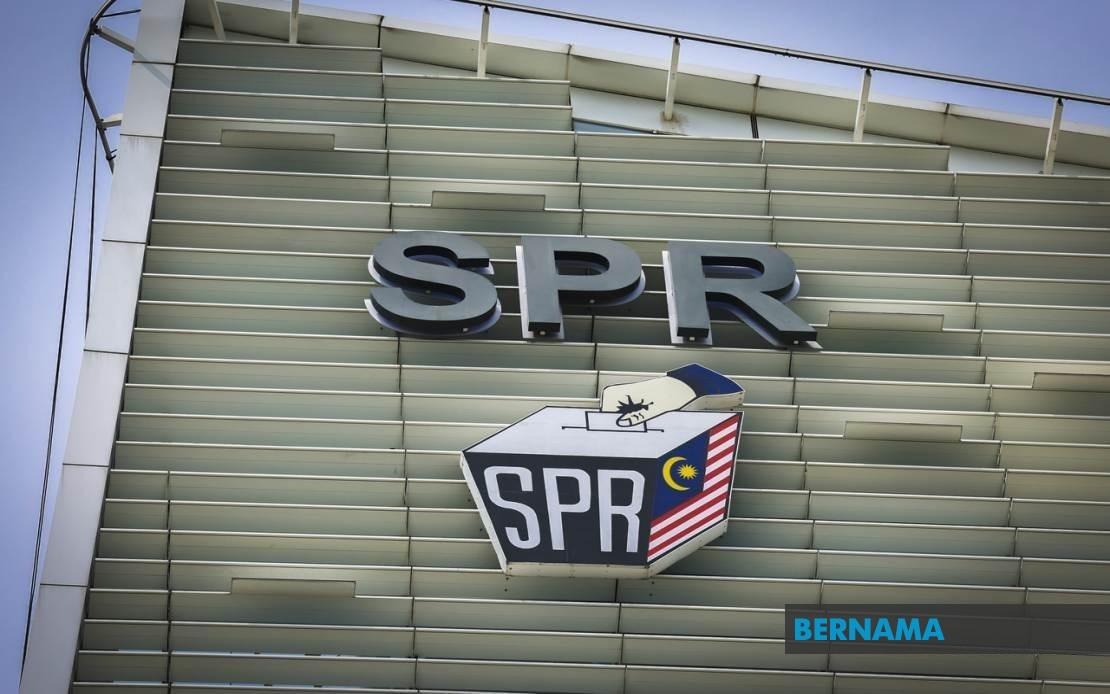
The electoral contest for Negeri Sembilan's 36 state assembly seats enters its decisive phase today as nomination day officially opens the 14-day campaign period. With eight nomination centres scattered across the state, prospective candidates will have a two-hour window between 9 am and 10 am to submit their papers to returning officers, who will subsequently announce the complete roster of contestants. The Election Commission has scheduled polling day for August 1, with early voting permitted on July 28 for those unable to vote on the main date.
Negeri Sembilan's electoral landscape has crystallised in the final hours before nomination day, revealing a competitive three-cornered contest between the major coalitions. The state's 889,490 registered voters comprise 867,151 ordinary electors alongside 16,884 military personnel and their spouses, plus 5,455 police personnel and their families. This voter base will determine which coalition emerges victorious in what political observers regard as a closely contested contest following the dissolution of the state assembly on June 5 with the consent of Tuanku Muhriz Tuanku Munawir, the Yang Dipertuan Besar of Negeri Sembilan.
Pakatan Harapan approaches the election fielding the broadest slate, contesting all 36 seats through its component parties. The coalition deploys 16 candidates from PKR, 11 from DAP, and nine from Amanah, signalling its confidence in securing the state once again. The results from the 2023 state election remain fresh in voters' minds, when PH captured 17 seats to establish itself as the dominant force, though that majority is slender enough to remain vulnerable. The coalition's strategy of universal contestation underscores its determination to consolidate support and expand its footprint across constituencies where it may have previously underperformed.
Barisan Nasional, the traditional heavyweight in Malaysian politics, has adopted a more selective approach, fielding 25 candidates across the 36 available seats. The coalition's composition reflects the ethnic and organizational divisions within the broader alliance, with UMNO providing 16 candidates, MCA contributing seven, and MIC fielding two representatives. This configuration signals BN's recognition that certain seats may be unwinnable or low-priority in the current political environment. The decision to contest three-quarters of the seats still demonstrates BN's determination to recapture power from PH, reversing the 2023 outcome when it secured only 14 seats.
Perikatan Nasional's campaign strategy presents a more fragmented picture, with the coalition contesting 11 seats while simultaneously managing internal complications. PAS will field five candidates, Gerakan and the Malaysian Indian People's Party each contribute one, and Wawasan Negara, PN's newest component making its electoral debut, supplies four candidates. However, Bersatu, another PN member party, has opted to contest independently under its own party symbol rather than the PN banner, a division that could impact the coalition's effectiveness in attracting votes. This internal split reflects underlying tensions within PN over strategy and party autonomy, potentially weakening the coalition's coherence during the campaign phase.
Beyond the major coalitions, several smaller parties and independent entities are participating in the election. Parti Orang Asli Malaysia and Parti Sosialis Malaysia each field single candidates, while Parti Barisan Jemaah Islamiah Se-Malaysia is expected to contest seven seats, adding further fragmentation to the electoral competition. Meanwhile, MUDA, Pejuang, and Bersama have decided to sit out the Negeri Sembilan contest, choosing instead to focus resources or efforts elsewhere. This mosaic of contestants ensures that the campaign will involve multiple ideological perspectives and political brands competing for voter attention and support.
The Election Commission has issued practical guidance to prospective candidates to facilitate a smooth nomination process. Officials have encouraged candidates to have their nomination papers verified in advance at either the Returning Officer's Office or the State Election Office, reducing the likelihood of procedural delays or rejections on nomination day itself. The commission has additionally advised candidates to settle their election deposits promptly and retain payment receipts as documentation when submitting their nomination papers. These administrative precautions reflect the EC's commitment to conducting an orderly election process despite the complexity of managing nominations across eight centres simultaneously.
Weather conditions may influence nomination day proceedings, according to forecasts from the Malaysian Meteorological Department. Most areas of Negeri Sembilan are expected to experience generally fair conditions on Saturday morning, though Port Dickson and Seremban face rain predictions. The meteorological outlook anticipates thunderstorms developing across the state during afternoon hours, a typical pattern for the region during this season. While weather rarely determines electoral outcomes, heavy rainfall could potentially affect candidate and voter movement during the nomination and campaign phases, particularly in constituencies with challenging terrain or limited transportation infrastructure.
The 2023 state election results provide a baseline from which to assess the current contest. PH's 17-seat majority, while decisive, offered limited cushion against losses in a re-election scenario. BN's 14 seats represented a decline from its historical dominance but nonetheless positioned the coalition as a credible alternative to PH governance. PN's five-seat representation highlighted the rising political salience of Islamist and alternative conservative politics in the state. These distributional patterns will likely influence candidate selection decisions, campaign messaging, and strategic resource allocation throughout the 14-day campaign period leading to August 1 polling day.
The Negeri Sembilan election carries significance extending beyond the state itself, functioning as a barometer of broader electoral trends and coalition strength in Malaysia's political system. The contest occurs within a context of shifting alignments at national level, where coalitional configurations and political dynamics remain fluid. Success or failure for major coalitions in this state election will influence calculations about electoral viability heading toward future national and regional electoral cycles. For PH, retaining control signals continued voter endorsement of its governance record and policy agenda. For BN, a victory would demonstrate the coalition's capacity to recover electoral ground and remain competitive against the ruling coalition. For PN, strengthened representation would validate its positioning as a credible alternative to the two dominant coalitions.
The campaign period beginning today will determine which coalition succeeds in assembling the necessary parliamentary arithmetic to form the state government. Voters across Negeri Sembilan's diverse constituencies, ranging from urban centres like Seremban to rural and semi-rural areas, will weigh competing visions of governance, economic management, and social priorities. The nomination process commencing today formally initiates the period during which candidates will actively appeal to voters, articulate their platforms, and seek to mobilise support. With nearly 900,000 voters eligible to participate and 36 seats contested across multiple coalitions and party formations, the election represents a significant democratic exercise and political test for Malaysian democracy.

