The nomination process for Negeri Sembilan's 16th state election proceeded without complications on Wednesday across eight designated registration centres, according to state law enforcement authorities. The orderly conduct of the day reflected careful coordination between election officials and security forces, with no reported disturbances marring what is traditionally a critical juncture in any electoral campaign.
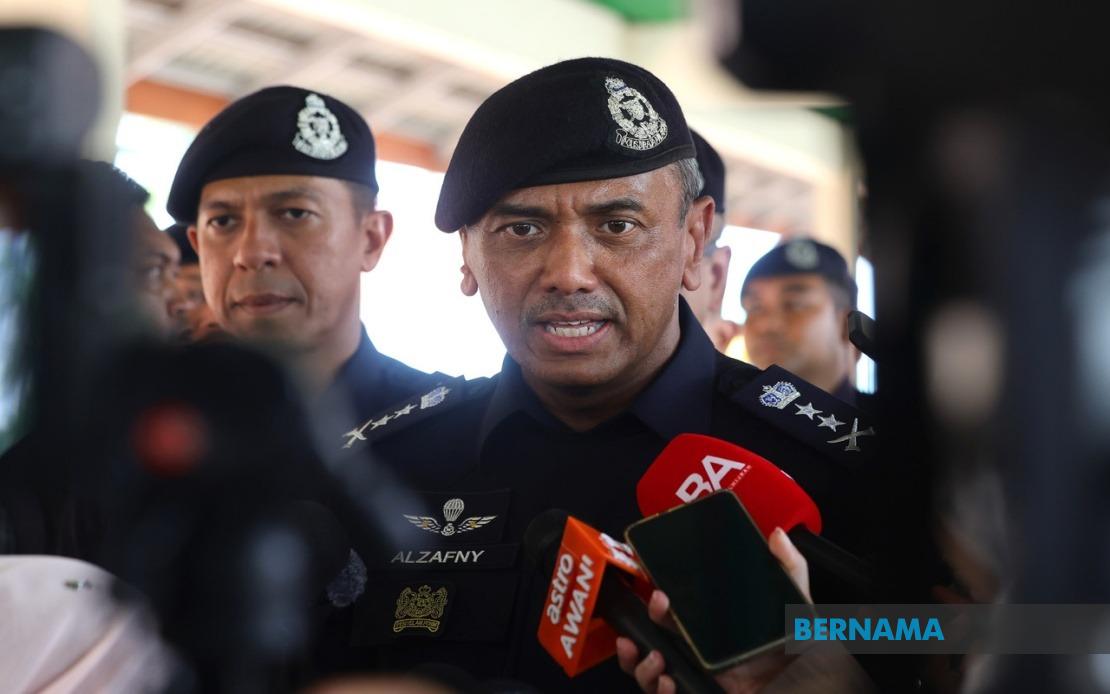
State police chief Datuk Alzafny Ahmad attributed the smooth operation to the cooperative stance adopted by supporters representing all competing political coalitions. He confirmed that party representatives and their backers adhered to instructions issued by law enforcement officers, enabling administrators to manage the logistics of candidate registration without incident from morning through midday. This cooperative environment reflected the maturity demonstrated by political actors in respecting the institutional framework governing electoral conduct.
Supporters gathered in varying numbers across the different nomination centres, with attendance levels indicating differential levels of enthusiasm or mobilisation capacity among competing parties. The Jempol centre witnessed the strongest turnout, drawing approximately 2,500 party supporters to witness and participate in nomination activities, whereas Kuala Pilah recorded more modest attendance at roughly 1,000 participants. These variations offer insight into ground-level party organisation and the regional distribution of political interest across Negeri Sembilan's constituencies.
Maintaining order across this distributed network of registration venues required substantial police resources. Authorities stationed 2,373 officers and personnel across all nomination centres, tasked with dual responsibilities of securing the sites and managing vehicular and pedestrian movement. This deployment reflects the security protocols now routinely applied to Malaysian electoral processes, where the combination of large gatherings and political intensity necessitates visible police presence to deter potential disruptions and provide rapid response capacity should incidents occur.
Beyond day-to-day security considerations, Datuk Alzafny used the nomination occasion to issue guidance regarding acceptable campaign conduct. He particularly emphasised that candidates must avoid campaign messaging that engages with sensitive constitutional matters commonly referenced as the 3Rs—religion, royalty and race. This directive reflects constitutional conventions that have evolved across Malaysian political practice, acknowledging these domains as requiring special protection from partisan contestation.
The police chief's remarks extended to broader standards of campaign civility. He called upon all participating candidates to focus their campaign speeches on substantive party platforms and policy positions rather than resorting to inflammatory rhetoric designed to provoke emotional responses. Framing campaign discourse around what candidates and parties offer, rather than attacks on opponents or divisive identity appeals, represents the normative standard that authorities seek to enforce. The implicit message cautioned candidates against statements that could generate public anxiety or trigger communal tensions.
Campaign regulation extends into seemingly mundane practical matters that police nonetheless monitor during election periods. Officers reminded candidates to observe traffic safety rules, including mandatory helmet usage when travelling by motorcycle through residential and village areas during their campaign activities. While procedurally minor, such enforcement signals police commitment to maintaining general order and demonstrating that electoral regulations pervade all aspects of political activity.
Coordination between law enforcement and the Election Commission reflects institutional structures designed to manage elections comprehensively. Police and electoral administrators have established joint monitoring teams specifically tasked with tracking compliance with campaign period regulations. This collaborative approach creates overlapping surveillance mechanisms intended to deter violations and address breaches promptly should they occur. The dual institutional engagement signals that electoral integrity depends on multiple agencies working in concert rather than any single institution operating independently.
The Election Commission has scheduled August 1 as polling day for the Negeri Sembilan state election, meaning the campaign period extends for approximately two weeks following the July 18 nomination. Early voting will occur on July 28, providing options for voters unable to participate on the main election date. This timeline provides candidates sufficient opportunity to conduct campaign activities while remaining constrained within a defined period designed to limit electoral disruption to normal social and economic functioning.
For Malaysian voters and political observers, the smooth nomination process offers encouraging signals regarding institutional capacity to manage electoral processes. The demonstrated ability of law enforcement, election authorities, and political actors to cooperate in executing this foundational electoral task suggests that subsequent campaign and voting phases may proceed similarly without major friction. Nevertheless, the specific reminders from police regarding campaign boundaries indicate that authorities recognise ongoing risks of inappropriate conduct, requiring continued vigilance throughout the remaining campaign period.
The Negeri Sembilan election carries broader significance for Malaysian politics beyond the state level. As one of the nation's smaller states, electoral outcomes influence the political balance within Negeri Sembilan's monarchy-based governance structures and contribute to understanding of regional political currents that feed into national political conversations. The orderly administration visible during nomination processes builds public confidence in institutional capacity to manage democratic exercises fairly, a prerequisite for electoral legitimacy.
Looking forward, the standards articulated by police during nomination—civility, constitutional sensitivity, rule compliance—will face genuine tests during the more dynamic and free-flowing campaign period. Candidates, party workers, and supporters will navigate pressures to mobilise support aggressively while theoretically respecting boundaries that authorities have defined. The actual maintenance of these standards across the campaign's remaining duration will demonstrate whether the cooperative tone evident during nominations reflects genuine commitment to regulated political conduct or merely reflects the formal atmosphere surrounding official nomination procedures.

