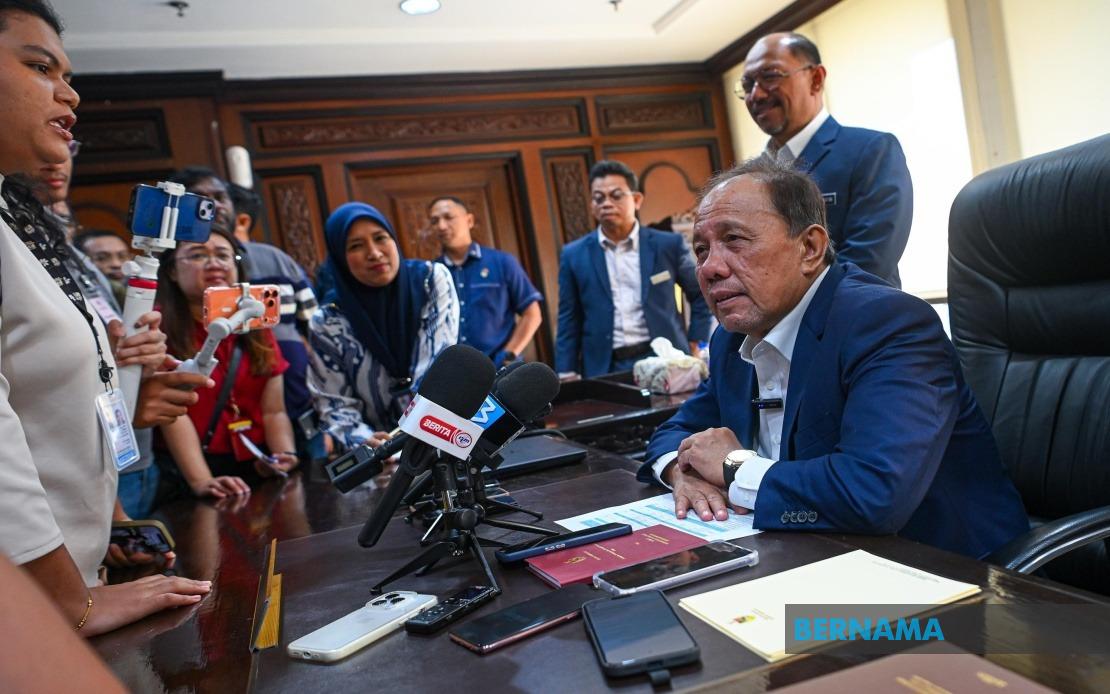
Newly installed Negeri Sembilan Menteri Besar Datuk Ismail Lasim has signalled that his administration will pursue an unconventional approach to cabinet structuring by exploring the establishment of Deputy Executive Council positions across several critical state portfolios. Speaking from Wisma Negeri on Monday, Ismail explained that the proposal emerges from a straightforward arithmetic problem: the conventional Exco posts available are insufficient to accommodate all the political figures his coalition partner requires placement in the cabinet.
The thinking reflects a pragmatic strategy increasingly common in Malaysian state administrations seeking to balance coalition management with the constraints of formal governance structures. By creating deputy-level positions, the Negeri Sembilan government can distribute patronage and administrative responsibility more widely whilst maintaining the traditional hierarchy of the Executive Council. This approach allows assemblymen from smaller coalition components to obtain meaningful roles within government without displacing sitting Exco members or creating a bloated cabinet that might prove unwieldy.
Ismail clarified that the specific portfolios earmarked for deputy positions have not yet been finalised, and the total number of such appointments remains undecided. The state government is in a deliberative phase, weighing which ministry areas would benefit most from additional junior ministerial capacity. This measured pace suggests the administration recognises the structural importance of these decisions and their implications for administrative effectiveness and political stability. The composition of the final lineup will reveal which sectors Ismail's team prioritises—whether emphasising economic development, social services, or infrastructure.
The recruitment pool for these posts will draw from assemblymen representing Barisan Nasional's component parties, PAS, and Parti Wawasan Negara, reflecting the multi-party coalition that propelled the BN to power in the recent state election. This diversity of representation, whilst politically necessary, adds complexity to cabinet selection and may necessitate the deputy structure to ensure equitable distribution of positions across coalition members. The arrangement underscores the delicate balancing act required in managing a coalition government where multiple parties hold legitimate expectations for representation.
Ismail also noted that the appointment of Senior Exco positions has not been finalised, despite existing constitutional provisions permitting such appointments. This uncertainty suggests the Menteri Besar is taking time to assess organisational needs and political requirements before finalising the upper tier of cabinet structure. The delay in announcing both Deputy and Senior Exco appointments indicates a thoughtful approach rather than hasty decision-making, though it does mean the cabinet composition will not be fully settled for several days. The administration aims to announce its complete Exco lineup by Friday, with Monday serving as an absolute deadline.
Ismail commenced his tenure formally on Monday morning, arriving at the Menteri Besar's Office at 9 am to begin work. His arrival was marked by the customary welcoming ceremony conducted by State Secretary Datuk Mohd Zafir Ibrahim, alongside senior departmental heads, establishing the formal transition from campaign mode to governance. The 67-year-old Juasseh assemblyman was sworn in before Tuanku Muhriz Tuanku Munawir, the Yang Dipertuan Besar of Negeri Sembilan, at Istana Besar Seri Menanti on Sunday, cementing his constitutional authority to lead the state administration.
The political foundation supporting Ismail's administration is substantially robust. In the recently concluded state election, Barisan Nasional secured 18 seats whilst Perikatan Nasional claimed seven, furnishing the combined coalition with 25 seats—a commanding two-thirds majority in the 40-member state assembly. This commanding mandate, achieved through the unprecedented cooperation between BN and Perikatan Nasional at the state level, grants Ismail considerable latitude in pursuing his legislative agenda without the constant pressure of precarious majorities that has plagued other administrations. Pakatan Harapan captured the remaining 11 seats, positioning itself as a substantial opposition capable of scrutinising government policy.
The implications of Negeri Sembilan's structural innovations extend beyond the state's borders. Other Malaysian states watching the development may consider similar approaches to managing coalition cabinets, particularly as multi-party coalitions become increasingly common in Malaysian politics. The deputy structure could become a template for managing political alliances whilst maintaining administrative coherence, offering lessons for states grappling with comparable coalition dynamics. For Malaysian political practitioners, Ismail's willingness to think creatively about cabinet architecture demonstrates how pragmatism can resolve the tension between democratic representation and efficient governance.
The announcement also reveals deeper shifts in Malaysian political culture. The casual approach to cabinet expansion, rather than adhering rigidly to traditional structures, suggests greater flexibility in how state governments configure themselves. This flexibility, if managed judiciously, could enhance representation and distribute power more equitably across coalition partners. However, it also risks diffusing accountability and creating competing centres of authority if deputy positions are not clearly delineated in terms of responsibility and decision-making power. The coming weeks will clarify whether Ismail's innovations strengthen or complicate state governance.
For Malaysian readers in Negeri Sembilan and beyond, this restructuring carries immediate consequences. The cabinet's composition will determine which priorities receive governmental focus, from economic development initiatives to social welfare programmes. The inclusion of PAS and Parti Wawasan Negara perspectives through deputy positions may shift policy emphasis compared to the previous administration. Furthermore, the deputy tier could serve as an incubator for younger political talent, creating career pathways for assemblymen aspiring to greater responsibility. Whether these structural changes deliver tangible improvements to service delivery and policy outcomes will ultimately determine their success.

