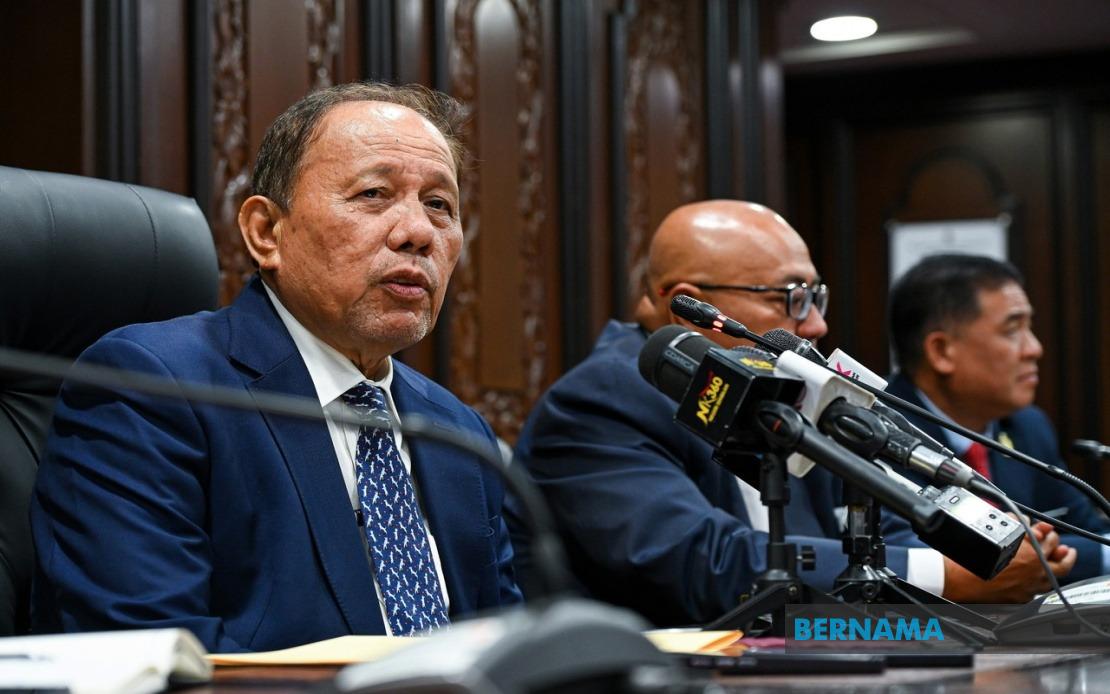
Negeri Sembilan's newly elected government has moved swiftly to deliver on campaign promises by freezing residential assessment tax rates for a five-year period, marking an early policy win for Menteri Besar Datuk Ismail Lasim. The decision, approved during the first State Executive Council meeting following the 16th Negeri Sembilan State Election, represents a deliberate effort to cushion residents from rising living expenses as Malaysia's cost of living pressures mount. While local authorities had been preparing to implement rate increases scheduled for either January or July, the state government has halted these plans entirely, signalling a shift in fiscal priorities toward citizen relief rather than revenue expansion.
The freeze represents a concrete commitment to the Barisan Nasional manifesto promises that secured the coalition's victory in Negeri Sembilan, suggesting that newly formed state administrations across Malaysia are prioritising affordability measures to consolidate political gains. For property owners in Seremban and across the state, this decision offers a two-year reprieve from what would have been their first assessment tax increase in years. The measure acknowledges the cumulative strain on household budgets from utility costs, property maintenance, and other local government charges that residents routinely face. Though assessment tax itself remains in effect, the rate freeze provides predictable financial planning for homeowners who form a significant voter base across the state.
Menteri Besar Ismail emphasised that this commitment extends through 2029, offering medium-term certainty for the property-owning community. The decision came even as local authorities, technically responsible for setting assessment rates, were conducting feasibility studies for increases. This situation illustrates the nuanced relationship between state government directives and local authority autonomy in Malaysian fiscal administration. By intervening at the state level, Negeri Sembilan's leadership has essentially overridden local municipal planning, prioritising political objectives around cost-of-living relief. Whether local authorities will implement alternative revenue-raising measures remains unclear, though the state government has effectively removed one significant source of new local government income.
The broader context matters for understanding this policy choice. Negeri Sembilan, like many Malaysian states, faces budget constraints as federal-state fiscal transfers remain relatively fixed while service delivery demands expand. Economic slowdowns and inflation pressures typically force local authorities to seek rate increases to maintain infrastructure and service quality. By committing to a five-year freeze, the state government is accepting that these services may need to be funded through alternative means, whether through operational efficiencies, selective service reductions, or state-level budget reallocations. The long-term sustainability of this freeze depends on economic conditions and the state's ability to generate revenue from other sources.
Ismail's comments during the press conference underscored his intention to establish a collaborative, performance-driven cabinet. He stressed that all Executive Council members must demonstrate dedication, integrity, and professionalism in their respective portfolios, signalling expectations for accountability across the new administration. This emphasis on institutional discipline suggests that the government intends assessment tax policy to remain just one element of a broader efficiency-driven approach to state governance. The administration appears conscious that delivering on campaign promises requires not only popular fiscal measures but also demonstrable improvements in how government operates day-to-day.
The state's legislative agenda is advancing rapidly. The First Special Session of the 16th Negeri Sembilan State Legislative Assembly is scheduled for August 18, just over a week after the Exco announcement. During this sitting, all 36 state assemblymen will be sworn in, and leadership positions will be formalised. Notably, the Speaker position will be filled by someone from outside the legislative assembly—a non-member—while the Deputy Speaker must come from among the elected assemblymen. The state government has already identified its preferred Deputy Speaker but deferred the Speaker appointment announcement, suggesting either remaining negotiations or a desire to build consensus on this prominent position.
The establishment of this leadership structure reflects Negeri Sembilan's constitutional requirements and political dynamics following the recent election. The decision to appoint a Speaker from outside the assembly is increasingly common among Malaysian states seeking individuals with administrative or technical expertise. An additional state budget is also scheduled for tabling during this first session, indicating that fiscal pressures are already emerging and supplementary funding will be needed to address immediate state requirements beyond the regular annual allocation. This practical concern underscores why the assessment tax freeze, while popular, may create funding challenges that the administration must navigate.
For Malaysian residents more broadly, the Negeri Sembilan decision signals an emerging pattern among newly elected state governments: early delivery of cost-of-living relief measures to validate election mandates. As citizens across the country experience economic pressures from inflation and rising property ownership costs, assessment tax relief has become a litmus test for government responsiveness. Negeri Sembilan's freeze may prompt other state governments to consider similar policies, potentially creating competitive dynamics where states vie to offer taxpayers the most attractive residential tax environments. This could influence interstate migration patterns and real estate investment decisions, particularly among middle-class property owners seeking affordability.
The freeze also reflects evolving Malaysian political narratives around state competitiveness and fiscal stewardship. Rather than emphasising revenue generation, the Negeri Sembilan administration is positioning itself as a pro-resident government willing to absorb cost pressures rather than passing them to voters. Whether this approach proves sustainable when the five-year period expires—or economic conditions deteriorate—remains to be seen. Future administrations will face difficult decisions about resuming rate increases after citizens have become accustomed to frozen charges. The policy represents both genuine relief and a potential deferred fiscal problem that successors may inherit.

