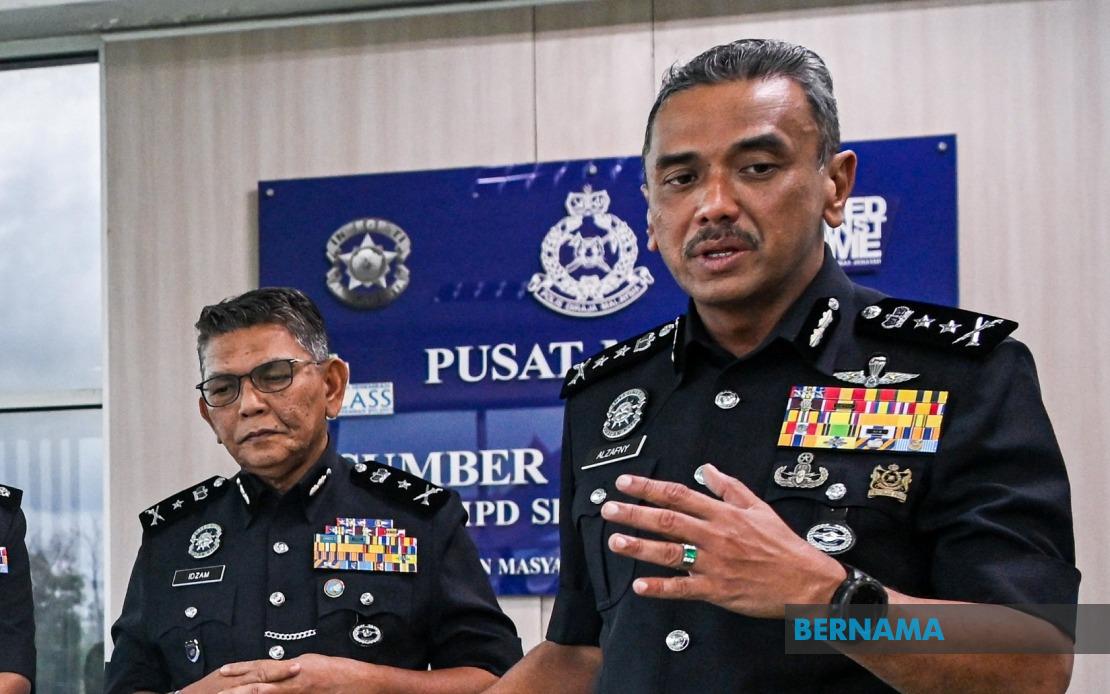
The Negeri Sembilan police force is preparing comprehensive traffic management arrangements for the upcoming 16th Negeri Sembilan State Election, scheduled for Saturday. Datuk Alzafny Ahmad, the state police chief, has announced a series of coordinated road closures and diversions spanning the Seremban, Rembau, and Jelebu districts to facilitate smooth electoral operations. These measures underscore the logistical complexity involved in managing a state-level poll across multiple urban and semi-urban centres simultaneously.
The traffic restrictions will operate in two distinct phases aligned with the electoral process. During the morning and afternoon period from 7am to 5pm, roads will be closed to accommodate the voting phase, ensuring voters can access polling stations without vehicular congestion. A second phase beginning at 6pm and extending until midnight will maintain closures to support vote tallying operations, a critical period when election results are being counted and verified at designated centres.
In Seremban, the capital city at the heart of the state, authorities will restrict access to eight main roads and arterial routes. These include Jalan Yam Tuan in Madura, Jalan Tunku Hassan, Jalan Lim Kee Siong, and Jalan Dato Sheikh Ahmad, alongside several residential access roads including Lorong Khalsa and Jalan Dato Bandar Tunggal. The closure of the two Jalan Persiaran Forest Heights roads reflects the location of polling centres serving the burgeoning residential developments in this area. To mitigate congestion, the police have designated alternative routes such as Jalan Tuanku Munawir, Jalan Kuil, and various roads through Taman Dusun Setia and Taman Seremban Garden, providing motorists with parallel pathways to navigate around restricted zones.
Jelebu district, located south of Seremban, presents a different geographical challenge given its dispersed settlement pattern and traffic intersections. Police will implement closures at four strategic locations: Jalan Dato Syed Ali near Public Bank, the Jalan Kuala Klawang-Seremban traffic light intersection adjacent to the traffic police station and Jelebu Magistrate's Court, and the stretch of Jalan Seremban-Simpang Pertang between Kuala Klawang Hotel and the town traffic lights. Additional restrictions apply at the Jalan Dato Abdullah intersection. Motorists in this district are advised to utilise Jalan Dato Moyang Salleh and Jalan Larong as bypass routes, though these secondary roads may experience heavier usage than normal.
Rembau district, to the south of the state, requires special consideration for candidate supporter processions moving toward the Dewan Sri Rembau vote-tallying venue. The primary closure affects Jalan Seremban-Tampin, which will be temporarily sealed to permit organised movements of electoral participants and supporters. Recognising the fluid nature of crowd movements during vote tallying, police officers stationed on-duty will provide real-time guidance to motorists, determining alternative routes based on developing conditions rather than pre-assigning fixed paths. This flexibility reflects the unpredictable volume of foot traffic and vehicle movement associated with electoral celebrations and formal proceedings. A secondary closure of Jalan Dato Lela Maharaja will funnel traffic toward Jalan Rembau Pedas.
The traffic management strategy extends beyond private vehicles to address commercial transport operations. Heavy vehicles including tour buses, factory buses, school buses, and commercial lorries exceeding one-tonne capacity are expressly prohibited from traversing polling centre areas between 7am and 6pm on election day. This restriction prevents large vehicles from disrupting pedestrian flows to polling stations and from contributing to congestion that could discourage voter participation. Operators of such vehicles are instructed to suspend regular routes and schedules through central zones during these critical hours, effectively requiring the rerouting or rescheduling of commercial transport networks across the three districts.
Datuk Alzafny has issued a comprehensive advisory urging all road users, particularly commercial operators and professional drivers, to engage in advance journey planning. This guidance acknowledges that traffic conditions on election day will differ markedly from normal operations, requiring travellers to consult the published alternative route maps and time their movements strategically. The police chief specifically counselled against attempting to traverse main roads serving polling centres, a recommendation grounded in both congestion management and the practical challenge of navigating security perimeters established around voting venues. For commercial operators, the restrictions necessitate operational adjustments including potential service cancellations or significant route modifications during peak electoral hours.
From a broader electoral perspective, these measures reflect Malaysia's commitment to ensuring orderly and secure polling procedures. The implementation of comprehensive traffic controls serves multiple functions: preventing unauthorised vehicles from approaching polling stations, reducing noise and congestion that might disorient voters, and establishing clear security perimeters that enable election observers and law enforcement to monitor proceedings. For Negeri Sembilan residents, particularly those in Seremban where the restrictions are most extensive, the arrangements underscore the provisional nature of urban mobility on election day, requiring patience and adaptability from the motoring public.
The timing of the restrictions—from 7am to midnight rather than a full 24-hour closure—demonstrates an attempt to balance electoral security requirements with economic continuity. Businesses, factories, and services in the three districts will experience partial disruption rather than complete shutdown. However, the six-hour prohibition on commercial heavy vehicles represents significant operational disruption for manufacturing facilities, logistics operators, and service providers whose operations depend on scheduled goods movement and employee transport during daylight hours. Companies with operations in these districts should anticipate potential production challenges and have communicated relevant impacts to clients and supply chain partners.
For residents planning to vote on Saturday, the traffic arrangements carry practical implications. Voters should allocate additional travel time to reach polling stations, as congestion around electoral venues may exceed normal rush-hour delays. Those unfamiliar with the approved alternative routes are advised to conduct reconnaissance journeys beforehand or utilise digital mapping services updated with the police announcements. The police advisory essentially converts election day into a distinct traffic regime where normal navigation patterns and assumptions become invalid, requiring citizens to actively engage with official guidance to ensure timely arrival at their designated polling stations.
The Negeri Sembilan police force's detailed announcement and advance notice to the public demonstrates electoral preparedness and attempts to minimise disruption through transparency. However, the success of these arrangements ultimately depends on public compliance and civic cooperation. The effectiveness of diversions depends on motorists accepting longer routes; the prohibition on commercial vehicles depends on operator compliance; and the overall management depends on voters accepting temporary traffic inconvenience as a necessary dimension of democratic participation. As the state election approaches, residents and businesses should familiarise themselves with these arrangements and plan accordingly.

