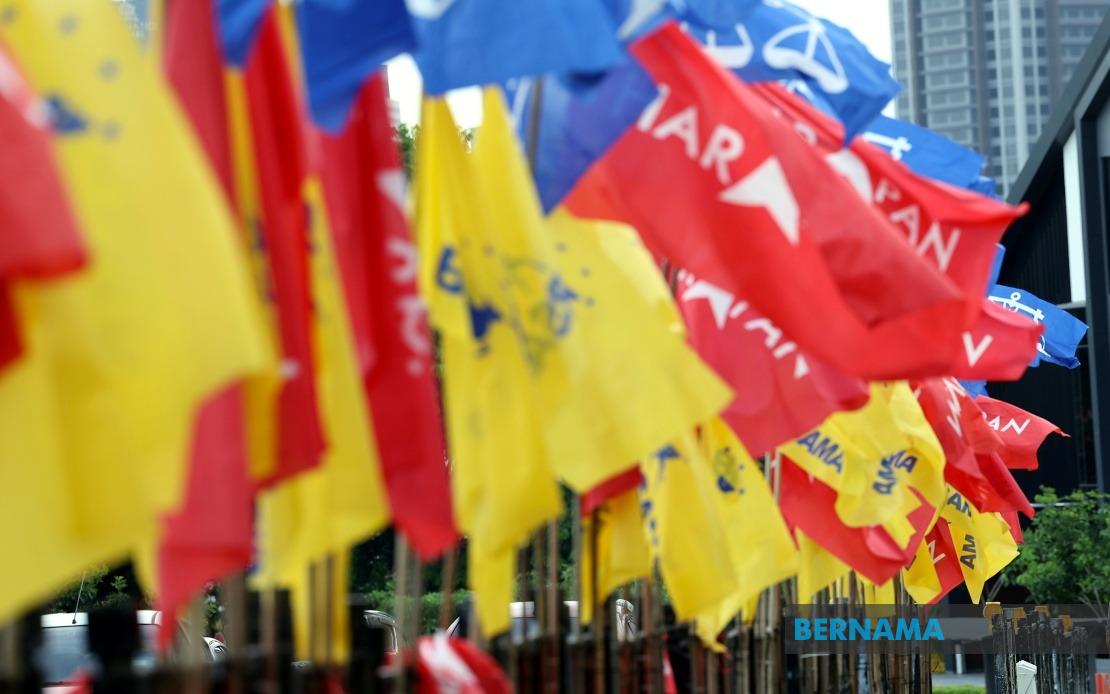
The Negeri Sembilan police force has given the green light to 19 permit applications for political ceramah and campaign activities as campaigning heats up ahead of the state election scheduled for August 1. Applications submitted since mid-July have cleared the administrative hurdles, according to state police chief Datuk Alzafny Ahmad, who confirmed that each application met all regulatory requirements before approval was granted.
The permits represent a significant volume of planned political activity across the state as the major parties ramp up their ground presence. Negeri Sembilan voters will be electing representatives to fill the 36 seats in the State Legislative Assembly, an election triggered when the assembly was dissolved on June 5. The Election Commission subsequently announced early voting for July 28, with the main polling day set for August 1, giving campaigners a compressed timeline to reach voters.
While the police have granted the permits, they have emphasised that approval does not mean a hands-off approach to campaign activities. Datuk Alzafny made clear that every political programme and event will remain under police surveillance to verify ongoing compliance with relevant laws and regulations. This monitoring regime specifically aims to prevent activities that might endanger public safety or disrupt social order during the election period.
The police chief's statement also provided a broad security assessment of the state during the campaign phase, characterising the overall situation as stable and manageable. He noted that public order and security conditions throughout the 16th Negeri Sembilan State Election have remained sound so far, with no significant incidents reported. This reassurance will be welcome to residents and potentially to election observers concerned about maintaining electoral integrity.
Enforcement data shared by the police paints a picture of general compliance with electoral rules. Only a single police report has been filed relating to election-related matters up to the time of Datuk Alzafny's statement, and notably, no investigation papers have yet been opened into alleged election offences. The low number of complaints suggests that candidates and their supporters have largely adhered to permitted conduct during the campaign trail.
Nevertheless, the police have signalled their intent to maintain heightened operational readiness as polling day approaches. Datuk Alzafny promised that law enforcement would intensify monitoring and enforcement activities throughout the remainder of the election period. This proactive stance reflects a deliberate strategy to prevent violations before they occur rather than waiting to respond to incidents after the fact.
The police chief was unambiguous about the consequences of breaking electoral laws, declaring that any violations would face swift and decisive action from authorities. His emphasis on acting with firmness, fairness and integrity—with no allowance for exceptions—serves as a warning to anyone contemplating conduct that might breach electoral regulations. The consistent messaging about enforcement sends a clear signal that police will not tolerate attempts to circumvent the rules, regardless of which political party is involved.
For ordinary Malaysians in Negeri Sembilan, the police message has been reframed as an appeal for civic cooperation and respect for democratic procedures. Datuk Alzafny urged the public to comply with the law, uphold the integrity of the democratic process, and work alongside police personnel deployed in constituencies. This framing transforms law enforcement from a coercive function into a collaborative endeavour, positioning police and citizens as partners in ensuring a credible election.
The approval of the 19 permits reflects the procedural formality that underpins Malaysia's electoral system. Political parties must navigate regulatory channels to conduct their campaigns legally, a requirement that exists across all state elections in Malaysia. The Negeri Sembilan exercise demonstrates how these formal mechanisms operate in practice, with authorities balancing the need to facilitate legitimate political expression against the imperative to maintain order.
For political operatives in Negeri Sembilan, the approval process represents both opportunity and constraint. Candidates and their campaign teams can now proceed with planned events, knowing they have official sanction. Yet the knowledge that every event will be monitored creates incentives for responsible conduct and discourages any temptation to venture into grey areas of electoral propriety.
The condensed campaign timeline—with early voting just over a week away at the time of this police statement—means that campaigns must now move rapidly to mobilise voters. The 19 approved permits will facilitate this push, allowing organisers to conduct multiple events across constituencies. The state's 36 seats represent a significant political prize, making this election consequential for Negeri Sembilan's governance over the coming term.

