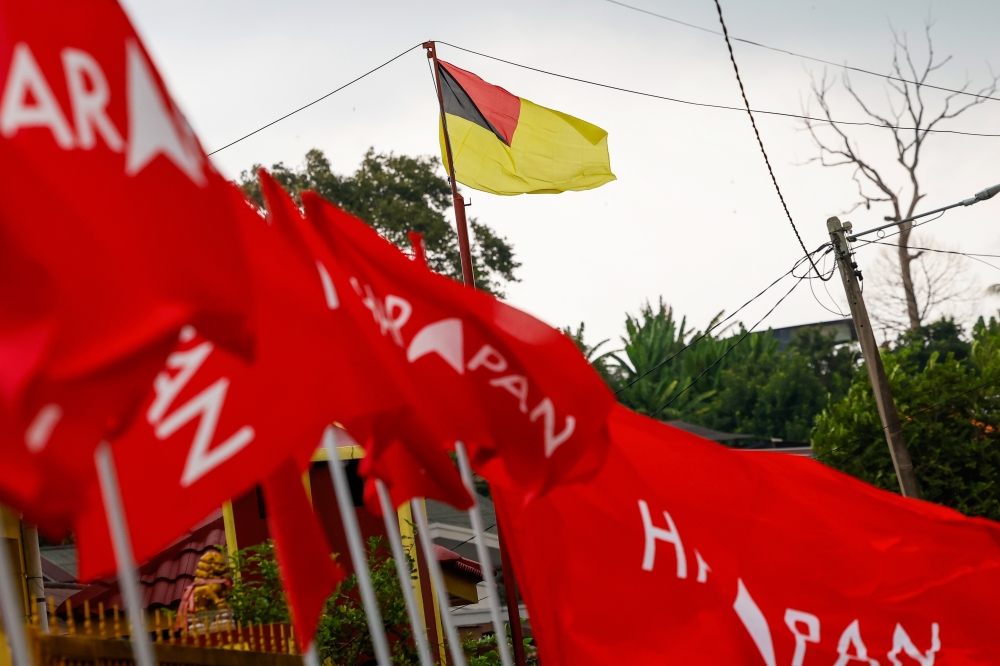
The Royal Malaysia Police's Negeri Sembilan contingent has launched parallel investigations into two distinct cases of property damage allegedly connected to election-related activities, reflecting growing law enforcement attention to misconduct during the political campaign season. The decision to open separate investigation papers underscores the seriousness with which authorities are treating incidents of vandalism and property destruction that occurred during the electoral period, as well as the police's commitment to maintaining order and protecting citizens' assets during politically sensitive times.
Election periods in Malaysia have historically witnessed sporadic incidents of property damage, ranging from defaced campaign billboards to vandalism of candidates' offices and community facilities. The emergence of these two cases in Negeri Sembilan, a state that has experienced significant political contestation in recent elections, illustrates the persistent challenge of preventing election-related misconduct despite regulatory frameworks and law enforcement efforts. Such incidents, while sometimes dismissed as minor infractions, can escalate tensions between competing political factions and undermine the democratic process by creating an atmosphere of hostility rather than peaceful competition.
The decision to open formal investigation papers, rather than merely issuing warnings or conducting informal inquiries, signals that police have gathered sufficient preliminary evidence to warrant detailed examination. This procedural step is crucial because it establishes an official record of the allegations and allows investigators to exercise broader powers, including the collection of forensic evidence, witness interviews, and surveillance footage analysis. In Negeri Sembilan, as across Malaysia, property damage investigations during election seasons require particular sensitivity, as political affiliations can complicate witness cooperation and evidence gathering.
The timing of these investigations during or immediately following an election cycle reflects the heightened vigilance that law enforcement adopts when the political stakes are elevated. Police departments across Malaysian states typically strengthen their presence in campaign areas and increase monitoring of potential hotspots where tensions between rival camps may boil over into illegal activity. Negeri Sembilan's police leadership appears to be following this established protocol, treating these incidents as sufficiently serious to warrant immediate official action.
Property damage linked to elections can take various forms, from the destruction of campaign materials and party symbols to attacks on political offices and candidates' residences. Each category carries different legal implications and investigative complexities. Determining the identities of perpetrators often proves challenging, particularly when acts occur under cover of darkness or when communities hesitate to provide information due to political considerations. The fact that police have sufficient leads to open two separate papers suggests they may have identified specific incidents with corroborating evidence such as witness accounts, CCTV footage, or forensic indicators.
For Malaysian readers, these investigations represent a broader issue concerning the maintenance of public order and the rule of law during politically charged periods. Elections are crucial democratic exercises, yet they must occur within a framework of legality and respect for property rights. The Negeri Sembilan police action demonstrates that authorities are tasked with balancing the freedom to campaign vigorously with the necessity of preventing behaviour that crosses into criminality. This balance becomes particularly delicate in states like Negeri Sembilan, which have experienced competitive multi-party contests in recent years.
The implications for campaign conduct are significant. Political parties and candidates operating in Negeri Sembilan will be watching these investigations closely, as the outcomes may establish precedents for how law enforcement treats election-related property damage. If prosecutions proceed and result in convictions, they will send a clear message that such misconduct carries legal consequences. Conversely, if investigations stall or fail to produce charges, this may undermine confidence in the impartiality of law enforcement and potentially embolden future violations.
From a Southeast Asian perspective, Malaysia's approach to managing election-related unrest reflects broader regional trends. Other democracies in the region have grappled with similar challenges of maintaining electoral integrity while preventing security incidents. Thailand, the Philippines, and Indonesia have all experienced occasional election-related property damage and vandalism, prompting their respective authorities to develop protocols for investigation and prosecution. Malaysia's experience offers lessons for how institutional safeguards and professional policing can help contain such incidents.
The opening of these investigation papers also highlights the importance of proactive campaign management by political parties themselves. While law enforcement plays a crucial role in deterring and punishing misconduct, parties and candidates bear responsibility for ensuring their supporters conduct themselves lawfully. Many political organisations in Malaysia have codes of conduct intended to regulate supporter behaviour during campaigns. The effectiveness of these internal mechanisms influences whether law enforcement must ultimately intervene at all.
Looking forward, these investigations may prompt discussions within Negeri Sembilan's political and law enforcement circles about preventive measures that could reduce future incidents. Enhanced coordination between police and election bodies, clearer public communication about legal boundaries during campaigns, and increased visible police presence in high-risk areas are all strategies employed elsewhere in Malaysia to maintain order. The state's police leadership may use the findings from these investigations to inform such discussions.
Ultimately, the Negeri Sembilan police's decision to pursue dual investigation papers demonstrates institutional responsiveness to threats against public order and property rights. As Malaysia continues to strengthen its democratic institutions and electoral processes, maintaining discipline and legality during campaigns remains a critical objective. These investigations represent one mechanism through which that objective is advanced, ensuring that political competition, however intense, remains anchored in the rule of law rather than descending into lawlessness and violence.

