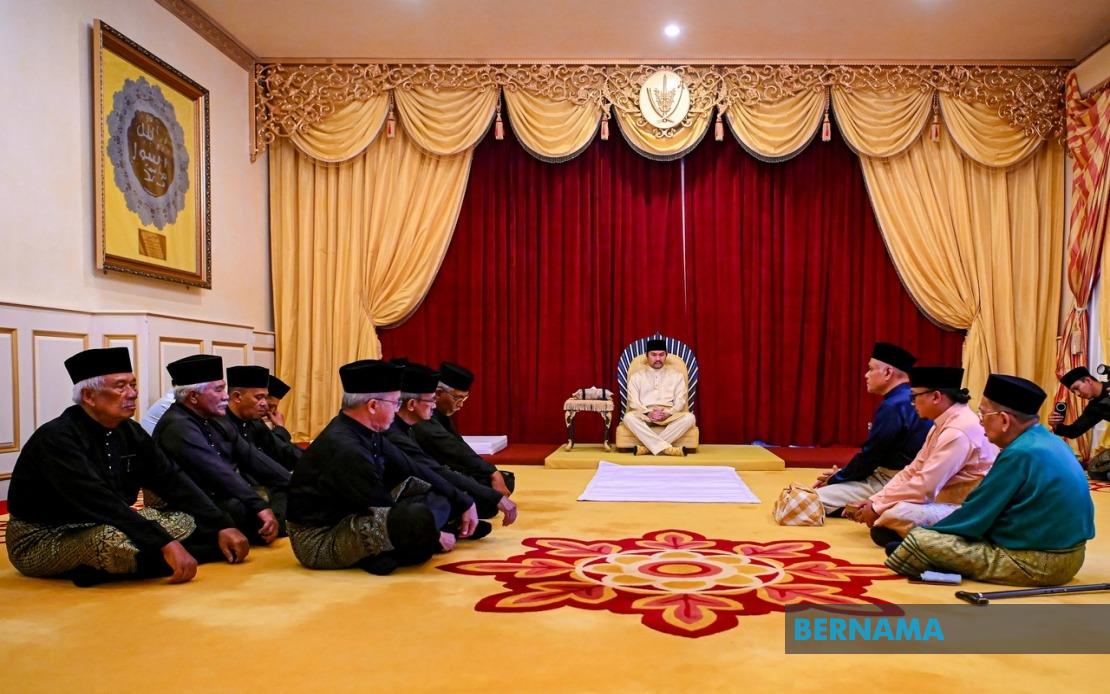
The Yang Dipertuan Besar of Negeri Sembilan, Tuanku Muhriz Tuanku Munawir, has given his blessing for a formal royal ceremony to complete the installation of the new Undang of Luak Sungei Ujong. The dignified proceedings, known as Istiadat Menghadap Menjunjung Duli Bagi Menyempurnakan Kejadian Undang Luak Sungei Ujong, will take place on Saturday morning at Istana Besar Seri Menanti in Kuala Pilah, marking an important moment in Negeri Sembilan's traditional governance structure.
Tunku Besar Seri Menanti Tunku Ali Redhauddin Tuanku Muhriz conveyed his father's consent during an audience with the Datuk-Datuk Adat of Luak Sungei Ujong and their delegation at the palace. The Tunku Besar stressed that the selection process for the new leader had been conducted strictly according to adat customs and the traditions that govern the Sungei Ujong district. He urged the adat leadership to coordinate all ceremonial arrangements with the Orang Empat Istana, the palace's ceremonial officials, to ensure the installation proceeds without complication.
Muhammad Faris Johari, a 29-year-old, has been selected as the 11th Undang of Luak Sungei Ujong following a decision by the Buapak customary council assembly. The choice was announced by Waris Negeri Sungei Ujong Datuk Sinda Maharaja Razlan Hamid, who represents the luak's interests and coordinates between the adat authorities and the state administration. The appointment represents the continuation of a system of traditional leadership that remains deeply embedded within Negeri Sembilan's constitutional and cultural framework, despite the state's modern governance arrangements.
This installation occurs following the formal dismissal of Datuk Klana Petra Datuk Mubarak Dohak from his position as the 10th Undang of Luak Sungei Ujong. The Dewan Keadilan dan Undang, the judicial and customary body responsible for such matters, accepted his removal through proper constitutional channels. Menteri Besar Datuk Seri Aminuddin Harun confirmed that the decision had been made during a special sitting convened at Istana Besar Seri Menanti and presided over by Tuanku Muhriz himself, underlining the gravity and formality of the proceedings.
Negeri Sembilan operates under a distinctive constitutional arrangement that intertwines traditional adat systems with modern state administration. The state's nine districts, or luaks, maintain their own leadership hierarchies headed by Undangs who serve important ceremonial and customary functions. These positions carry significant weight in the social and cultural life of their respective communities, though their political authority has been progressively integrated into the wider state bureaucracy over the decades.
The Saturday ceremony represents more than a mere formality. The royal audience is designed to publicly legitimise and solemnise the appointment, ensuring that the new Undang takes office with the full backing of traditional authority structures and the state's highest office. Such ceremonies serve to reinforce the continuity of Negeri Sembilan's constitutional monarchy and remind citizens of the deep historical roots underlying contemporary governance.
Interestingly, a similar installation ceremony for the 22nd Undang of Luak Rembau will also be held on the same day, following Tuanku Muhriz's approval granted the previous day. This parallel development suggests a period of leadership transition across multiple districts within the state, possibly reflecting a broader process of renewal or succession planning within Negeri Sembilan's traditional structures. The clustering of these ceremonies also demonstrates the coordinated nature of the state's adat administration.
The selection of Muhammad Faris Johari at such a young age is noteworthy within the context of traditional leadership appointments. The appointment reflects a willingness within Negeri Sembilan's adat councils to embrace younger candidates who can bring contemporary perspectives to time-honoured roles. This generational shift may signal an evolving approach to balancing traditional authority with modern expectations and governance challenges.
For broader Malaysia, developments in Negeri Sembilan's traditional leadership remain significant because they illustrate how constitutional monarchies and adat systems continue to function in certain states. While federal authority has consolidated in many areas, states like Negeri Sembilan maintain distinct constitutional arrangements that preserve indigenous leadership structures. These systems remain particularly important in rural and culturally sensitive communities where adat leaders continue to wield considerable social influence and serve as custodians of local identity.
The formal nature of these installations, involving royal audiences and ceremonial protocols, also underscores the continuing political salience of traditional legitimacy in Malaysia. Despite rapid modernisation and urbanisation, the state recognises that proper observance of customary procedures enhances governance legitimacy, particularly among communities for whom adat traditions remain integral to their sense of belonging and identity within the federation.
The coordination between state administration and adat authorities, evident in Menteri Besar Aminuddin Harun's involvement and the palace's careful oversight of procedures, reflects a mature constitutional framework. Rather than viewing traditional and modern governance as competing systems, Negeri Sembilan demonstrates how both can operate in complementary fashion, with royal authority providing constitutional oversight while adat councils maintain responsibility for customary matters and community leadership.

