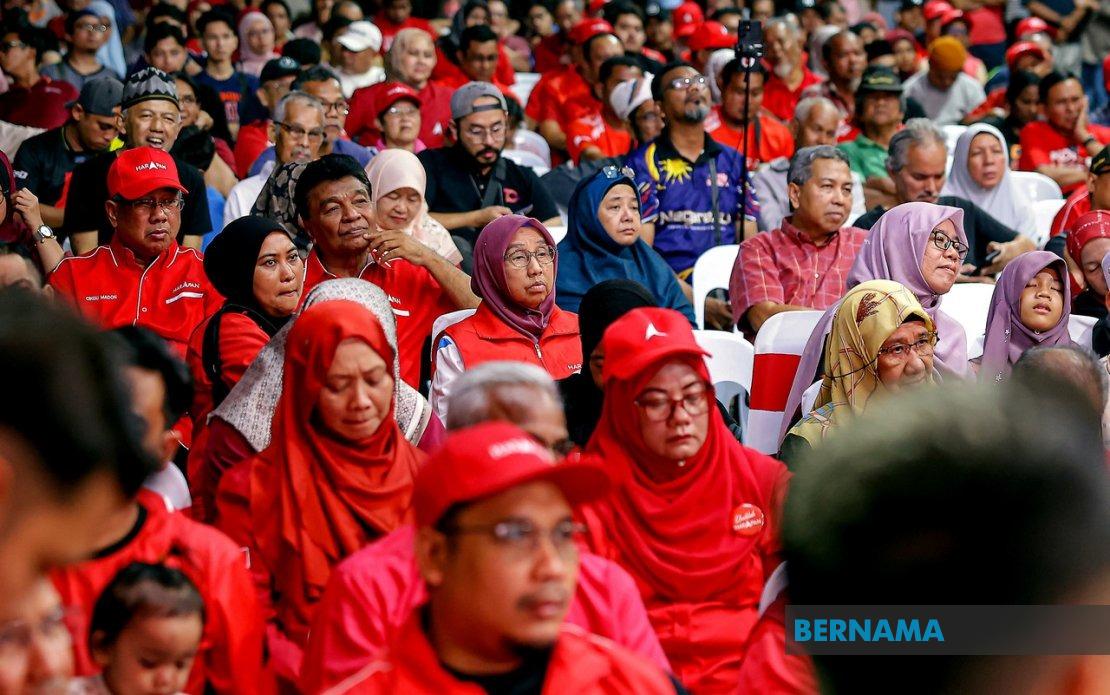
As the 16th Negeri Sembilan state election enters its sixth campaign week, a cohesive picture has emerged of what the local electorate demands from its next government: representatives who are both genuinely accessible and capable of translating promises into tangible improvements in daily life. The shift away from traditional criteria for candidacy signals a electorate increasingly focused on outcomes rather than pedigree or party affiliation.
According to findings from a Bernama survey conducted during the campaign period, Negeri Sembilan voters have moved beyond simply seeking representatives to carry their concerns to the State Legislative Assembly. Instead, constituents are explicitly demanding candidates who can deliver concrete, implementable solutions to the fundamental problems affecting their families and livelihoods. This emphasis on pragmatism over rhetoric reflects a broader regional trend visible across Southeast Asia, where voters are increasingly evaluating politicians based on their track record and capability rather than ideological positioning.
Kamarulzaman Ab Aziz, a 64-year-old retiree who spent his career in education, articulated this shift plainly when discussing his voting criteria. His perspective challenges the conventional wisdom that local origins automatically confer electoral advantage. He argues that a candidate from outside the constituency can succeed if they demonstrate genuine warmth, accessibility, and authentic engagement with community concerns. Conversely, even a locally-born candidate cannot rely on birthright if they erect barriers between themselves and constituents. This reframing suggests voters have become more sophisticated in distinguishing between superficial locality advantages and substantive representational capacity.
The cost of living crisis dominates household conversations throughout Negeri Sembilan, particularly among small business operators and traders who occupy a precarious economic position. Nurulainee Hamidon, a 37-year-old food shop owner from Linggi in Port Dickson, articulated the acute pressure facing small enterprise owners in the state. She confronts a daily squeeze: her wholesale costs for raw ingredients continue climbing, forcing her to raise retail prices, which then alienates customers already stretched by inflation. For traders like Hamidon, whichever party assumes control of state government must acknowledge this specific vulnerability and develop targeted interventions rather than generic prosperity rhetoric. The predicament of small business owners represents a critical electoral constituency that bridges urban and rural interests, making their concerns strategically significant for any incoming administration.
Rural and estate communities face distinct developmental inequities that have accumulated over years of comparative neglect. M. Manisha, a 38-year-old housewife, highlighted the persistent gap between infrastructure and service provision in peripheral areas compared to urban centres. She emphasized that inclusive development planning requires deliberate attention to estate communities and outlying settlements, ensuring that facility access and economic opportunity are distributed equitably throughout the state rather than concentrated in traditional commercial hubs. Her concern reflects legitimate grievances about historical patterns where state resources have disproportionately benefited established urban areas.
For younger voters entering the electoral process for the first time, employment prospects and wage adequacy have assumed primary importance. Mohammad Najmi Aiman, a 22-year-old college student voting in the Paroi constituency, articulated a generation's frustration with employment markets that do not reward educational attainment appropriately. He seeks candidates willing to champion policies ensuring that compensation reflects workers' actual qualifications and capabilities, addressing the chronic underemployment and wage stagnation affecting Malaysia's youth demographic. This generational concern holds implications for long-term state economic development and social stability.
Political civility emerged as an unexpected but significant concern among certain voter segments. Lim Kian, a 43-year-old private sector employee from Port Dickson, advocated explicitly for campaign conduct characterized by dignity and mutual respect among competing parties. He framed this not as idealistic preference but as practical necessity: regardless of electoral outcome, the winning party must govern a state where relationships have been damaged by vituperative campaign tactics. His perspective suggests at least some voters recognize that excessively bitter political competition creates governance challenges after polling concludes, making campaign tone a legitimate electoral consideration rather than peripheral concern.
The demographic scope of this election reflects Negeri Sembilan's mature electoral base and security sector presence. The Election Commission has registered 889,490 eligible voters across three categories: 867,151 regular voters, 16,884 military personnel and their spouses, and 5,455 police officers and their spouses. This composition indicates a state with substantial numbers of security-sector voters who may prioritize different policy issues than general population segments. A total of 103 candidates are competing across 36 state assembly seats, ensuring meaningful choice in most constituencies and preventing uncontested races.
The electoral timeline compresses the campaign period in ways that require candidates to establish rapid rapport with constituents. Early voting occurs on July 28, providing security-sector voters and others unable to vote on election day with alternative opportunities. The principal polling day is scheduled for August 1, by which point campaigns must have crystallized their messaging around the practical concerns evident in voter conversations throughout the state. This compressed schedule advantages candidates who have maintained consistent constituent contact throughout the pre-campaign period rather than those attempting to parachute into constituencies during the formal campaign weeks.
Negeri Sembilan's electoral dynamics reflect patterns observable across Malaysian state politics: gradual voter sophistication regarding the distinction between campaign promises and implementable policy, increasing demands for leader accessibility, and mounting pressure on parties to address bread-and-butter economic concerns rather than abstract political competition. The convergence of these concerns suggests that whichever coalition assumes state power will face immediate expectations to demonstrate concrete progress on cost of living, youth employment, rural infrastructure, and inclusive development. The electorate has essentially served notice that accessibility and delivery capacity have become non-negotiable leadership criteria.

