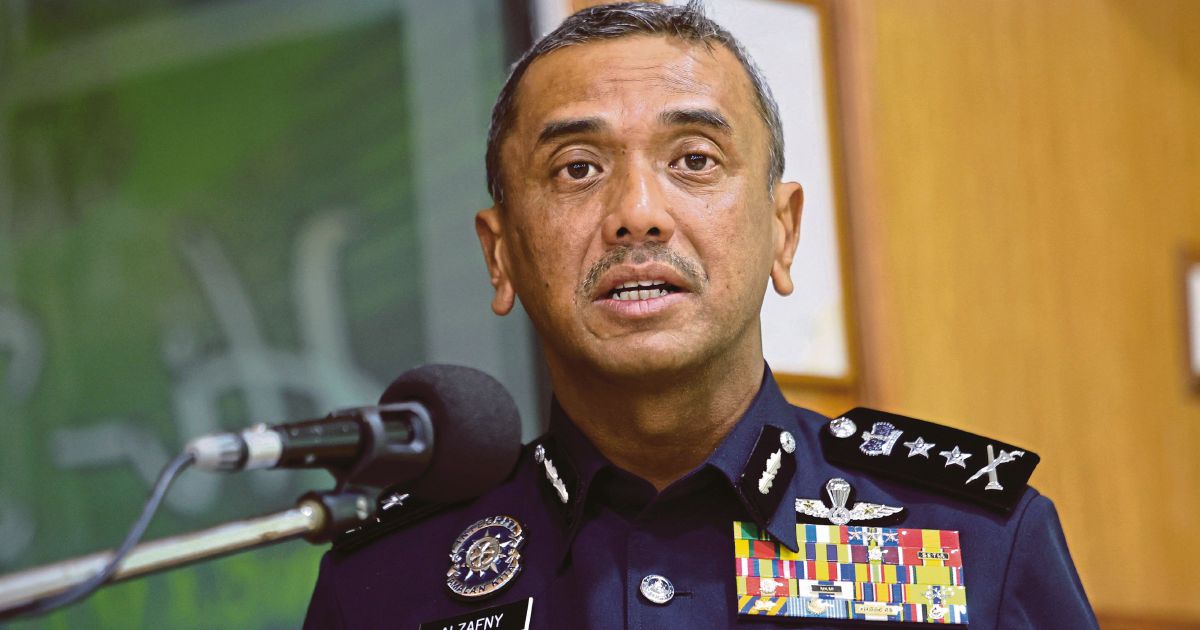
Law enforcement authorities in Negri Sembilan have issued a clear directive to all political parties participating in the forthcoming state election, urging them to exercise restraint when discussing divisive subjects throughout the campaign period. The warning, issued in Port Dickson, specifically targets matters touching on religion, royalty and race—areas traditionally considered sensitive within Malaysia's complex multiethnic and multireligious landscape. This proactive guidance reflects ongoing efforts by police to maintain public peace and harmony during electoral contests, which historically have the potential to inflame communal tensions if rhetoric becomes incendiary.
The directive comes as political campaigns intensify across Negri Sembilan, with various parties preparing messaging strategies and public engagements ahead of polling day. By explicitly flagging the 3R categories—religion, royalty and race—authorities are attempting to establish clear boundaries for acceptable campaign discourse. This approach acknowledges that while political contestation is a healthy democratic exercise, certain topics carry heightened risk of causing social friction, particularly in a state where different communities coexist and where respect for constitutional institutions, including the monarchy, remains a cornerstone of national stability.
Malaysia's electoral environment has long grappled with the challenge of balancing free political expression against the imperative to protect social cohesion. The Negri Sembilan reminder reflects a pattern seen in previous state and federal campaigns, where authorities and election commissions have similarly cautioned parties against inflammatory messaging. The specific mention of royalty is especially significant given the constitutional role of Negri Sembilan's Sultan as the head of state and titular leader of Islam in the state, whose dignity and institution are protected under Malaysia's constitutional framework.
The timing of this warning carries particular importance, as election campaigns in Malaysia frequently become platforms for politicians to appeal to specific community interests. Without clear parameters, this competitive dynamic can inadvertently push parties toward more divisive rhetoric to differentiate themselves from opponents. By establishing guidelines early, police seek to create a preventive framework that encourages all participants to focus on policy platforms, developmental agendas and governance records rather than volatile identity-based appeals.
From a regional perspective, this cautionary approach demonstrates how Southeast Asian democracies manage the delicate balance between electoral freedom and social stability. Unlike some democracies where religious and racial matters remain everyday campaign topics, Malaysia's constitutional design explicitly recognises certain subjects as warranting special protection. Article 153 of the Federal Constitution, for instance, enshrines protections for Islam's position and indigenous privileges, making discussions of these areas particularly fraught during electoral contests.
For political parties operating in Negri Sembilan, the guidance presents both a constraint and an opportunity. The constraint is obvious: campaign messaging must navigate around sensitive terrain that might otherwise attract voter attention. The opportunity lies in shifting focus toward concrete policy proposals, economic development plans and administrative effectiveness—dimensions on which voters can evaluate parties based on track records and future commitments. This reframing could elevate the quality of political discourse by forcing campaigns to compete on substance rather than sentiment.
Historically, Malaysia has experienced instances where campaign rhetoric escalated tensions, prompting post-election reconciliation efforts and calls for societal healing. By issuing preventive guidance, Negri Sembilan authorities aim to forestall such scenarios. This reflects lessons learned from previous campaigns and a recognition that police, election administrators and political party leaders all share responsibility for maintaining the integrity and peaceful conduct of the electoral process. When authorities and parties work collaboratively within established norms, election periods can strengthen democratic institutions rather than strain them.
The emphasis on avoiding sensitive issues also reflects practical considerations for law enforcement. Campaign events, rallies and public forums that inadvertently or deliberately stoke communal tensions create policing challenges and can require intensive security resources to prevent escalation. By establishing clear expectations upfront, authorities reduce the likelihood of incidents that could derail campaigns, distract from substantive political debate and potentially cause real-world harm to community relations.
For Negri Sembilan's multiethnic population, which includes significant Malay-Muslim, Chinese and Indian communities, the police directive serves as an implicit assurance that electoral competition will not be conducted in ways that threaten social peace. Voters across different backgrounds can participate in the democratic process with confidence that their security and dignity, along with those of other communities, will not become collateral damage in partisan contests. This institutional commitment to maintaining inter-communal harmony while allowing vigorous political competition is arguably one of Malaysia's distinctive features among Southeast Asian democracies.
As the campaign unfolds, enforcement of these guidelines will ultimately depend on cooperation from all stakeholders. Political parties have an opportunity to demonstrate maturity by respecting the boundaries, candidates can distinguish themselves through thoughtful engagement with voters on permitted topics, and voters themselves can reward parties that conduct campaigns responsibly. When all actors align around shared values of respect and restraint, electoral periods become occasions for citizens to engage meaningfully with the democratic process while preserving the social fabric that makes multiethnic democracy sustainable.

