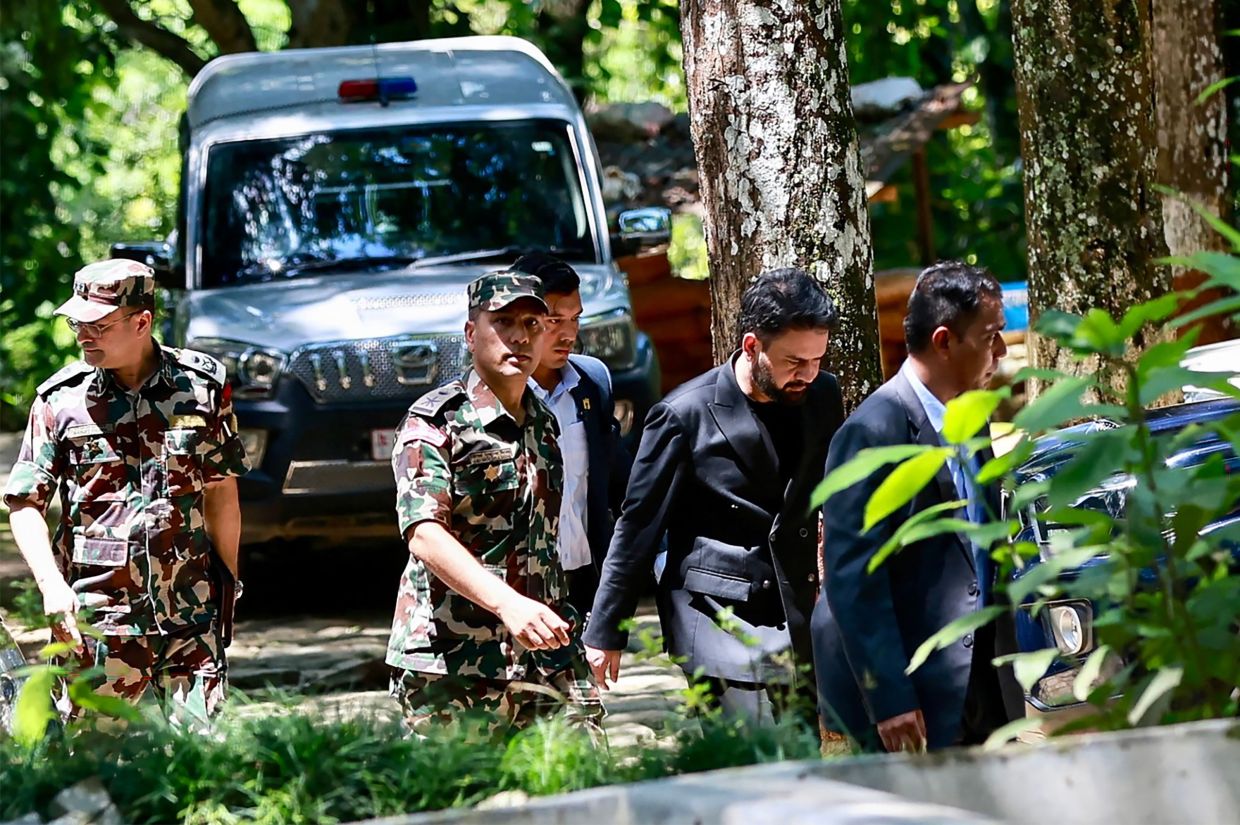
Nepal is contending with what Prime Minister Balendra Shah has characterized as an "unimaginable and heartbreaking" calamity following catastrophic flooding that has claimed at least 797 lives across Nepal and Tibet. The disaster, triggered by a massive surge of glacial ice, rock debris, and water that devastated villages and towns on Wednesday, represents one of the most severe natural disasters to strike the Himalayan nation in recent memory, presenting an unprecedented challenge to government authorities already stretched thin by economic constraints.
The cataclysmic events unfolded when the Bhote Koshi River, which runs through the Rasuwa district in northern Nepal bordering Tibet, surged with destructive force. The exact cause of the deluge has not been definitively established, though such incidents in high-altitude Himalayan regions are typically triggered by sudden glacial lake outburst floods or the collapse of unstable mountain terrain. The scale of destruction has complicated official assessments, with Shah acknowledging that authorities continue to struggle in documenting the full extent of casualties, missing persons, and damage to homes, agricultural land, and infrastructure.
The human cost remains staggering, with at least 3,048 individuals unaccounted for across both sides of the Nepal-China border. Among the missing are numerous tourists and religious pilgrims who were traveling to or from Tibet's sacred Mount Kailash, a major pilgrimage destination that attracts devotees from across Asia. The convergence of the natural disaster with a peak tourism season has compounded the tragedy, as rescue teams face logistical nightmares in reaching remote mountain villages and identifying victims in the wreckage.
Weather conditions and geographical obstacles have severely hampered rescue and relief operations. The mountainous terrain of Rasuwa, characterized by steep valleys and limited road access, makes it extraordinarily difficult for rescue teams to reach affected areas. Monsoon rains continue to pose additional hazards, creating landslide risks and rendering many routes impassable. Authorities have emphasized that ongoing environmental dangers mean rescue operations must proceed with extreme caution, slowing the pace of recovery efforts that are critical to locating survivors and providing emergency assistance.
For Shah, a 36-year-old political newcomer who rose to prominence as a rapper before entering electoral politics, this disaster arrives at a defining moment in his nascent tenure. Elected in March on a mandate for reform following the previous government's collapse amid anti-corruption protests in September, Shah must now demonstrate that his administration can manage a crisis of extraordinary proportions. His political capital, accumulated during the electoral euphoria that swept his party to victory, will be tested by Nepal's ability to mount an effective response and subsequently rebuild.
Nepal's economic fragility adds another dimension to the crisis. The nation's limited fiscal resources and dependence on external aid mean that mounting a comprehensive recovery operation strains the national budget. With reconstruction needs potentially running into billions of rupees, the government faces difficult choices regarding resource allocation and may require substantial international assistance. For a country already grappling with development challenges and infrastructure deficits, this disaster threatens to derail years of economic progress and divert capital from ongoing projects.
The flooding strikes at the political anniversary of last year's September 8-9 demonstrations that proved decisive in removing Shah's predecessor from office. That popular mobilization against corruption created the political conditions enabling Shah's electoral victory, reflecting public appetite for new leadership and transformed governance. Now, his response to this natural catastrophe will serve as a barometer of whether his government can translate electoral mandate into effective crisis management and demonstrate competence in protecting citizens.
International disaster response mechanisms have been activated, though the coordination between Nepali authorities and Chinese officials adds complexity given the cross-border nature of the disaster. Sharing information on casualties and missing persons, coordinating rescue operations, and aligning reconstruction priorities across international borders requires sustained diplomatic engagement alongside emergency response efforts. The involvement of international tourists and pilgrims in the missing persons list also brings scrutiny from their home nations and international media attention to Nepal's capacity to manage the crisis.
Shah's stated determination to overcome the disaster "through our unity and collective efforts" signals an intention to unify the nation during the crisis period. However, translating such rhetoric into coordinated action across government agencies, military units, and volunteer organizations requires sustained focus and competent administration. The coming weeks will reveal whether his administration possesses the institutional capacity and coordination mechanisms necessary to mount an effective response that preserves public confidence and demonstrates governmental competence during national emergency.

