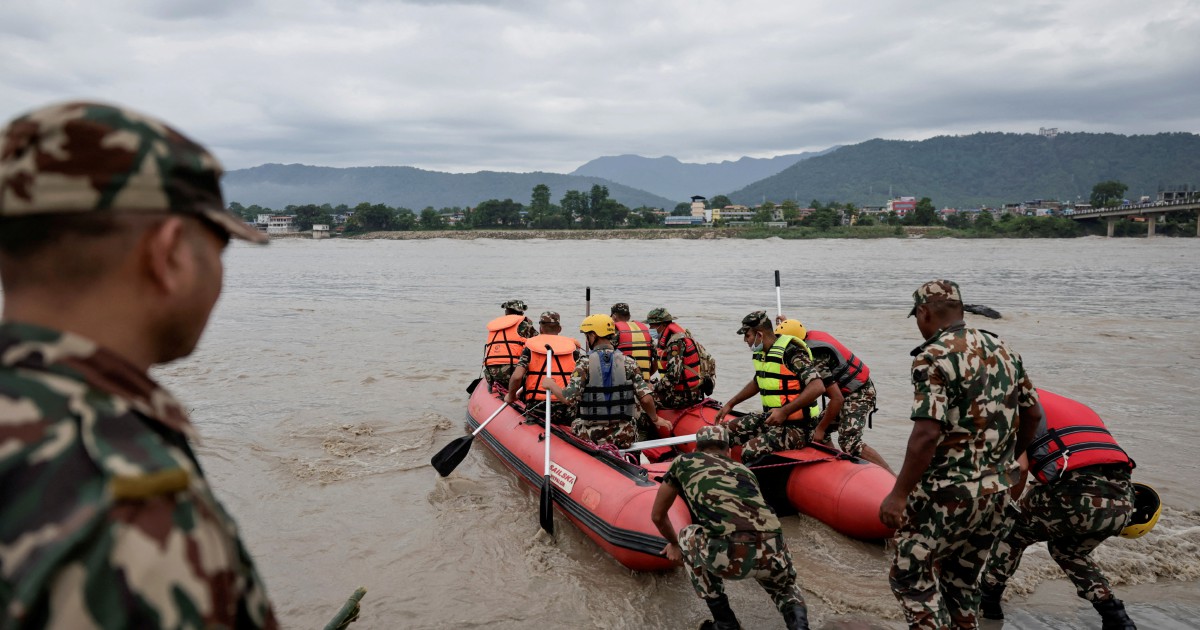
Nepal confronts an unfolding humanitarian catastrophe as torrential flooding sweeps through the Himalayan nation, leaving a trail of destruction that continues to overwhelm emergency response capabilities. Prime Minister Balendra Shah has characterised the disaster as both "unimaginable and heartbreaking", signalling the gravity of a situation that has spiralled beyond initial expectations. As search and rescue operations enter critical phases, the full human toll remains elusive, with hundreds confirmed dead and thousands still unaccounted for across affected districts.
The scale of the flooding has strained Nepal's disaster management infrastructure, already stretched thin across a nation where monsoon-related incidents occur with seasonal regularity. Unlike previous flooding events, this disaster appears to have struck with particular ferocity and breadth, affecting multiple regions simultaneously and challenging the coordination of relief efforts. Authorities have struggled to establish clear communication channels with remote communities, particularly in mountainous areas where infrastructure damage has severed transportation links and severed supply chains that residents depend upon for survival.
What makes this particular calamity distinct within Nepal's recent disaster history is the sheer concentration of destruction within compressed timeframes. Weather forecasters tracking the system noted unusually persistent atmospheric conditions that prolonged rainfall across multiple valleys and river systems. Rivers that typically swell during monsoon season exceeded flood thresholds with surprising rapidity, overwhelming embankments and inundating settlements with limited warning time for evacuation.
The government has activated emergency protocols typically reserved for national-level crises, deploying military personnel and paramilitary forces to complement civilian rescue teams. However, logistical constraints have complicated deployment strategies—helicopter access depends on weather window availability, while ground routes remain compromised by landslides and collapsed infrastructure. Medical facilities in affected zones report overwhelming patient surges, with limited capacity to treat injuries and manage sanitation concerns that inevitably follow such events.
For Malaysian and Southeast Asian observers, Nepal's predicament underscores vulnerabilities endemic to the region's geography and climate patterns. The Himalayan foothills experience intensified monsoon activity that channelises water through river systems with tremendous force and volume. Malaysia and other Southeast Asian nations face comparable challenges, particularly states with significant mountainous terrain or proximity to major river systems. The regional monsoon pattern, while essential for agricultural cycles, periodically produces extreme precipitation events that transform waterways into destructive torrents.
Nepal's experience holds particular relevance for disaster preparedness frameworks across ASEAN. The nation's response challenges—inadequate early warning systems in remote areas, insufficient evacuation infrastructure, and overwhelmed medical services—reflect systemic gaps that appear across developing economies throughout the region. Nations like Laos, Myanmar, and parts of Indonesia face remarkably similar topographical and infrastructural constraints that complicate rapid response capabilities.
The economic implications extend beyond immediate humanitarian concerns. Nepal's tourism sector, a critical foreign exchange earner, faces significant disruption as international visitors postpone trips and infrastructure damage forces closure of popular trekking routes and heritage sites. Agricultural regions in the lowlands confront crop destruction and livestock losses, compounding food security challenges for rural communities already operating near subsistence margins. Reconstruction timelines could stretch across months or years depending on damage assessments currently underway.
International aid mobilisation presents both opportunity and challenge. Neighbouring countries including India have already signalled willingness to provide assistance, while global humanitarian organisations are positioning resources for deployment. However, Nepal's geographic isolation and weak transportation networks can impede rapid aid distribution, a reality that complicates even well-intentioned international support efforts. Regional cooperation mechanisms must balance urgent assistance with respecting national sovereignty and coordination authority.
The political dimensions of disaster response will shape Nepal's public discourse in coming weeks. Prime Minister Shah's characterisation of the crisis as "unimaginable" acknowledges that preparation and planning, however thorough, cannot fully insulate vulnerable populations against nature's extremes. Citizens will scrutinise government response effectiveness, examining whether early warning systems functioned adequately and whether evacuation protocols saved lives. Public confidence in institutional capacity to manage crises influences long-term resilience and social cohesion.
For Nepal's development trajectory, this disaster underscores the necessity of substantial infrastructure investment in flood mitigation systems, early warning networks, and healthcare capacity expansion. Donor nations and multilateral institutions may find compelling justification for increased climate adaptation financing within the country. Regional frameworks addressing transboundary water management could receive renewed attention, as monsoon systems do not respect political boundaries and coordinate regional response often proves more effective than isolated national efforts.
As recovery operations continue, the human stories emerging from affected communities will illuminate both tragedy and resilience. Families searching for missing relatives, neighbours assisting strangers through dangerous conditions, and communities rebuilding from rubble represent the complex reality of disaster response. Nepal's experience will inform regional understanding of climate risks and institutional preparedness, potentially influencing how Southeast Asian nations structure their own disaster management strategies in anticipation of future extreme weather events.

