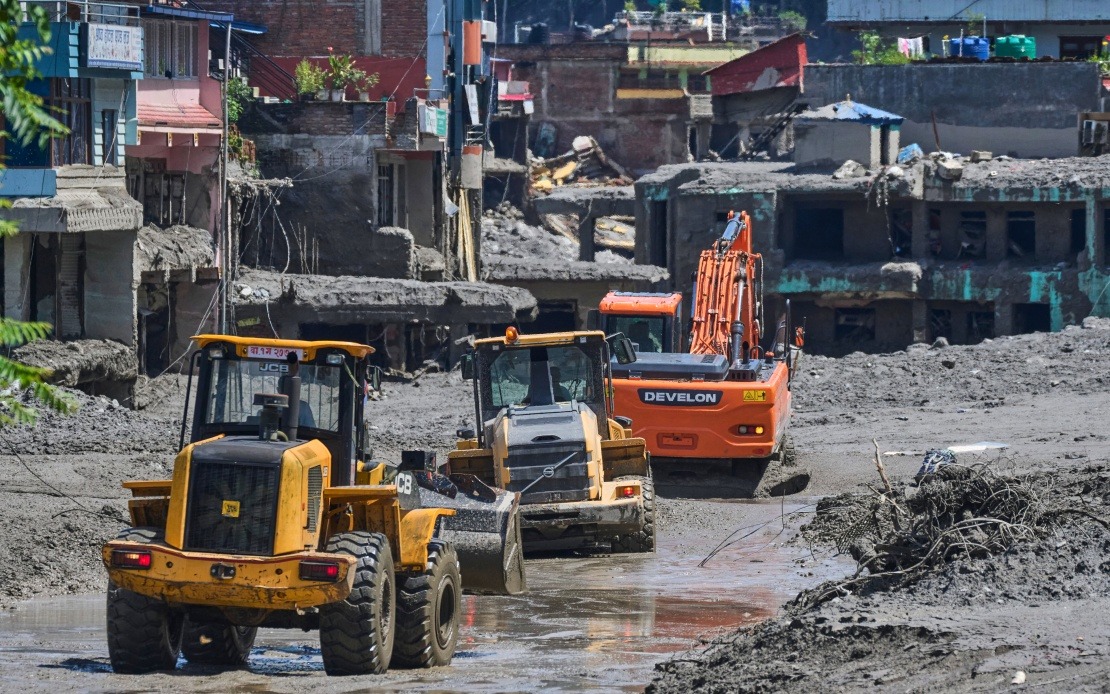
Following a catastrophic flooding event in the Bhote Koshi River on Wednesday, Nepal's government has moved swiftly to mobilise comprehensive disaster response operations across affected communities. The Embassy of Nepal in Kuala Lumpur confirmed on Thursday that authorities have placed search, rescue, relief and emergency coordination at the forefront of their response strategy, with ongoing efforts to locate survivors and assess the full scale of casualties and structural damage.
The deluge wreaked havoc across four districts in central Nepal, with Rasuwa, Nuwakot, Dhading and Gorkha bearing the brunt of the disaster. Residents in these mountain communities have faced not only immediate threats to their lives but also destruction to their homes, livelihoods and essential infrastructure including roads, bridges and water supply systems. Early reports indicate that the flooding has displaced hundreds of families and caused significant loss of life, though the exact death toll remained unclear as rescue operations continued.
The Office of the Prime Minister and Council of Ministers has taken the lead in coordinating relief efforts, with multiple government agencies and security forces deployed to affected areas. Search teams have been combing through flood-ravaged valleys and communities to locate missing persons, while medical personnel stand ready to provide emergency healthcare. Simultaneously, preliminary damage assessments are underway to determine the true extent of destruction and the resources required for rehabilitation.
Recognising that immediate emergency response must be followed by sustained rehabilitation efforts, Nepal's leadership has made a public appeal for financial support from individuals, businesses, civil society organisations and international well-wishers. The government has specifically emphasised the need for resources directed towards safely relocating displaced families and financing long-term recovery programmes that will help these communities rebuild their homes and restore economic activities.
The diplomatic mission in Malaysia has played an active role in channelling international support, appealing directly to the Nepali diaspora scattered across the country. The embassy's statement recognised that members of the Nepali community in Malaysia, local Nepali associations, business leaders and humanitarian workers possess both the capacity and compassion to contribute meaningfully to relief efforts. By mobilising this network of supporters, Nepal seeks to tap into the strong cultural and emotional bonds that connect expatriates to their homeland during times of crisis.
To facilitate donations, Nepal has established dedicated financial channels through two major banking institutions. The Prime Minister's Disaster Relief Fund and the Prime Minister's Relief Fund maintain designated accounts at Rastriya Banijya Bank, with the account numbers 1130100003762001 and 1130100000006006 respectively. Nepal Bank Limited also hosts relief accounts numbered 00211600510039000003 and 00200100510039000001, providing donors with alternative banking channels based on their personal banking relationships.
For donors seeking transparency and verification, the embassy has published comprehensive information including Quick Response codes linked to each bank account. This digital infrastructure allows contributors to confirm they are transferring funds to legitimate government relief mechanisms rather than unofficial or fraudulent channels, a crucial safeguard that often emerges during post-disaster fundraising periods. The provision of detailed account information and verification codes demonstrates Nepal's commitment to maintaining public confidence in relief fund administration during a time of national emergency.
The mountain districts affected by this disaster have historically remained economically vulnerable and geographically isolated, characteristics that compound their vulnerability to natural calamities. Rasuwa, Nuwakot, Dhading and Gorkha are predominantly rural regions dependent on agriculture, forestry and local trade, meaning that infrastructure destruction directly threatens the food security and income generation capacity of thousands of households. Previous flooding events in these areas have demonstrated the prolonged nature of recovery, often extending beyond the initial emergency response phase.
From a regional perspective, this disaster underscores the ongoing climate-related vulnerabilities that Himalayan communities across South Asia continue to face. The increasing frequency and intensity of monsoon-related flooding have prompted renewed discussions about disaster risk reduction, environmental management and transnational cooperation on river basin management. For Malaysia and other Southeast Asian nations observing these developments, the Nepali experience provides important lessons about preparedness protocols and the integration of immediate disaster response with longer-term climate adaptation strategies.
The appeal to Nepali nationals living in Malaysia reflects the broader pattern of diaspora communities playing crucial humanitarian roles during home country disasters. Malaysian-based Nepali workers, who contribute substantially to Malaysia's construction, hospitality and domestic service sectors, maintain strong ties to their birthplaces and families. The embassy's coordinated fundraising approach recognises that this community can rapidly mobilise resources and awareness among their immediate social networks, amplifying the impact of relief campaigns beyond traditional government channels.
As operations continue in the flood-affected zones, coordination between Nepali government agencies and international humanitarian organisations remains essential for ensuring that relief reaches the most vulnerable populations efficiently. The initial emergency phase, lasting typically several weeks, focuses on preventing additional loss of life and stabilising the immediate humanitarian crisis. However, the transition to medium and long-term reconstruction—requiring sustained financial commitment and technical expertise—will determine whether these communities can rebuild sustainably or whether disaster-induced poverty traps emerging from the floods persist for years.

