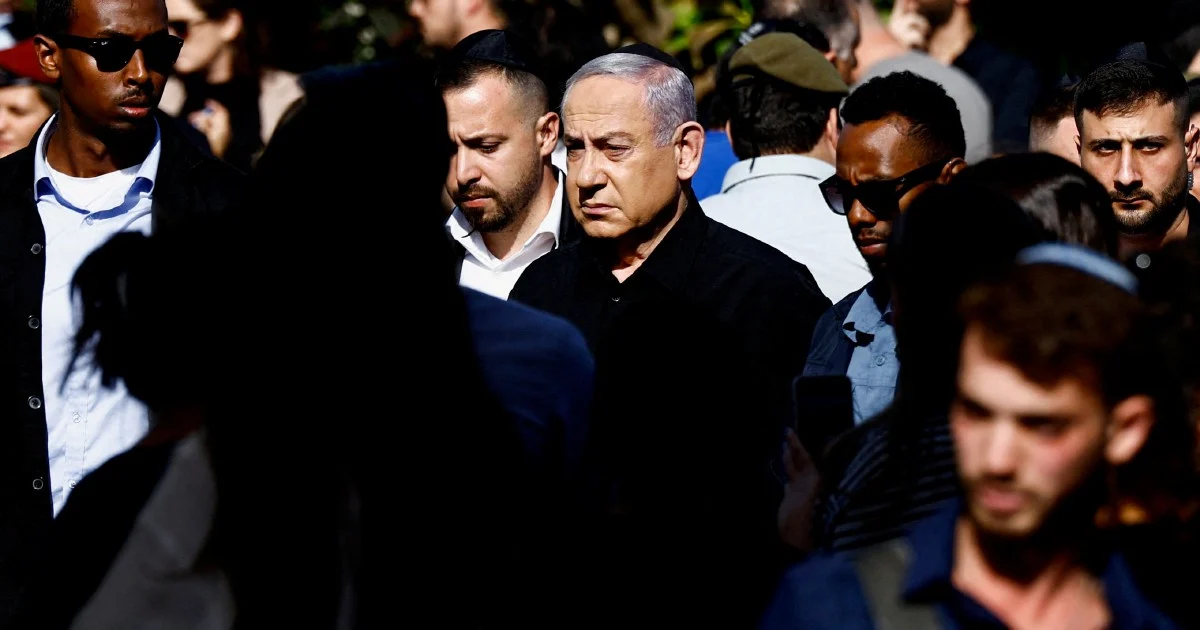
Benjamin Netanyahu's extended courtroom testimony has formally concluded, the Israeli Justice Ministry confirmed on Wednesday, bringing a major procedural phase of his ongoing corruption cases to a close. The completion of the Prime Minister's evidence-giving represents a watershed moment in trials that have persistently occupied headlines throughout his political career, even as he continues managing the demands of high office amid complex international relations.
Netanyahu faces multiple charges spanning bribery, fraud, and breach of trust across three separate legal cases—charges he has consistently denied and characterised as a politically motivated persecution. His decision to personally testify in court rather than relying solely on written submissions signalled the gravity with which he approached mounting legal exposure, despite the extraordinary demands such proceedings place on an active head of government. The completion of his testimony indicates the judicial process has entered a new phase, though final verdicts remain months or years away.
The timing of the conclusion underscores the peculiar pressures operating on Netanyahu's administration. Simultaneously with wrapping up his testimony, the Prime Minister has been navigating diplomatic fallout from international negotiations over Iran's nuclear programme. The broader Middle Eastern community, including Israel's traditional allies and regional observers from Southeast Asia monitoring Middle Eastern stability, have watched closely as discussions shape the geopolitical landscape affecting energy markets, international trade, and security architecture across Asia.
Israel has articulated serious reservations about any renewed agreement that might ease international restrictions on Iranian activity. Netanyahu's government views such arrangements with considerable scepticism, believing they inadequately address security concerns or sufficiently constrain Tehran's regional influence and weapons development ambitions. This stark disagreement with international diplomatic efforts compounds the domestic political pressure already weighing on his administration through the simultaneous criminal proceedings.
For Malaysian observers and other Southeast Asian nations, the intersection of Netanyahu's legal troubles with evolving Middle Eastern geopolitics carries real implications. The region remains an important source of energy supplies, investment, and maritime security considerations vital to regional prosperity. Leadership distracted by legal proceedings may struggle to project the diplomatic clarity or strategic consistency necessary for stable regional relations, potentially affecting calculations about alliance reliability and bilateral engagement.
The corruption investigations themselves originated from allegations spanning Netanyahu's years in office, examining whether he extended political favours in exchange for positive media coverage, received improper gifts, and leveraged his position for personal advancement. The trials have become a defining feature of Israeli democracy, demonstrating the judiciary's willingness to examine even the highest office without exemption, though critics argue the proceedings reflect deeper political divisions within Israeli society.
Netanyahu's defence strategy has emphasised systemic bias within the prosecution and claimed vindictive motivations from political opponents. His legal team has argued that evidence presented fails to substantiate charges beyond reasonable doubt and that procedural irregularities have compromised the integrity of investigations. These arguments will feature prominently in the judicial analysis that follows, though the very fact of presidential testimony substantively changes the case's trajectory.
The psychological and political toll of simultaneous governance and courtroom appearances has been substantial. Netanyahu has spent considerable hours in the witness box, subjected to cross-examination regarding his actions and motivations. Observers have noted the strain such dual demands create on any political leader, particularly one navigating the extraordinarily complex security and diplomatic landscape confronting Israel.
Regional analysts note that prolonged legal uncertainty affects not only Netanyahu personally but also Israeli government capacity to project strategic vision and execute long-term policies. International partners and regional actors must calibrate their engagement with an administration whose leadership faces uncertain legal outcomes. The completion of testimony may provide some respite, though the judges' eventual determination could trigger substantial domestic political upheaval regardless of the verdict.
The verdicts, when they eventually materialise, will carry profound implications beyond Netanyahu's personal fortune. A guilty verdict might trigger succession arrangements and force Israeli political realignment, whilst an acquittal could vindicate his claims of persecution and reshape perceptions of the judiciary's independence. Either outcome will resonate through Israeli politics and affect regional stability calculations that Malaysian policymakers and other Southeast Asian governments monitor carefully when assessing Middle Eastern trajectories.