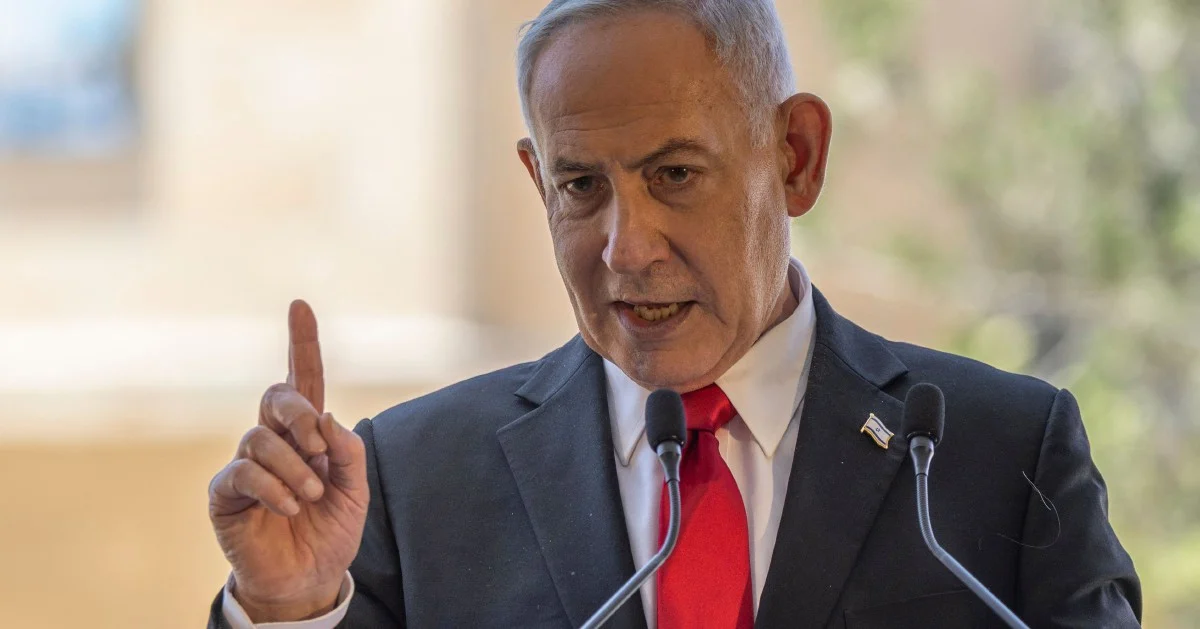
With Israel's parliamentary term approaching its formal conclusion in the coming days, Prime Minister Benjamin Netanyahu has thrown his administration into legislative overdrive, seeking to advance a stack of bills that have drawn considerable opposition criticism. The decision to accelerate passage represents a final window of opportunity before the Knesset dissolves and elections occur roughly four months hence—a compressed timeline that leaves lawmakers racing against the calendar to lock in policy changes.
This legislative sprint underscores the political calculus facing Netanyahu as his tenure in office nears a transition point. Rather than allow incoming parliamentarians to decide the fate of proposed measures, the current government has chosen to maximise its remaining authority by pushing through agenda items that might otherwise face stronger resistance under different parliamentary arithmetic. The tactic, while procedurally legal, has ignited considerable debate about governance and the proper scope of executive action during lame-duck periods.
Opposition factions have mobilised against what they characterise as an attempt to entrench policies without sufficient public deliberation or consensus-building. Their critiques extend beyond individual bills to encompass the underlying strategy of using a truncated legislative calendar to bypass normal scrutiny mechanisms. This dynamic has become a recurring feature of Israeli politics, where governments frequently seek to advance contentious measures during windows when their parliamentary majority remains intact.
The bills themselves touch on a range of policy domains, each carrying implications that extend beyond immediate legislative mechanics. Some measures would alter institutional arrangements or modify funding structures in ways that opposition parties argue disproportionately benefit particular constituencies or ideological camps. Others would shift administrative authorities or restructure oversight mechanisms in directions that critics say lack broader democratic warrant.
The timing of this legislative push reflects broader contextual pressures within Israeli politics. Netanyahu's coalition has faced internal strains and external challenges that may not persist following the upcoming elections. Advancing his administration's agenda now effectively locks in gains that might be reversed or substantially modified under a differently configured parliament. This forward-looking calculation drives the urgency animating current efforts.
For Malaysian readers observing Israeli parliamentary dynamics, this situation illustrates how coalition governments with narrow majorities often resort to aggressive legislative tactics when facing potential electoral displacement. The phenomenon is not unique to Israel; regional and global democracies frequently witness similar patterns when governing coalitions sense their tenure approaching conclusion. Understanding these dynamics provides insight into how institutional structures shape political behaviour across different parliamentary systems.
The international dimension warrants consideration as well. Israel's legislative processes attract scrutiny from global observers who regard certain bills as affecting regional stability or international law obligations. The compressed timeline compounds concerns among foreign governments and international bodies that may lack adequate opportunity for formal response or representation in the legislative process.
The dissolution timeline creates particular challenges for deliberative democracy. Normally, contentious legislation benefits from extended review periods, committee hearings, and multiple readings that allow for public input and scholarly analysis. The accelerated calendar truncates these safeguards, raising concerns among good governance advocates about the quality of legislative decision-making under time pressure. Opposition parties argue that substantive bills deserve more thorough examination than the current schedule permits.
Within Israel's political landscape, the episode highlights enduring tensions between electoral accountability and executive authority. The government commands its parliamentary majority legitimately through electoral processes, yet the opposition contends that using that majority to entrench policies in the final legislative moments represents a departure from democratic norms even if not technically unlawful. This conceptual disagreement reflects deeper philosophical differences about the proper relationship between governing responsibility and competitive democracy.
The bills advancing through parliament carry potential long-term consequences for Israeli governance, social policy, and institutional functioning. Some measures, once enacted, would prove difficult to reverse even with subsequent parliamentary majorities. This ratcheting effect—whereby laws passed during one political configuration become permanent features of the legal landscape—concerns observers who worry about stability and predictability in national governance.
Regional implications merit attention as well. Neighbouring states and international stakeholders monitor Israeli legislative developments, particularly those affecting security arrangements, administrative authorities, or institutional relationships. The accelerated passage of contested bills may create diplomatic friction or complicate ongoing negotiations on matters of mutual concern.
As the Knesset prepares to formally dissolve, Netanyahu's final legislative push represents a culmination of governance strategies that have characterised his tenure. Whether these measures prove durable under subsequent parliamentary configurations remains an open question that will partly depend on how decisively electoral outcomes shift the political balance.

