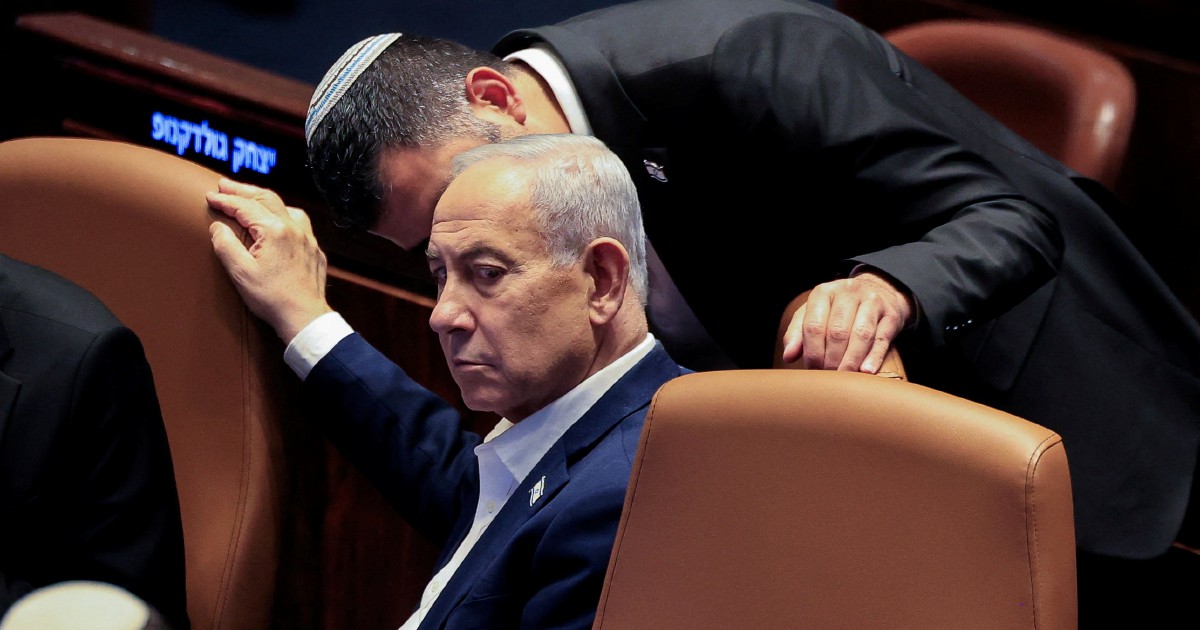
Benjamin Netanyahu's office launched a scathing rebuke of New York Mayor Zohran Mamdani on Sunday after the municipal leader raised the possibility of detaining the Israeli Prime Minister during his visit to New York for an upcoming United Nations gathering. The diplomatic spat underscores the fraught political atmosphere surrounding Israel's leadership internationally, particularly regarding allegations of war crimes and questions of accountability that have gained traction among progressive political figures in the United States.
Mamdani's provocative comments have placed the mayor at the centre of a broader debate about international law enforcement, diplomatic immunity, and the obligations of American municipal authorities when hosting visiting dignitaries. The remarks suggest growing internal discord within American political circles over how to handle Netanyahu's participation in international forums, with some officials grappling with moral and legal tensions between hosting protocols and accountability concerns.
The Prime Minister's office response reflects Israel's consistent position that Netanyahu enjoys protection under international diplomatic conventions. Officials in Tel Aviv argue that any attempt to interfere with Netanyahu's movements during official international business would constitute a serious breach of established diplomatic practice. This response also signals Israel's heightened sensitivity to legal challenges and reputational damage emanating from Western democracies, particularly as the country faces increased scrutiny over military operations.
Mamdani's position as New York's mayor gives his comments particular weight, given that the city frequently hosts the United Nations General Assembly and serves as a regular venue for international diplomacy. The mayor's suggestion that he would examine whether grounds exist to arrest Netanyahu highlights how domestic political pressures and international accountability movements have begun to influence municipal-level decision-making in America. This represents a notable shift in how some American officials publicly engage with Israeli leadership.
The underlying context involves various international legal mechanisms and warrants that have been issued against Netanyahu in different jurisdictions. The International Criminal Court has been examining cases related to Israeli military operations, and human rights organizations have pursued legal avenues in multiple countries. These efforts have created a complex landscape where visiting dignitaries face potential legal exposure in jurisdictions beyond their home countries, though diplomatic immunity provisions typically shield sitting heads of government.
For Malaysian readers and Southeast Asian observers, this incident illustrates the increasingly polarized nature of American domestic politics regarding Middle Eastern conflicts and the degree to which internal American disputes over foreign policy now manifest in municipal-level diplomacy. The fraying of traditional protocols governing diplomatic visits signals how deeply conflicted Western societies have become over questions of accountability for military operations and civilian casualties.
The tension between hosting obligations under international law and emerging movements for accountability presents a genuine challenge to the international diplomatic system. Countries that have long upheld the established order—including robust protection for visiting heads of state—now grapple with domestic political demands that those protections be conditional on conduct standards. This creates unpredictability for international relations generally and raises questions about how the system will function as similar accountability movements gain momentum elsewhere.
New York City's particular vulnerability to these pressures stems from its role as the primary venue for the United Nations and its highly diverse population that includes substantial communities invested in Palestinian causes. The mayor's public weighing of arrest possibilities reflects this political reality and suggests that future high-level visits by Israeli or other controversial leaders may face increasingly robust domestic opposition. This complicates traditional diplomatic choreography that has long assumed clear separation between a host nation's domestic politics and its obligation to facilitate international meetings.
Israel's sharp response indicates that Netanyahu's government will not tolerate further erosion of diplomatic norms, at least not without public protest. Officials in Tel Aviv appear concerned that allowing such rhetoric to pass unchallenged might embolden other municipal or national leaders to pursue similar legal strategies. The office's denunciation thus serves as both a defense of established diplomatic protocols and a warning to other potential actors considering analogous moves.
The incident raises significant questions about the future of international diplomacy in an era of heightened polarization and accountability movements. As civil society organizations and political leaders increasingly challenge the immunity protections traditionally afforded sitting heads of state, the predictability that underpins international engagement faces genuine threats. How the diplomatic community resolves these tensions will have implications extending far beyond the Israeli-Palestinian conflict and will shape whether the international system can continue functioning as it has for decades.

