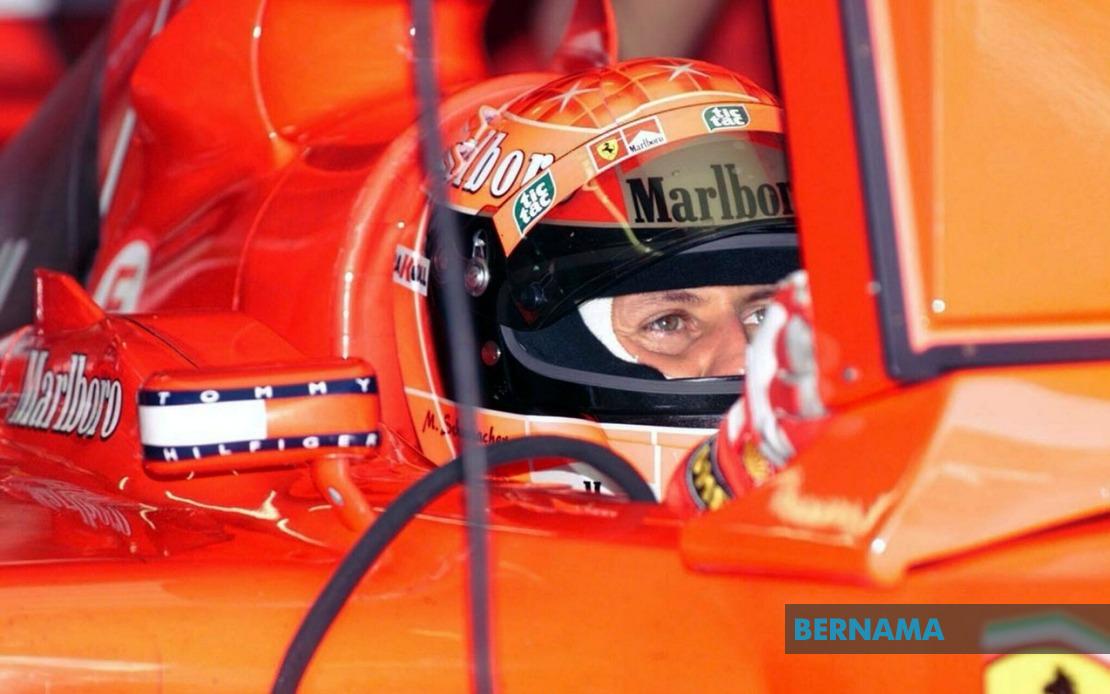
Netflix has scheduled the release of a documentary exploring German Formula One legend Michael Schumacher's historic yet turbulent 1994 championship season for October 2. Produced in collaboration with Schumacher's wife Corinna, the film traces his ascent from outsider to world champion, a narrative that unfolds against one of motorsport's most contentious and tragic backdrops. The documentary represents a rare opportunity for fans to revisit a watershed moment in racing history through intimate testimonies from those who witnessed it firsthand.
The 1994 season remains etched in Formula One folklore as a year of extraordinary sporting achievement overshadowed by controversy and heartbreak. At just 25 years old, Schumacher claimed the first of his record-tying seven world titles, yet the championship was marred by widespread allegations that his Benetton team employed technological innovations that breached regulations. These claims of cheating transformed the season finale at Adelaide, Australia into one of the most disputed races in the sport's annals. Schumacher's one-point victory over British driver Damon Hill crystallized a championship tainted by accusations that would fuel debate for decades among motorsport enthusiasts and analysts.
Beyond the competitive drama lies a far grimmer dimension that defines 1994 as a watershed moment for Formula One. The season witnessed the deaths of two prominent racing drivers, representing an unparalleled tragedy for the modern sport. Belgian driver Roland Ratzenberger perished during qualifying sessions, while the three-time world champion Ayrton Senna met his end at the San Marino Grand Prix in Imola, a tragedy that shook the racing world and prompted broader conversations about safety standards and risk tolerance in motorsport. These deaths cast a sobering shadow over Schumacher's championship triumph, complicating the narrative of his rise and framing his success within a context of profound loss.
The documentary assembles an impressive cast of witnesses and participants who offer multifaceted perspectives on this pivotal season. Schumacher's wife Corinna provides intimate insights into his character and mindset during this transformative period. Flavio Briatore, who served as Benetton team principal during the controversial year, offers the team's perspective on the cheating allegations that dominated headlines. Bernie Ecclestone, the former Formula One commercial chief who shaped the sport's commercial landscape, brings decades of institutional memory to bear on the season's significance. David Coulthard, who competed against Schumacher during this era, provides a rival's viewpoint on the champion's driving and the season's developments. Willi Weber, Schumacher's manager at the time, rounds out the ensemble with insights into how the young driver navigated the intense pressures and controversies surrounding his campaign.
The film also examines the emergence of what became known as "Schumi-mania," a phenomenon rooted in German national pride and sporting enthusiasm that would define Schumacher's career trajectory. This cultural dimension illustrates how Schumacher's success transcended mere sporting achievement, becoming a matter of national significance in Germany. His rise coincided with a period of profound national transformation following German reunification, lending his accomplishments symbolic weight beyond the racetrack. The documentary explores how a racing driver became an avatar for German resurgence and pride, particularly within his home nation.
Schumacher's current circumstances lend poignancy to this retrospective examination of his 1994 triumphs. Now aged 57, the seven-time world champion has remained largely removed from public view since sustaining a severe head injury during a skiing accident in 2013. That incident marked a dramatic turning point in his life, leaving him unable to participate in the public sphere and relegating him to private recovery. The documentary's exploration of his championship years thus takes on added resonance, capturing his racing dominance and public prominence at a time before illness fundamentally altered the trajectory of his later life.
For Malaysian and Southeast Asian motorsport enthusiasts, the documentary offers valuable historical context for understanding Formula One's evolution and the sport's contemporary safety culture. The tragic deaths of Ratzenberger and Senna in 1994 prompted significant regulatory reforms that have contributed to the sport's improved safety record in subsequent decades. The tragic events of that season demonstrate how sporting competition must ultimately be balanced against human welfare considerations, a principle that has shaped racing governance worldwide. Younger fans in the region will gain insight into why 1994 remains a reference point for discussions about driver safety and regulatory oversight.
The Benetton controversy that dogs this championship also reflects broader themes about competitive advantage and the boundaries of technological innovation in sport. The allegations that the team had used illegal traction control systems, despite Benetton's denials, raised fundamental questions about how authorities should police technical regulations and what penalties should apply to potential violations. These debates continue to resonate in contemporary Formula One discussions about cost caps, power unit regulations, and competitive parity, making the 1994 season relevant to understanding current governance challenges.
Schumacher's championship victory, contested though it was, launched him toward an unprecedented domination of Formula One. His record seven titles and numerous records would eventually define him as arguably the greatest driver of his generation and a legitimate contender for the title of greatest of all time. The Netflix documentary, by focusing on the beginning of this legacy, invites viewers to consider how greatness emerges, what price accompanies achievement, and how sport must reckon with both triumph and tragedy in equal measure.

