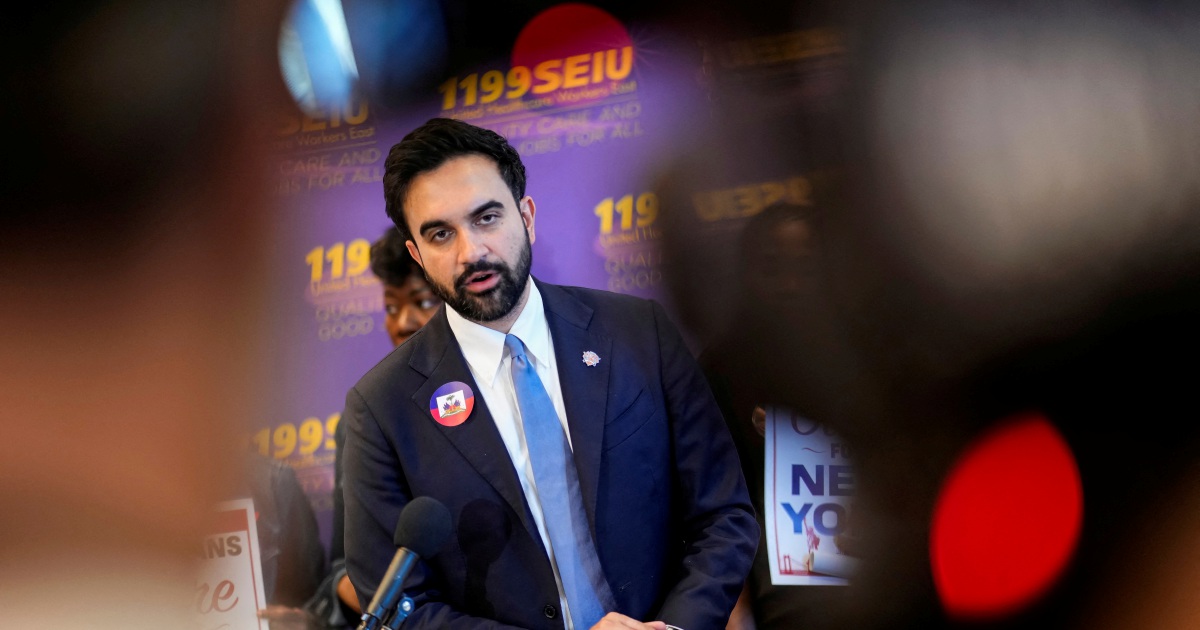
New York Mayor Zohran Mamdani signalled on Saturday that his administration is actively considering whether to move forward with an arrest of Israeli Prime Minister Benjamin Netanyahu when the latter attends an upcoming UN summit in the city. The revelation, made during a published interview, has ignited diplomatic tensions and drawn an immediate rebuke from Netanyahu's office, which characterised the suggestion as politically motivated interference.
The prospect of arresting a sitting foreign leader on American soil carries profound legal and diplomatic implications. Such an action would require coordination with law enforcement, the judiciary, and potentially the U.S. federal government, given the sensitivity surrounding actions taken against heads of state visiting for international gatherings. The UN summit provides Netanyahu with what would normally be diplomatic protections afforded to leaders attending official functions on U.S. territory.
Mamdani's deliberation underscores the intensifying political divisions within the United States regarding Israel and its policies toward Gaza and the Palestinian territories. The New York mayor's consideration of an arrest warrant reflects broader grassroots and political pressure from constituencies concerned about civilian casualties and humanitarian conditions resulting from Israeli military operations. This positioning has become increasingly central to American domestic politics, particularly within major urban centres with substantial Arab-American and progressive populations.
For Southeast Asian observers, this episode illustrates how international disputes can fracture democratic societies internally. Malaysia, home to significant Palestinian solidarity movements and a Muslim-majority population, has long maintained vocal criticism of Israeli policies. The New York situation demonstrates that such divisions extend deeply into the American political establishment itself, affecting even routine diplomatic protocols that have historically remained above partisan contestation.
The Israeli Prime Minister's camp has not remained silent on the matter. Netanyahu's representatives have characterised Mamdani's statements as an attempt to weaponise the legal system for political purposes. They argue that such manoeuvres undermine the traditional norms governing diplomatic immunity and the treatment of foreign leaders attending international forums. This friction reflects wider tensions between different interpretations of international law and the permissibility of pursuing arrest warrants against sitting officials.
The legal basis for any potential arrest would likely involve international criminal justice mechanisms or U.S. domestic law provisions concerning alleged war crimes or crimes against humanity. However, the United States maintains longstanding policies regarding diplomatic immunity, which typically shield heads of state and senior officials from prosecution while performing official functions. Any move by Mamdani's administration to circumvent these protections would represent a significant departure from established practice and would almost certainly trigger intense controversy among America's diplomatic partners.
The timing of these remarks—ahead of a major UN gathering—suggests calculated political messaging as much as genuine legal deliberation. Mamdani appears to be signalling to constituencies concerned about the Gaza conflict that municipal authorities are prepared to explore all available options to hold Israeli leadership accountable. Simultaneously, such statements serve notice to Netanyahu's government that American political opposition to its policies extends into the machinery of local government in the nation's largest city.
For regional Southeast Asian governments, this development raises questions about how international law and diplomatic norms are applied inconsistently across different geopolitical contexts. Malaysia and other ASEAN nations have observed how Western powers invoke universal legal principles selectively depending on their strategic interests. The New York situation exemplifies these apparent double standards, where considerations of political alliance often supersede commitment to consistent application of international law.
The episode also reflects broader American polarisation over Middle Eastern policy. Previous administrations maintained relatively consistent approaches toward Israeli-American relations, but contemporary American politics has fractured these traditional alignments. Progressive activists and politicians increasingly view support for Israeli policies as incompatible with human rights commitments, while establishment figures worry about destabilising the regional order and alienating an important ally.
Meanwhile, the diplomatic mechanics of hosting the UN summit face complication. American hosts traditionally facilitate the participation of all UN member states' representatives, including Israeli delegations. Introducing arrest warrant considerations into this equation creates unprecedented complications for event security, logistics, and America's standing as custodian of the UN headquarters. Diplomatic channels typically handle such sensitive matters behind closed doors rather than through public mayor's office statements.
The broader context includes recent international criminal court developments affecting Israeli and Palestinian leadership. The International Criminal Court's prosecutor has pursued investigations into alleged crimes by both Israeli forces and Palestinian armed groups. These international mechanisms have added legal texture to what remains fundamentally a political dispute, though with consequential implications for how state actors navigate international forums.
For Malaysian policymakers and observers, the New York mayor's deliberations underscore that consensus on international law and diplomatic practice is fracturing. Nations that value sovereignty, respect for diplomatic protocols, and consistent application of international norms must navigate a world where these principles are increasingly contested and subordinated to domestic political pressures. Southeast Asian countries will need to carefully assess how these American internal divisions affect their own engagement with both Western and Middle Eastern powers.

