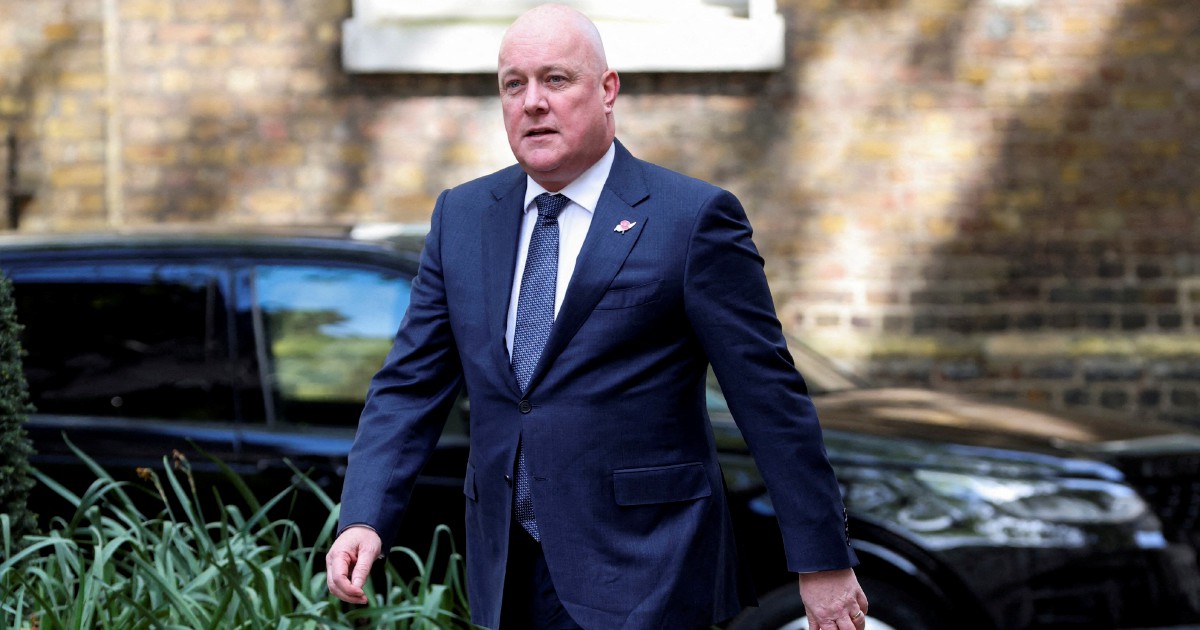
New Zealand Prime Minister Christopher Luxon consolidated his position within the ruling National Party on Wednesday after successfully defending against an internal leadership challenge, emerging with what he described as the "full support" of party members despite the political turbulence arriving barely three months before voters head to the polls. The timing of the challenge underscores mounting pressures within the coalition government and raises questions about the party's readiness heading into one of its most critical electoral contests in recent years.
Leadership challenges in New Zealand's Westminster-style parliament represent a significant political test, forcing a party to formally assess whether its leader retains sufficient backing to continue. For a sitting prime minister facing a general election in the near term, such contests carry particular weight, as they expose internal fractures and potentially signal voter dissatisfaction or policy disagreements within the governing coalition. Luxon's successful navigation of this hurdle demonstrates that despite any underlying discontent, National Party MPs and officials have concluded that changing leadership would be more damaging than maintaining continuity.
The challenge arrives at a moment when the National Party faces significant electoral pressure. Governing in coalition requires constant negotiation and compromise, often forcing decisions that displease various party factions. The timing—with an election mere weeks away—makes the internal contest especially destabilising, as it diverts media attention and political energy away from the government's policy platform and toward internal party management. This distraction typically benefits opposition parties, who can capitalise on visible divisions without immediately confronting their own internal challenges.
For New Zealand voters and observers across the region, such challenges reveal the mechanics of coalition governance and the delicate balance required to maintain parliamentary majorities. The National Party's decision to keep Luxon as leader signals confidence in his ability to lead the party into an election campaign, even if recent polling or internal discussions had prompted the challenge. This form of political accountability, while sometimes disruptive, remains a characteristic feature of Westminster democracies, where party members retain authority over their leader's continuation in office.
The election campaign itself will now proceed under clearer parameters, with Luxon's authority reaffirmed within his own party. This resolution removes a significant source of uncertainty that could have plagued National's election strategy, allowing the party to present a more unified front to voters. Opposition parties will likely seek to exploit any remaining divisions, but the formal resolution of the leadership question provides Luxon with renewed legitimacy to speak on behalf of his coalition partners and to set policy direction for the remainder of his government's term.
Challenges to sitting prime ministers remain relatively rare in Westminster systems, making Wednesday's outcome noteworthy not merely for the result but for what prompted the contest in the first place. Whether the challenge stemmed from policy disagreements, perceptions of electoral weakness, or personality conflicts within the leadership circle remains a matter for political analysts to assess. Regardless of the source, the fact that party members ultimately rallied behind Luxon suggests these concerns did not reach a critical threshold.
The regional implications warrant consideration as well. New Zealand's political stability matters to its partners in Southeast Asia and the broader Indo-Pacific, particularly given New Zealand's role in regional security arrangements and trade relationships. A government wracked by internal divisions or an uncertain leadership could struggle to maintain consistent foreign policy direction during an election cycle. Luxon's reaffirmed position provides some assurance that New Zealand will maintain coherent engagement with regional partners and allies during the campaign period.
Moving forward, Luxon will seek to translate this party-room victory into campaign momentum. The next three months will determine whether the National Party can convince voters to return the coalition to office or whether opposition parties have gained sufficient ground to force a change in government. The leadership challenge, now resolved, becomes a footnote to the real contest that awaits—the judgment of New Zealand's electorate at the ballot box.
For Luxon personally, surviving the challenge validates his strategic positioning within the National Party and demonstrates that he retains the confidence necessary to govern. Whether this internal political victory translates into electoral success remains the central question facing New Zealand politics as the campaign enters its decisive phase.

