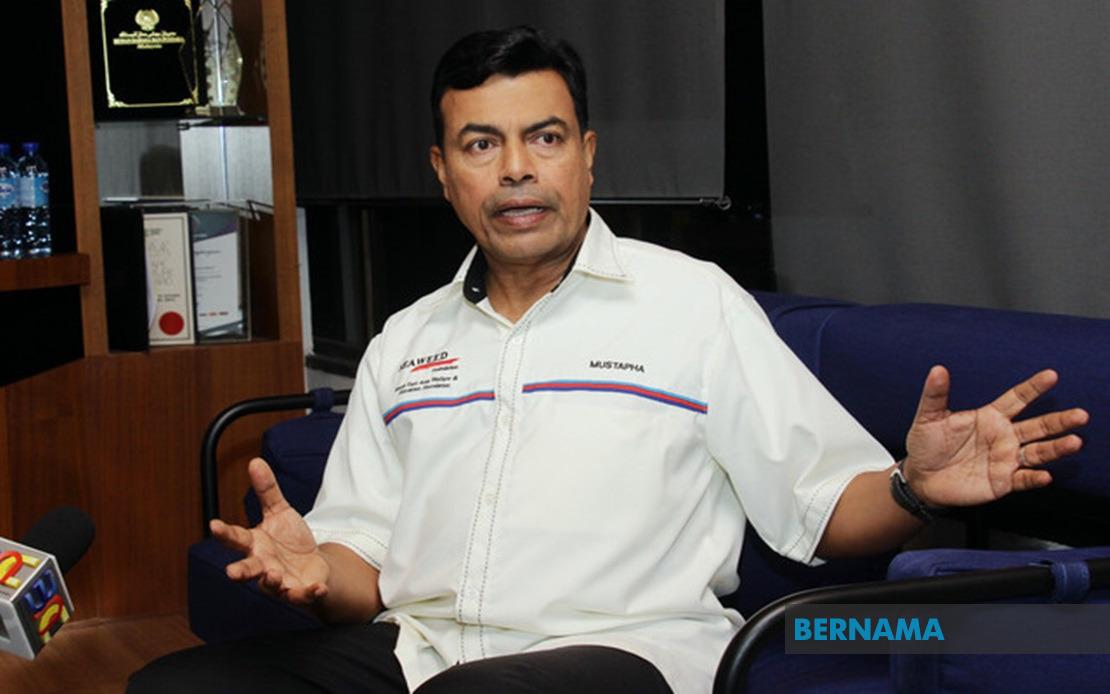
The Education Ministry should establish a specialised body tasked with monitoring and safeguarding student welfare and safety in schools, according to the South East Asia Welfare and Education Foundation (SEAWEED). Speaking in Semporna, the foundation's chairman Datuk Dr Mustapha Ahmad Marican advocated for this structural reform as a means to reduce the administrative burden on teachers while creating a more systematic approach to protecting young people within the school environment.
The proposed agency could operate either as a division within the Education Ministry or function as an independent entity with its own statutory powers and defined responsibilities. This flexibility would allow the government to select an implementation model suited to Malaysia's governance structure and budgetary considerations. According to Mustapha, such institutional arrangements are hardly novel in global educational contexts, with developed nations already maintaining comparable oversight mechanisms. The United Kingdom and Australia both maintain dedicated frameworks and agencies explicitly designed to monitor and enforce student safety standards across their school systems, demonstrating the viability and effectiveness of this approach.
One significant advantage of centralising student safety oversight is the replacement of ad-hoc, school-by-school approaches with coordinated, evidence-based protocols. Currently, individual schools manage discipline and safety largely within their own capacity, creating inconsistencies in how risks are identified and mitigated. A dedicated body would standardise these procedures across all educational institutions, ensuring that every student benefits from uniform protection standards regardless of their school's location or resources. This systematic monitoring framework would transcend reliance on individual school administrators' judgement and experience, establishing objective benchmarks for student welfare.
Schools across Malaysia face escalating challenges related to student behaviour and safety. Bullying incidents that result in physical injury represent a particularly acute concern, as they signal failure in the duty of care schools owe their pupils. Beyond the immediate trauma inflicted on victims, such incidents contribute to an erosion of the safe learning environment necessary for academic achievement. Gangsterism among younger students has also emerged as a troubling trend, with rival groups sometimes clashing within or near school premises. These phenomena demand responses beyond traditional disciplinary channels, requiring coordinated intervention strategies and preventive measures grounded in evidence about root causes and protective factors.
The psychological dimension of these safety issues cannot be overstated. Students who experience or witness bullying often suffer lasting emotional harm, including anxiety, depression, and diminished academic performance. The mental health impacts ripple through families and communities, yet schools often lack the specialised personnel and training to address these consequences comprehensively. A dedicated safety and welfare body could coordinate with mental health professionals, teachers, and parents to develop trauma-informed responses that treat bullying not merely as a disciplinary matter but as a health crisis requiring proper support structures.
Weapon-carrying among students represents another dimension of the safety challenge that demands urgent attention. The presence of knives and other sharp implements in schools creates an atmosphere of fear and raises the stakes of any confrontation or conflict. Mustapha specifically proposed implementing regular bag inspections as a preventive measure, designed to interdict dangerous items before they enter school grounds. Such screening procedures, common in many countries, serve as both a physical barrier against weapons and a symbolic reminder that schools are protected spaces where violence will not be tolerated. Combined with clear communication of consequences, routine inspections could discourage students from bringing weapons to school.
The call for comprehensive research into bullying patterns represents another critical element of SEAWEED's proposal. Data-driven understanding of when, where, and why bullying occurs would enable schools and authorities to design targeted interventions addressing specific vulnerability factors. Such research must also examine the mental health landscape among students, identifying which populations face heightened risk and what protective factors strengthen resilience. This evidence base would inform policy decisions and resource allocation, ensuring that interventions address genuine needs rather than relying on assumptions or anecdotal observations.
For Malaysia, establishing a dedicated student safety and welfare body would signal a policy pivot toward professionalising school safety management. Rather than treating these issues as peripheral to teaching and learning, the government would explicitly acknowledge that student wellbeing constitutes a core educational outcome deserving dedicated institutional attention and resources. This structural change would also provide teachers relief from the competing demands of classroom instruction, administrative duties, and disciplinary responsibilities, allowing them to focus more fully on their primary teaching function.
The broader Southeast Asian context makes this proposal particularly timely. As societies across the region experience rapid social change, urbanisation, and exposure to diverse cultural influences, schools must adapt their safety and welfare frameworks to address emerging challenges. Comparing experiences across ASEAN nations could generate valuable insights about which interventions prove most effective in comparable cultural and institutional contexts. A Malaysian agency could serve as a knowledge hub, documenting best practices and contributing to regional dialogue about student protection in educational settings.

